
Whether you’re launching a clothing brand, organizing a company event, promoting your business, or printing custom apparel for a sports team, understanding the average screen printing cost for small orders is essential. Many people assume screen printing is only affordable for bulk production, but that’s not always true.
At RiseDigitizing, we help apparel decorators, embroidery businesses, print shops, and clothing brands optimize their production with professional screen printing digitizing services that reduce errors and improve print quality. Understanding pricing helps you choose the most cost-effective printing method while maximizing your return on investment.
In this comprehensive guide, we’ll explain how screen printing pricing works, what influences the cost of small orders, how to reduce expenses, and whether screen printing is the right choice for your project.
Understanding Screen Printing Costs
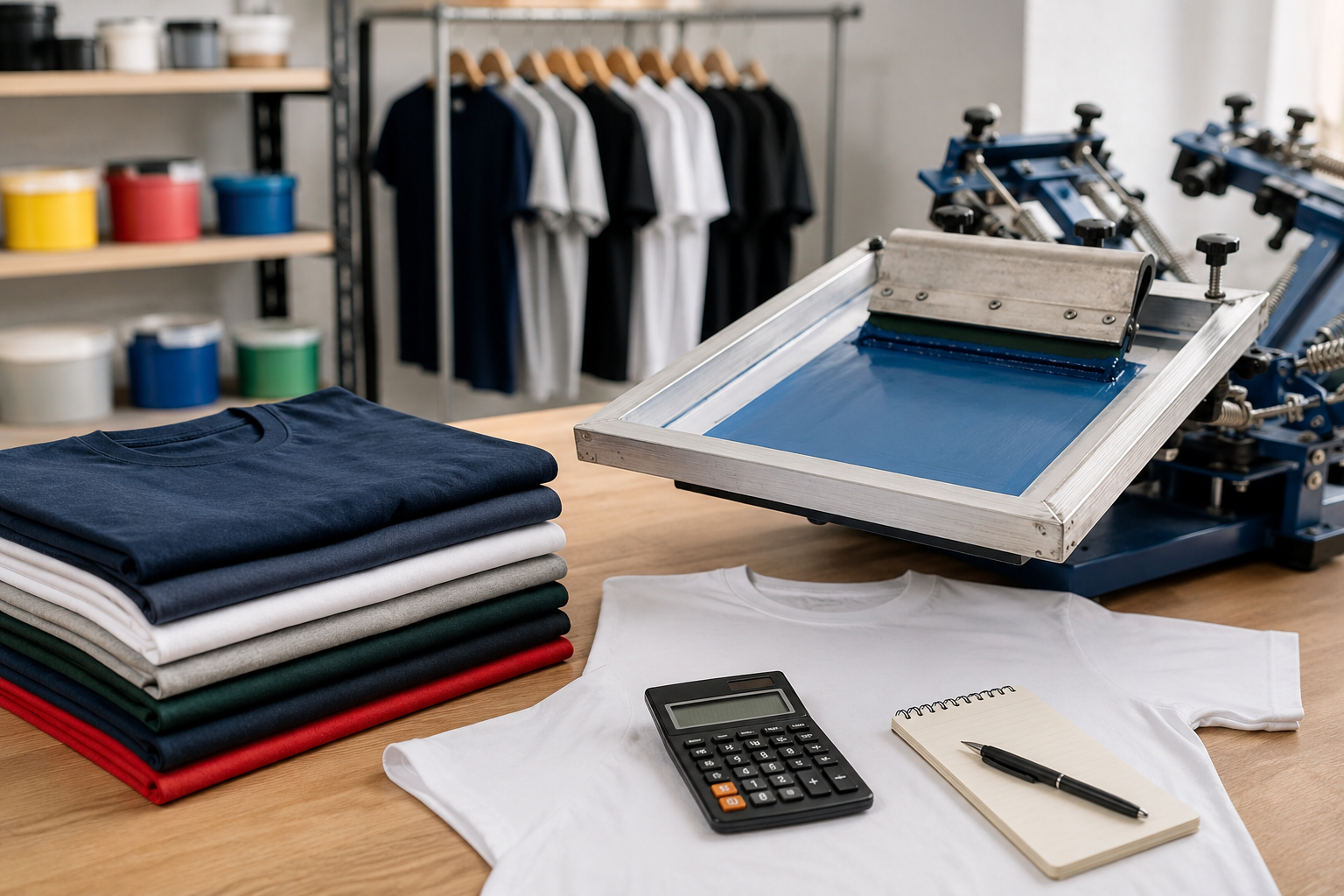
Screen printing uses mesh screens, ink, and a stencil to transfer artwork onto garments. Each color in a design requires its own screen, making setup one of the biggest expenses.
Unlike digital printing methods, screen printing has fixed setup costs regardless of order size. This means:
- Small orders usually have a higher price per shirt.
- Large orders become much cheaper per item.
- Simple designs cost significantly less than complex artwork.
Average Screen Printing Cost for Small Orders
The actual price varies depending on your location, printer, garment quality, and artwork complexity. However, these average ranges provide a realistic estimate.
| Order Size | Average Cost Per Shirt |
|---|---|
| 10 Shirts | $15–$30 |
| 20 Shirts | $12–$22 |
| 30 Shirts | $10–$18 |
| 50 Shirts | $8–$15 |
For example:
- 10 one-color T-shirts may cost around $18 each
- 20 two-color shirts may cost $15 each
- 50 one-color shirts often drop below $10 each
As the quantity increases, the setup cost gets distributed across more garments.
Why Small Orders Cost More
Many customers wonder why ordering just ten shirts can seem expensive.
The answer is simple.
Before printing begins, every order requires:
- Artwork preparation
- Screen creation
- Ink mixing
- Press setup
- Test prints
- Machine calibration
Whether you print 10 shirts or 500 shirts, these preparation steps remain nearly the same.
Factors That Affect Screen Printing Prices
1. Number of Colors
Every additional ink color requires another screen.
Example:
- One-color logo = Lowest cost
- Two-color design = Higher cost
- Five-color artwork = Premium pricing
Simple logos are always more economical.
2. Print Location
Printing on multiple garment areas increases labor.
Common print placements include:
- Front chest
- Full front
- Back
- Sleeve
- Neck label
Every additional location increases production time and cost.
3. Garment Type
Not all apparel costs the same.
Examples include:
- Cotton T-shirts
- Hoodies
- Sweatshirts
- Polo shirts
- Performance wear
- Jackets
Premium garments naturally increase the overall order price.
4. Artwork Complexity
Highly detailed designs often require:
- Additional screens
- Specialty inks
- Fine registration
- More setup time
Professional artwork preparation helps reduce production issues.
This is where RiseDigitizing helps clients prepare clean, production-ready files for screen printing.
5. Ink Type
Specialty inks cost more than standard plastisol.
Popular ink options include:
- Water-based ink
- Metallic ink
- Puff ink
- Reflective ink
- Glow-in-the-dark ink
- High-density ink
- Soft-hand ink
Special effects create premium apparel but increase costs.
6. Number of Shirts
This is the biggest pricing factor.
Example:
10 shirts:
- Higher setup cost per garment
100 shirts:
- Much lower cost per garment
Ordering slightly more pieces often saves money overall.
Typical Setup Fees
Many printers charge separate setup fees.
Average setup charges include:
- One-color screen: $20–$40
- Two-color design: $40–$80
- Four-color design: $80–$160
Some companies waive setup fees on larger orders.
Is Screen Printing Worth It for Small Orders?
Yes—especially when:
- You need vibrant colors
- You want long-lasting prints
- Your design uses only one or two colors
- You plan to reorder later
However, if you only need five or six shirts, other printing methods like DTG may sometimes be more economical.
Ways to Reduce Screen Printing Costs
Use Fewer Colors
Every removed color reduces:
- Setup time
- Screen creation
- Registration work
- Ink costs
Minimalist artwork often produces excellent results while saving money.
Order More Items
Increasing an order from:
10 shirts → 24 shirts
can dramatically lower the price per garment.
Keep Artwork Simple
Avoid unnecessary:
- Gradients
- Tiny details
- Excessive colors
Clean artwork improves print quality while lowering production expenses.
Choose Standard Garments
Basic cotton T-shirts are usually the most affordable option.
Premium fabrics increase the total order cost.
Prepare Production-Ready Artwork
High-quality vector artwork saves printers valuable time.
RiseDigitizing specializes in preparing artwork that minimizes production errors and speeds up the screen printing process.
Screen Printing vs DTG for Small Orders
| Feature | Screen Printing | DTG Printing |
|---|---|---|
| Setup Cost | High | Low |
| Best for Bulk | Excellent | Fair |
| Best for Small Orders | Good | Excellent |
| Durability | Outstanding | Good |
| Color Vibrancy | Excellent | Very Good |
| Cost Per Shirt (Large Orders) | Low | Higher |
If your design has one or two colors and you expect future reorders, screen printing is often the better long-term investment.
Industries That Frequently Use Small Batch Screen Printing
Many businesses regularly place small apparel orders, including:
- Startup clothing brands
- Restaurants
- Coffee shops
- Construction companies
- Schools
- Churches
- Gyms
- Sports teams
- Marketing agencies
- Event organizers
These organizations often reorder once inventory runs low.
Why Artwork Quality Matters
Poor artwork creates numerous production problems:
- Blurry edges
- Misaligned colors
- Ink bleeding
- Registration issues
- Longer setup times
Professional artwork preparation ensures smoother printing and better final results.
RiseDigitizing helps businesses produce print-ready files that improve efficiency while reducing costly mistakes.
Why Choose RiseDigitizing?
RiseDigitizing supports apparel decorators, custom clothing brands, promotional product companies, and print shops with reliable artwork solutions.
Our advantages include:
- Professional screen printing artwork preparation
- Fast turnaround times
- Affordable pricing
- Experienced design specialists
- High-quality production files
- Excellent customer support
- Consistent results for every order
Whether you’re printing ten shirts or thousands, properly prepared artwork helps ensure professional-quality results.
Internal Linking Opportunities
To strengthen your website’s SEO and improve user navigation, link this article to related pages such as:
- Screen Printing Digitizing Services
- Custom Vector Art Conversion
- Logo Digitizing Services
- Embroidery Digitizing Services
- Left Chest Logo Digitizing
- Cap Digitizing Services
- Jacket Back Digitizing
- Puff Embroidery Digitizing
- Appliqué Digitizing
- Custom Patch Digitizing
- Pricing Page
- Free Quote Page
- Blog: Screen Printing vs Embroidery
- Blog: Best File Formats for Screen Printing
- Blog: Vector Art vs Raster Images
- Blog: How Screen Printing Works
- Contact Us
Frequently Asked Questions
What is the average screen printing cost for 10 shirts?
Most print shops charge between $15 and $30 per shirt, depending on garment quality, artwork complexity, and the number of ink colors.
Why are small screen printing orders more expensive?
Small orders still require the same setup process as large orders, including screen creation, artwork preparation, and machine setup.
Does adding more colors increase the cost?
Yes. Every additional color requires a separate screen, increasing both setup time and production costs.
Can I lower my screen printing costs?
Yes. Simplifying your artwork, using fewer ink colors, ordering more garments, and supplying production-ready artwork can significantly reduce costs.
Does RiseDigitizing offer screen printing services?
RiseDigitizing specializes in screen printing digitizing and artwork preparation that helps printers achieve cleaner, more accurate, and efficient production results.
Final Thoughts
The average screen printing cost for small orders typically ranges from $15 to $30 per garment, depending on quantity, colors, garment type, and artwork complexity. While setup costs make smaller runs more expensive on a per-shirt basis, screen printing remains one of the most durable and professional printing methods available.
Choosing simple designs, ordering slightly larger quantities, and using professionally prepared artwork can significantly reduce costs while improving print quality. At RiseDigitizing, we provide expert screen printing digitizing and artwork preparation services that help businesses, apparel brands, and print shops achieve consistent, high-quality results with every order.
Related Posts