
Professional Custom Embroidery Digitizing Services
Custom Files for Your Embroidery Machines
Get manual embroidery digitizing services at Rise Digitizing. We deliver custom files in 3 hours in all major formats, with unlimited edits until you are satisfied. We also provide 24/7 customer support across the USA.
What you’ll get at Rise Digitizing after placing the order:
- Fast Turnaround (Files delivered in 1-3 hours)
- 24/7 Live Customer Support
- Manual Digitizing Files
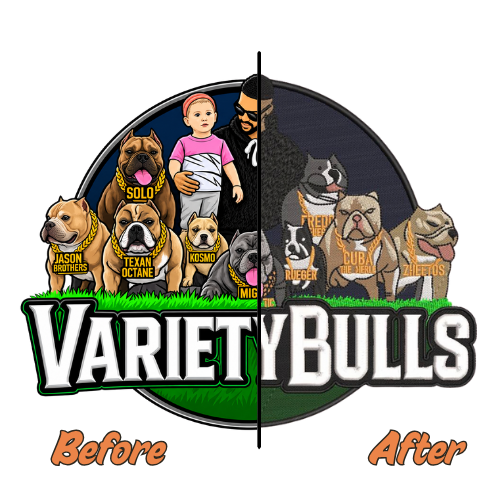
Why Choose Rise Digitizing for Embroidery Digitizing Services?
Fast Turnaround
Free Unlimited Revisions
24/7 Customer Support
Manual Embroidery Digitizing Services Started at $9
What is Included in Your Order
We digitize your design with care, whether it’s an appliqué, 3D puff, a left chest logo, a cap, a jacket back, or a patch. Size, fabric, placement, and garment type are considered while creating your digitizing file.
We always provide a preview of the digitizing file before delivery so that you are satisfied with the file; if not, for any reason, we will provide you with free edits until you’re satisfied. Our priority is always to satisfy our valued customers.
You can expect the following from Rise Digitizing after placing your order:
- We digitize your file with care.
- We provide a preview of the file before delivery.
Our Custom Embroidery Digitizing Services and Specialties
Different placements require different digitizing strategies. We create custom embroidery files around the job you plan to run, rather than forcing every logo into the same settings.
Logo Digitizing
Convert business logos, brand marks, emblems and artwork into clean stitch files with readable shapes, controlled details and an efficient sewing order.
3D Puff Digitizing
3D Puff Digitizing is widely used for custom hat digitizing. It makes the design prominent which stands out even from a distance.
Cap/Hat Digitizing
Transform your caps and hats into masterpieces with our expert cap digitizing services. We bring your vision to life with precision and flair.
Image to Embroidery
Doesn’t matter whether your logo is a jpeg, gif, BMP, tiff, pdf, eps, we can design your artwork exactly how your submitted artwork looked like.
Jacket-Back Digitizing
Prepare larger, more detailed artwork with organized color sequences, balanced fills and pathing suited to broad embroidery areas.
Appliqué Digitizing
Set placement, tack-down and cover stitches in the correct sequence to combine fabric pieces with secure embroidered edges.
How it works
We received your order along with all relevant details.
You'll get confirmation email after we review your submission.
Our specialists will digitize your files with expertise.
After quality check we'll send you all required files via email.
We look forward to receiving your feedback and experience.
Helpful Guides
Quick links to guides that can help you with your embroidery projects.
Embroidery Digitizing Services Built for Real Production
A strong embroidered product begins long before the needle touches the garment. The quality of the stitch file influences how clearly the logo reads, how smoothly the machine runs and how consistently the design can be repeated across an order.
Rise Digitizing provides custom embroidery digitizing services for U.S. embroidery shops, apparel decorators, promotional product companies, uniform suppliers, small businesses, online sellers and machine owners who need artwork converted into practical embroidery instructions.
Embroidery digitizing service is not the same as changing an image extension. A JPG, PNG, PDF, AI or EPS file describes what the artwork looks like. An embroidery file must describe how a machine should build that artwork with thread. It contains a sequence of stitches, color changes, trims and movement commands arranged for a specific finished size and production method. That translation requires technical choices that cannot be judged by appearance alone.
Our goal is to create a file that respects both the visual identity of the design and the physical behavior of embroidery. That means studying the artwork, choosing which details should be sewn first, selecting suitable stitch types, controlling coverage and planning how one object connects to the next. A file that looks accurate on screen but ignores fabric movement, placement or machine behavior may still create gaps, distortion, thread breaks, bulky overlaps or unreadable lettering. Professional embroidery digitizing services are valuable because they address those risks before production begins.
What a Professional Digitizer Decides
Every embroidered object needs a purpose-built stitch plan. A digitizer decides whether an area should use running stitches, satin stitches, fill stitches or a specialized technique. The choice depends on the object’s width, shape, direction and role in the design. Narrow columns may work well as satin stitches, while broader areas generally require fill patterns. Fine lines may need running stitches, but a line that is too delicate for the selected fabric may need to be widened or simplified.
Sewing order is equally important. Objects are arranged so the design develops in a stable and logical sequence. Good pathing can limit unnecessary jumps and trims, reduce excessive color changes and help the machine travel through the design efficiently. The shortest possible sequence is not always the best sequence; the digitizer must also consider registration, overlap, fabric stability and the final visual result.
Underlay creates a foundation beneath visible stitches. Depending on the object and material, underlay can stabilize the fabric, lift top stitches away from the surface, define an edge or support consistent coverage. The same underlay settings should not be applied automatically to every object. A wide fill on fleece, a satin border on a patch and small lettering on a polo each present different needs.
Density controls how closely stitches are placed, but more density does not automatically mean better quality. Excessive stitching can make an area stiff, cause thread buildup, increase needle penetrations and place unnecessary stress on the garment. Density that is too light may expose the fabric or make colors appear weak. A professional file balances coverage with the thread, material, size and effect required.
Pull compensation helps account for the way stitches pull inward as they form. Without enough compensation, borders may appear thin, columns may narrow and adjacent colors may develop gaps. Too much compensation can make shapes look swollen or create unwanted overlap. These settings must work together with hooping, stabilizer, machine tension and fabric behavior. Digitizing can reduce production risk, but it cannot replace correct machine setup.
The Same Logo May Need More Than One File
One of the most common mistakes in embroidery production is using one file at every size and placement. A logo digitized for a four-inch left-chest position may not remain readable if it is reduced for a cap side or sleeve. Small text can become too narrow, gaps can disappear and fine details can merge. Enlarging a small file can also create weak coverage or oversized stitch lengths if the design is not rebuilt appropriately.
Placement changes the sewing environment as well. A flat left-chest garment can usually be hooped and stabilized differently from a structured cap. Cap embroidery must account for curvature, center seams, frame movement and the available sewing field. Many cap designs benefit from center-out sequencing, and some elements need to be reshaped or reordered for stable production. A jacket back allows greater scale but may introduce large filled areas, long runs and more potential for registration movement. A sleeve or pocket can restrict hoop access and usable dimensions.
Fabric matters just as much as placement. Stable woven workwear behaves differently from stretch performance fabric. Fleece, towels and other textured materials can allow stitches to sink into the surface, while delicate or lightweight textiles can show puckering more easily. Denim may support bold stitching, but seams and thickness changes still affect the job. Tell the digitizer the actual material instead of using a general word such as “shirt” whenever possible.
If you plan to use one logo on polos, hats, jackets and patches, request placement-specific versions. This may cost more than receiving a single generic file, but it can protect blank garments, operator time and the appearance of the finished brand. Custom embroidery digitizing services should fit the intended use, not simply produce the largest number of file extensions.
Types of Custom Embroidery Digitizing Services
Rise Digitizing supports common commercial and personal embroidery requirements. Logo digitizing is ideal for brand marks, company names, team emblems, school graphics and promotional artwork. The digitizer identifies the elements that must remain recognizable, then adapts lines, shapes and lettering for the requested size. If the original includes tiny details, gradients, shadows or photographic effects, embroidery-friendly simplification may be necessary.
Left-chest digitizing focuses on compact readability. This placement is widely used for polos, uniforms, button-down shirts, scrubs, work jackets and branded apparel. Text spacing, minimum column widths and the relationship between an icon and wordmark require careful attention. A successful small logo keeps its identity without trying to reproduce detail that thread cannot hold at that scale.
Cap and hat digitizing prepares artwork for curved headwear. The cap type, panel construction, center seam and embroidery field can change the recommended approach. Structured caps often require firm support and thoughtful sequencing. Side-cap artwork may need a smaller, simplified version. For 3D puff embroidery, eligible shapes require enough width and coverage to hold the raised effect, while small details and thin lines may be better stitched flat.
Jacket-back digitizing handles larger artwork such as club emblems, mascots, detailed illustrations and statement graphics. Large designs can support more detail, but they also require organized pathing, balanced fills and control over long production runs. Stitch count should be a result of appropriate construction, not treated as the only measure of value or quality.
Patch digitizing combines the interior design with an edge strategy that fits the production method. The border may be prepared for a merrow-style workflow, satin edge or heat-cut process. The patch shape, base material and finishing equipment should be shared before digitizing. Appliqué digitizing adds another sequence: placement stitches identify where the fabric goes, tack-down stitches secure it and cover stitches finish the edge. Clear color stops help the operator know when to place or trim material.
Other requests can include sleeve designs, monograms, name drops, small lettering, towel embroidery, sequin-ready planning or design resizing. Not every effect is suitable for every machine, hoop or material. The best approach is to share the desired result and the production setup so the digitizer can confirm feasibility before building the file.
Embroidery File Formats and What You Receive
Embroidery machines use different file formats. DST is common in commercial production, while formats such as PES, JEF, EXP, VP3, XXX and HUS are associated with different machine families and software workflows. The format alone does not determine the quality of a design. A poorly planned file remains poor after conversion, and converting between formats cannot automatically correct density, sequence, underlay or small-detail problems.
When ordering, provide the exact format requested by your machine or production software. If you are unsure, share the machine brand and model. Also confirm whether you need a color chart, production worksheet or image preview. Thread color numbers may differ between brands, so the on-screen colors should be treated as a production guide rather than a guaranteed physical match unless exact thread information has been agreed.
Keep the source artwork, approval preview and final machine file organized under the customer or job name. When a file has been tested successfully, record the garment, stabilizer, thread, needle, hoop and machine settings used. This production history can save time on repeat orders and helps separate a file issue from a change in materials or machine setup.
Online Service for “Embroidery Digitizing Services Near Me” Searches
When people search for embroidery digitizing services near me, they are often looking for fast communication, dependable support and a file they can use without shipping artwork or visiting a store. Digitizing is a digital service, so the entire workflow can be completed online. You can upload the artwork from anywhere in the United States, receive a quote, review a preview and download the finished file directly.
This online process is useful for businesses working across time zones or managing urgent production. A decorator in New York, Texas, California, Florida or another U.S. state can send the same order information: artwork, size, fabric, placement, format and deadline. The quality of the result depends on the clarity of the brief and the expertise applied to the file, not the physical distance between the customer and digitizer.
A local-feeling experience still requires responsive service. You should know how to submit changes, what information is needed, which turnaround applies and how the final files will be delivered. Rise Digitizing provides online custom embroidery digitizing services in USA markets while supporting customers through a digital quote and delivery process. This makes it possible to obtain production-ready files even when an experienced digitizer is not available nearby.
Who Benefits from Custom Digitizing Services?
Embroidery shops need repeatable files that can move through production with fewer avoidable interruptions. Apparel decorators often handle different garment types for the same customer, so placement-specific versions and organized naming are especially valuable. Promotional product companies may coordinate logos across apparel, bags, hats and accessories, each with distinct size and material requirements.
Uniform suppliers depend on readable company names, department text and emblems across shirts, jackets, caps and workwear. Sports teams and schools may need mascot artwork, player names, numbers and patches that remain consistent across sizes. Brands and online sellers need their visual identity preserved while meeting the practical limits of thread. Screen printers expanding into embroidery benefit from guidance because artwork prepared for ink may contain gradients, fine lines or tiny details that do not translate directly.
Home embroiderers can also use professional embroidery digitizing services when a personal logo, drawing or gift design is beyond the capabilities of lettering tools or auto-digitizing software. Whether the customer operates one home machine or a multi-head commercial floor, the order still needs correct dimensions, format and material information. Production scale changes the cost of a mistake, but it does not change the basic need for a well-planned file.
How Pricing for Embroidery Digitizing Services Is Determined
Affordable does not have to mean generic. A fair quote considers the time and judgment required to prepare the design. Complexity, finished size, number of objects, small lettering, special effects, artwork quality, placement and requested versions can all affect the scope. A simple one-color mark may be quicker to prepare than a detailed mascot with multiple fills, borders and color changes, even if the two designs occupy a similar area.
Be cautious about comparing providers only by advertised starting price or estimated stitch count. Stitch count can influence machine run time, but it is not a complete measure of digitizing effort or file quality. A skilled digitizer may reduce unnecessary stitches through better pathing, or add essential foundation stitching that improves stability. The meaningful question is whether the quoted file is designed for your actual size, garment and placement and whether the revision terms are clear.
Before approving a quote, confirm what is included: requested format, preview, standard turnaround, revision scope and any additional versions. If you later change the logo, finished dimensions, placement or technique, the file may require substantial rebuilding. Clear scope protects both the customer and the digitizer and makes affordable embroidery digitizing services more predictable.
Turnaround Time Without Rushing the Production Details
Fast delivery is useful when a customer approval, event or production slot is approaching. However, the order must contain enough information for the digitizer to work accurately. Missing dimensions, an unknown placement or unclear artwork can create more delay than the digitizing itself. Send complete details at the beginning and respond quickly if the team asks for clarification.
Turnaround should be confirmed for the individual design. Standard logos may be completed faster than large jacket backs, complex patches, multi-placement packages or files requiring artwork cleanup. An urgent deadline should be disclosed before payment or approval so the correct service option can be confirmed. If a sew-out and physical approval are required, leave time for machine testing and any adjustments after the digital file is delivered.
For ongoing orders, establish a consistent brief with your preferred units, thread chart, common garment types, naming rules and required output formats. This reduces repetitive questions and helps both teams manage jobs efficiently. Speed is most valuable when it is supported by accurate information and a repeatable workflow.
How to Prepare Artwork and Order Instructions
Start with the clearest artwork available. Vector files are helpful for clean edges and separate objects, but a high-resolution raster image can also work. Avoid screenshots with compression, photographs taken at an angle or images where small text cannot be read. If the only source is low quality, provide a reference link, brand guide or typed spelling so the artwork can be interpreted correctly.
State the exact finished width or height and the unit of measurement. Do not rely only on descriptions such as “left-chest size” because garment sizes and customer preferences differ. Identify the placement and material. A useful note might say: 3.5 inches wide, left chest, polyester polo, DST format. For a cap, note whether it is structured or unstructured and whether the design is for the front, side or back.
List required colors in order and provide thread brand or color numbers when exact matching matters. Identify any elements that must not be changed. If simplification is allowed, say which details are less important. Check all spelling, dates and numbers before approval. A digitizer can construct the stitches accurately and still reproduce a spelling error that existed in the submitted artwork.
Mention the machine format, hoop limitation and deadline. If the design is part of a set, explain which versions are needed. A left-chest, cap front and jacket back should be treated as separate production uses. Complete information supports more accurate quoting, better first-pass results and faster approval.
Testing the File Before a Full Production Run
A digital preview is valuable for checking layout, sequence and obvious construction issues, but it cannot reproduce every variable in physical embroidery. The final result also depends on hooping, stabilizer, needle selection, thread, bobbin, tension, machine maintenance, speed and fabric. That is why a test sew-out remains an essential production step.
Use the same or closely comparable material planned for the order. Hoop the fabric and stabilizer correctly, confirm the design orientation and watch the first run. Evaluate registration, small text, border alignment, coverage, puckering and any areas with excessive buildup. Check the back as well as the front. If a problem appears, document it with a clear photograph and describe the fabric, size and location of the issue. Specific feedback allows the digitizer to distinguish between a file adjustment and a production setup problem.
Do not begin a large run on expensive blanks immediately after receiving a new file. Approving one representative test can prevent repeated defects across dozens of garments. Once the file is accepted, retain the tested version and avoid silently resizing it in machine software beyond a safe range. Request a new size version when the change could affect stitch construction.
How to Evaluate Professional Embroidery Digitizing Services
A provider’s portfolio should show actual embroidery, not only software screenshots. Look for clean small lettering, controlled edges, sensible coverage and examples across different fabrics and placements. Cap, 3D puff, patch and appliqué examples demonstrate different skills from ordinary flat embroidery. When possible, compare the original artwork with the stitch-out and examine whether the important shapes remain recognizable.
Review the ordering process as carefully as the gallery. A professional provider asks for size, placement, fabric and format because those details affect the file. Clear turnaround and revision policies reduce confusion. Responsive support matters when production is waiting, but useful communication should also be technically informed. A quick answer is not enough if it ignores the machine or garment requirements.
Avoid claims that one setting works for every design or that a file will stitch identically on every fabric and machine without testing. Embroidery is a combined system: the digitized file, material, stabilizer, thread, needle, hooping and equipment all contribute to the result. A trustworthy partner explains this relationship while taking responsibility for the stitch-planning decisions within the file.
Finally, consider consistency. One excellent sample does not prove that recurring orders will be handled the same way. For business use, establish naming, proofing and revision procedures and test the provider with a representative design. Reliable custom digitizing services should support repeat production, not only a one-time attractive preview.
Why Choose Rise Digitizing for Embroidery Digitizing Services in the USA?
Rise Digitizing focuses on the details that connect artwork to production. Each order begins with the requested design, finished dimensions, garment or fabric, placement and machine format. The file is then planned around the job instead of being treated as a generic image conversion. This approach supports logos, caps, left-chest designs, jacket backs, sleeves, patches, appliqué, 3D puff and other common embroidery applications.
Our service is designed for both experienced embroidery businesses and customers ordering their first custom file. Commercial decorators can provide technical production notes, while newer machine owners can share the machine model and intended project for guidance. Digital delivery makes the service accessible throughout the United States, and the quote process allows customers to understand the scope before work begins.
Most importantly, we encourage real-world testing. The preview helps confirm the design, while a sew-out verifies how the file works with your material and setup. If an adjustment is needed within the approved scope, clear photos and production information help the team review it. That combination of custom planning, accessible support and practical testing is what turns a digital file into a dependable production asset.
Send your artwork to Rise Digitizing for manual digitizing. Include the size, material, placement, machine format and deadline, and let our team prepare a stitch-ready file for your next project.
Frequently Asked Questions
Embroidery digitizing is the process of converting artwork into a stitch file that embroidery machines can read. This digital file guides the machine to create precise and intricate embroidery designs.
Absolutely! We welcome custom designs. Simply provide your artwork, and our skilled digitizers will transform it into a format suitable for embroidery.
Commonly accepted formats include AI, EPS, PDF, and high-resolution JPEG or PNG files. Vector formats are preferred for optimal results in digitizing.
Turnaround time varies based on design complexity and order volume. We strive for efficiency and timely delivery without compromising on quality.
While the digitizing process remains similar, larger or more intricate designs may require additional time and expertise. Our pricing is competitive and accommodates projects of all sizes.
Ready to Turn Your Artwork Into a Stitch-Ready File?
Whether you need one left-chest logo or ongoing production support, Rise Digitizing is ready to help you move from artwork to machine with confidence.