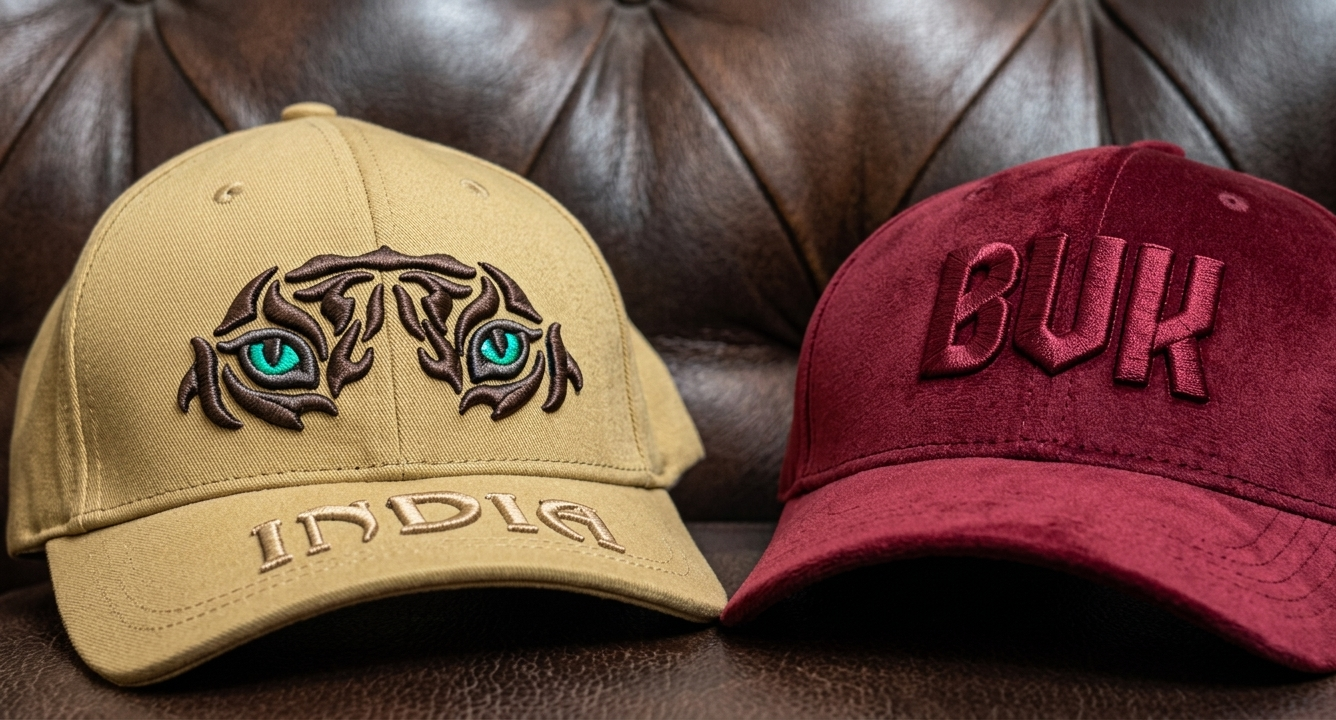

Puff embroidery designs have become a popular choice for brands, creators, and embroidery enthusiasts who want a bold, raised look. This technique uses foam placed under stitches to create a 3D effect that instantly adds depth and texture to any design. Whether it’s caps, jackets, or logos, puff embroidery brings a premium feel that flat stitching simply cannot match.
In this guide, you’ll learn how puff embroidery works, where to use it, its benefits, limitations, and tips to get the best results. We’ll also cover free 3D puff embroidery designs and how to choose the right patterns for your projects.
What Are Puff Embroidery Designs?
Puff embroidery designs are created by placing a layer of foam under the top stitches. As the machine stitches over it, the foam lifts the thread, creating a raised or “puffed” appearance. This method is commonly used for bold lettering, logos, and simple shapes.
Unlike flat embroidery, this technique focuses more on height and structure rather than fine detail.
How 3D Puff Embroidery Works
The process is simple but requires precision:
- A foam layer is placed on the fabric
- The embroidery machine stitches over the foam
- Excess foam is removed after stitching
- The final result is a clean, raised design
This technique works best with satin stitches and bold outlines that fully cover the foam.
Where to Use Puff Embroidery Designs
Puff embroidery is widely used across different products due to its premium look:
- Caps and hats (most common use)
- Hoodies and sweatshirts
- Jackets and uniforms
- Sportswear branding
- Promotional merchandise
Designs with simple shapes and thick lettering perform best on these items.
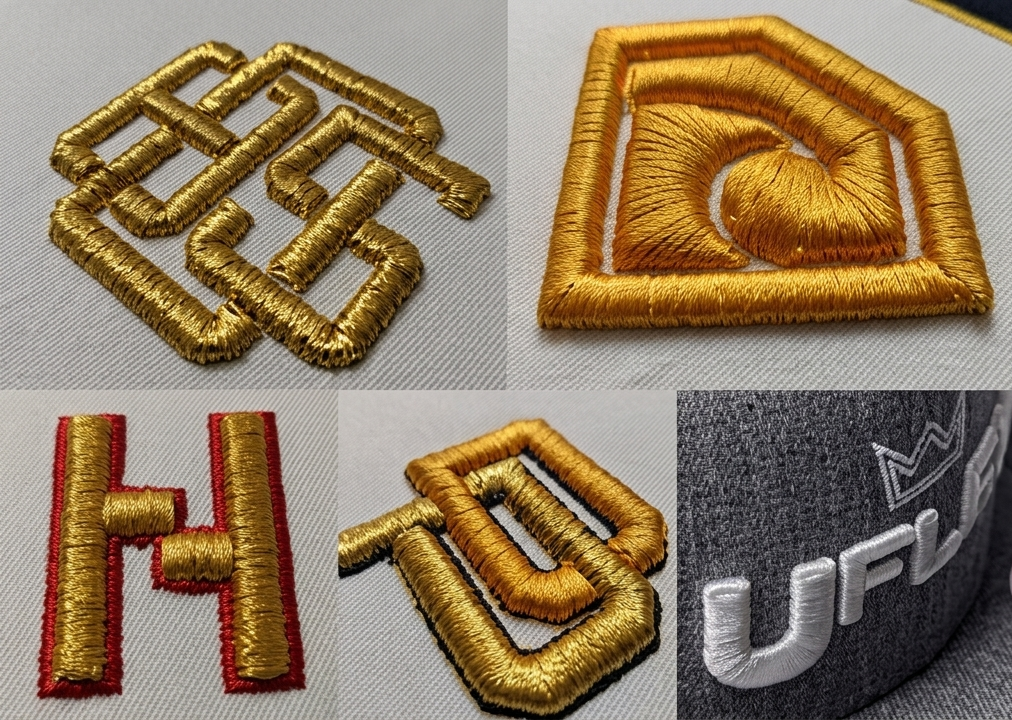
Table: Puff Embroidery vs Flat Embroidery
| Feature | Puff Embroidery Designs | Flat Embroidery |
| Appearance | Raised, 3D look | Smooth, flat surface |
| Best For | Logos, bold text | Detailed designs |
| Texture | Thick and elevated | Light and even |
| Durability | Strong but foam-dependent | Highly durable |
| Design Complexity | Limited detail | High detail possible |
| Popular Products | Caps, jackets | Shirts, bags |
Benefits of Puff Embroidery Designs
1. Premium Look
The raised effect gives designs a high-end, professional appearance.
2. Strong Visual Impact
3D puff embroidery designs stand out from a distance, making them ideal for branding.
3. Long-Lasting Appeal
When done correctly, puff embroidery maintains its shape and structure over time.
4. Perfect for Bold Designs
Large fonts and simple logos look clean and attractive with this technique.
Drawbacks of Puff Embroidery
1. Not Suitable for Fine Details
Small text or intricate patterns do not work well.
2. Requires Skilled Setup
Incorrect foam placement or stitch settings can ruin the design.
3. Limited Fabric Compatibility
Works best on thicker materials like caps and heavy garments.
Tips for Better Results
- Use bold and simple designs
- Choose high-quality foam
- Adjust stitch density carefully
- Avoid very small lettering
- Test designs before full production
These steps ensure your puff embroidery designs look clean and professional.
Free 3D Puff Embroidery Designs
If you’re starting out, exploring free 3D puff embroidery designs can help you practice without extra cost. Look for patterns with:
- Thick outlines
- Simple shapes
- Large lettering
- Minimal detail
These designs are easier to stitch and give better results for beginners.
Choosing the Right 3D Puff Embroidery Designs
Not every design is suitable for puff embroidery. The best designs usually include:
- Bold fonts
- Clean edges
- Consistent stitch coverage
- Minimal small elements
Choosing the right design is key to achieving a neat and raised finish.
FAQs
1. What is puff embroidery used for?
It is mainly used for caps, logos, and bold designs that need a raised 3D look.
2. Can puff embroidery be done on all fabrics?
No, it works best on thicker materials like hats and jackets.
3. Are puff embroidery designs durable?
Yes, when stitched properly, they last a long time without losing shape.
4. Is puff embroidery expensive?
It can cost more than flat embroidery due to foam and setup requirements.
5. What type of designs work best for puff embroidery?
Simple, bold designs with thick lines and large text work best.
6. Can beginners try 3D puff embroidery designs?
Yes, starting with simple and free designs is a good way to learn.
7. What thread is best for puff embroidery?
Strong polyester thread is commonly used for better durability.
8. Why does foam show through sometimes?
This happens when stitch density is too low or coverage is incomplete.
Related Posts