
In the world of custom apparel and branding, vector embroidery has become a preferred choice for businesses and designers who demand precision, consistency, and scalability. Unlike traditional embroidery methods, vector-based designs offer cleaner lines, better detailing, and easier adaptability across different fabric types and sizes. Whether you’re working on corporate uniforms, promotional products, or custom merchandise, understanding how vector embroidery works can significantly improve your results.
What is Vector Embroidery?
Vector embroidery refers to the process of converting artwork into a format that embroidery machines can read while maintaining sharp edges and smooth curves. These designs are created using mathematical paths instead of pixels, which allows them to be resized without losing quality.
This method ensures that logos, patterns, and text remain crisp and professional, even when scaled for different applications. It is widely used in branding where consistency is critical.
How Vector Embroidery Works
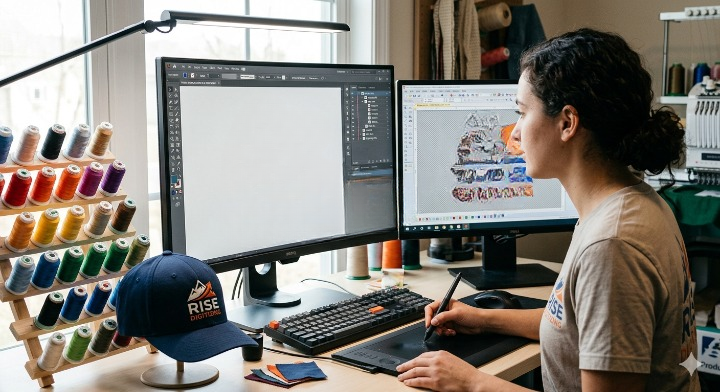
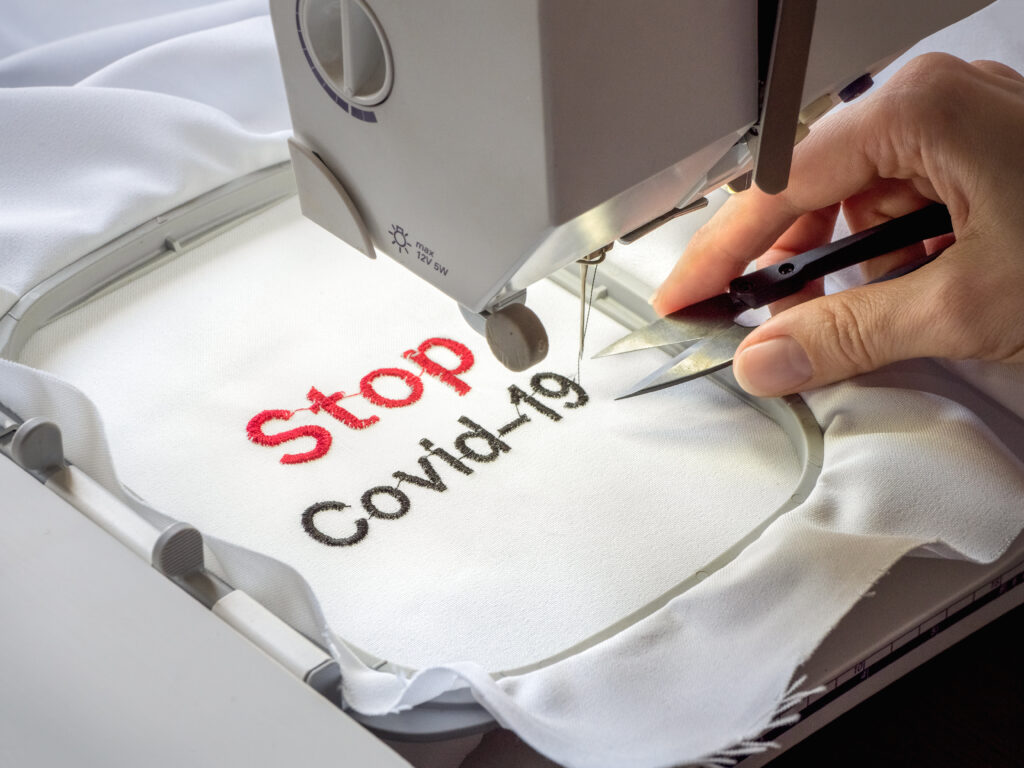
The process begins with a digital design, usually created in vector format. This design is then converted using vector embroidery software, which translates the artwork into stitch patterns. The software determines stitch type, direction, density, and sequence to ensure the final output looks accurate on fabric.
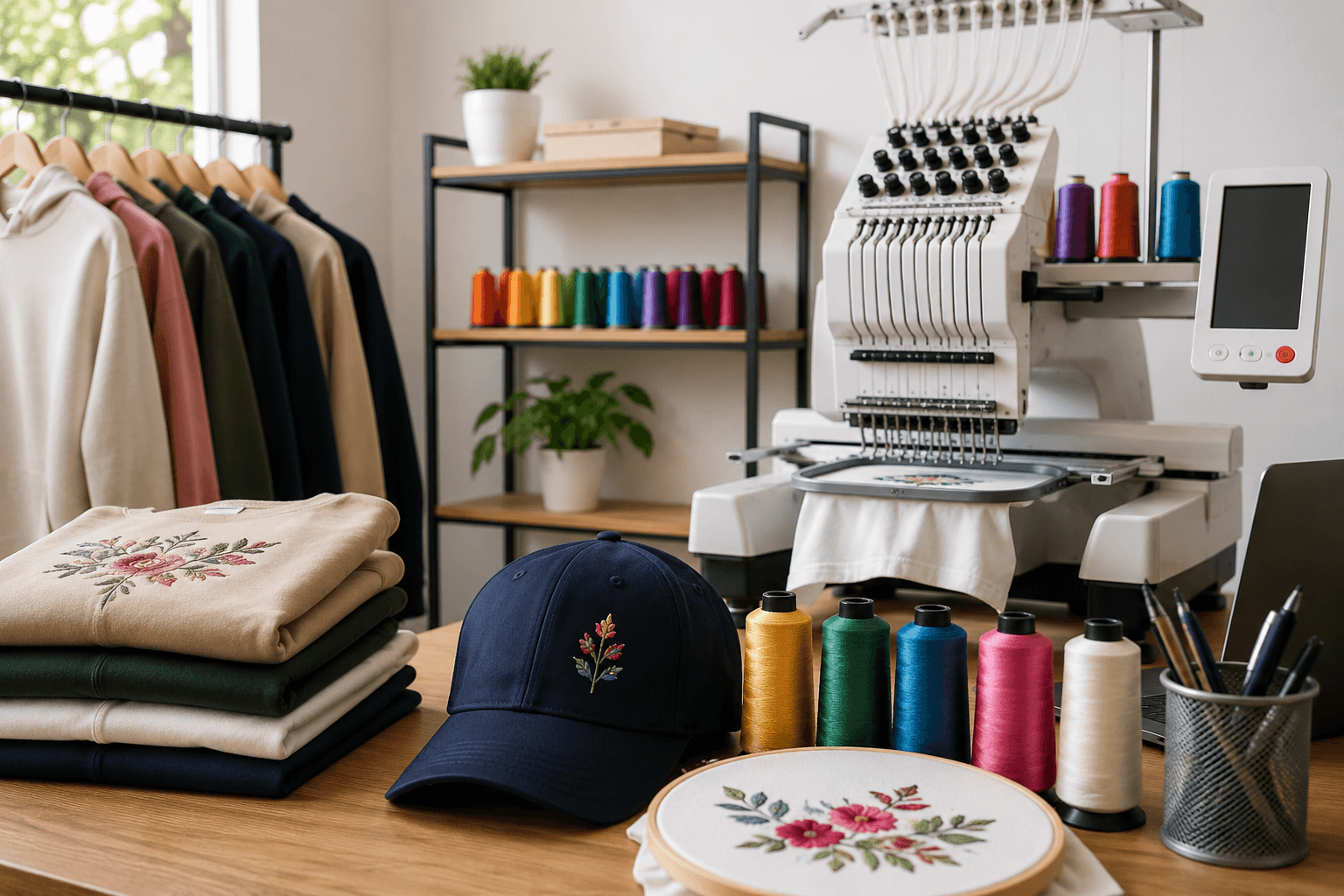
Once digitized, the file is loaded into an embroidery machine, which follows the instructions to create the design with thread.
Vector Embroidery vs Traditional Embroidery
| Feature | Vector Embroidery | Traditional Embroidery |
| Design Quality | Sharp, scalable, high precision | May lose clarity when resized |
| Flexibility | Easily adjustable | Limited editing options |
| File Format | Vector-based (AI, EPS, SVG) | Stitch-based only |
| Efficiency | Faster adjustments and production | Time-consuming for changes |
| Best Use | Logos, branding, detailed designs | Simple patterns |
Benefits of Vector Embroidery
1. Scalability Without Quality Loss
Vector designs maintain their sharpness regardless of size, making them perfect for both small logos and large back designs.
2. High Precision and Detail
Fine lines, curves, and intricate elements are reproduced accurately, ensuring a professional finish.
3. Consistency Across Products
Whether it’s a cap, jacket, or bag, vector embroidery ensures uniform results across all items.
4. Easy Editing and Customization
Designs can be modified quickly without starting from scratch, saving time and effort.
5. Better Branding Impact
Clean and polished embroidery enhances brand perception and credibility.
Challenges of Vector Embroidery
1. Requires Skilled Digitization
Converting vector files into stitch files requires expertise to avoid issues like thread breaks or uneven stitching.
2. Initial Setup Time
Preparing the design using vector embroidery software can take time, especially for complex artwork.
3. Software Learning Curve
Beginners may need time to understand how to use embroidery digitizing tools effectively.
Role of Vector Embroidery Software
Vector embroidery software plays a crucial role in transforming designs into machine-readable formats. It allows designers to control stitch types, adjust density, and preview how the design will appear on fabric.
Advanced tools offer features like auto-digitizing, manual stitch editing, and fabric simulation. This ensures better accuracy and reduces production errors.
Applications of Vector Embroidery
Vector embroidery is widely used across various industries:
- Corporate branding (logos on uniforms)
- Promotional merchandise
- Fashion and streetwear
- Sports apparel
- Custom gifts and accessories
Its versatility makes it a go-to solution for businesses looking to maintain a strong visual identity.
Tips for Better Vector Embroidery Results
- Use clean, high-quality vector files
- Avoid overly complex designs for small sizes
- Choose appropriate stitch types for different elements
- Test designs on sample fabric before bulk production
- Work with experienced digitizers for best results
Pros and Cons of Vector Embroidery
Pros
- High-quality and sharp output
- Scalable without distortion
- Ideal for branding and logos
- Easy to edit and customize
- Professional finish
Cons
- Requires technical knowledge
- Setup can take time
- Software can be complex for beginners
- Not all designs translate perfectly to stitches
FAQs
1. What is the difference between vector embroidery and digitizing?
Vector embroidery refers to the design format, while digitizing is the process of converting that design into stitch instructions.
2. Can all vector files be used for embroidery?
Not all vector files are ready for embroidery. They must be properly digitized using vector embroidery software.
3. Is vector embroidery suitable for small designs?
Yes, but very fine details may need simplification to ensure clean stitching.
4. Which file formats are best for vector embroidery?
Common formats include AI, EPS, and SVG for design, and DST or PES for machine use.
5. Does vector embroidery cost more?
Initial setup may cost more, but it saves money in the long run due to reusability and efficiency.
6. Can I edit a vector embroidery design later?
Yes, vector designs are highly editable, making them ideal for future updates.
7. What industries use vector embroidery the most?
Fashion, corporate branding, sportswear, and promotional products industries widely use it.
8. How long does it take to digitize a design?
It depends on complexity, but simple designs can take a few hours while detailed ones may take longer.
Conclusion
Vector embroidery has transformed the way designs are created and applied to fabric. With its ability to deliver precision, scalability, and consistency, it stands out as a reliable solution for modern branding and customization needs. While it requires proper tools and expertise, the results are worth the effort. Businesses that invest in quality vector embroidery benefit from stronger brand presentation and long-lasting visual appeal.