
Screen printing is one of the most popular ways to customize T-shirts, hoodies, uniforms, tote bags, sportswear, and other garments. One of the biggest questions people have before ordering printed apparel is simple: how many washes does screen printing last?
A high-quality screen-printed design can often last for dozens of washes and, with proper care, potentially for the lifetime of the garment. However, there is no single number that applies to every printed shirt. The lifespan depends on the type and quality of ink, curing process, fabric, printing technique, washing method, drying temperature, and how frequently the garment is worn.
If you are investing in custom apparel, understanding these factors can help you keep your screen printing looking sharp for as long as possible.
In this guide, we explain how long screen printing typically lasts, what causes prints to fade or crack, how to wash screen-printed shirts correctly, and what you can do to extend the life of your printed garments.
How Many Washes Does Screen Printing Last?
A properly applied and fully cured screen print can commonly withstand 50 or more washes without significant deterioration when the garment is washed and dried correctly.
High-quality professional screen printing can last considerably longer. In many cases, the print may remain recognizable and attractive for the entire useful life of the shirt, although some gradual fading, cracking, or softening can occur over time.
The exact lifespan depends on several factors:
- Quality of the screen-printing ink
- Proper curing temperature and time
- Type of garment fabric
- Printing method
- Ink thickness
- Washing temperature
- Detergent used
- Washing frequency
- Dryer temperature
- Friction during washing
- Exposure to sunlight and chemicals
A cheap print that was not cured properly may begin cracking or fading after only a few washes, while a professionally produced print can remain in excellent condition through many repeated washing cycles.
What Determines How Long Screen Printing Lasts?
Screen printing durability is not determined by the ink alone. The entire printing and garment-care process matters.
1. Ink Quality
The type and quality of ink used during screen printing have a major impact on durability.
Professional printers may use different ink systems depending on the fabric and desired finish. Plastisol ink, for example, is widely used for apparel because it can produce a durable print when properly cured.
Water-based inks can also provide excellent results, particularly when properly applied and cured. The important point is that the ink must be suitable for the fabric and processed correctly.
Poor-quality ink can lead to:
- Premature fading
- Cracking
- Peeling
- Loss of color
- Uneven print surfaces
When choosing a printing provider, it is worth asking about the ink system and curing process rather than focusing only on the price.
2. Proper Curing
Curing is one of the most important steps in professional screen printing.
The printed ink needs to reach the appropriate curing conditions so that it bonds properly and develops the required durability. If the ink is under-cured, the design may appear fine when the shirt is new but begin deteriorating after repeated washing.
Signs of an improperly cured print may include:
- Cracking after a small number of washes
- Peeling
- Ink rubbing away
- Fading faster than expected
- A rough or unstable print surface
This is why professional production and quality control are important when ordering custom apparel.
If you are interested in the drying and curing side of printing, see our guide on how long screen printing ink takes to dry.
3. Fabric Type
The garment itself also affects how long a screen print lasts.
Cotton, polyester, cotton-polyester blends, fleece, canvas, and other materials behave differently during printing and washing.
Cotton garments are commonly used for screen printing because they can provide an excellent printing surface. However, the garment may shrink over time, which can affect the appearance of the print.
Synthetic fabrics may require specially formulated inks because certain inks do not perform equally well on every material.
Before ordering custom apparel, consider both the fabric and printing method rather than looking at the print alone.
For more information about garment selection, read our guide to what types of garments are best for screen printing.
4. Washing Temperature
Hot water can be harder on printed garments than cold or lukewarm water.
Repeated exposure to high temperatures can contribute to:
- Color fading
- Fabric deterioration
- Print cracking
- Print softening
- Shrinkage
For this reason, washing screen-printed clothing in cold or cool water is generally a safer choice.
If the care label permits it, use a gentle or normal wash cycle with similar-colored garments.
5. Dryer Temperature
The dryer can be just as important as the washing machine.
High heat can accelerate wear on both the fabric and the printed design. Repeated high-temperature drying can cause the garment to shrink and may contribute to cracking or deterioration of the print.
For the longest possible print life, consider:
- Air drying the garment
- Using a low-heat dryer setting
- Removing the garment promptly after drying
Air drying is especially useful when you want to maximize the lifespan of premium custom apparel.
6. Washing Frequency
Naturally, a shirt that is washed twice a week will experience more wear than one washed once every few weeks.
Instead of thinking only in terms of years, it can be more useful to think in terms of washing cycles.
For example, a frequently worn work shirt might experience hundreds of washes over several years. Even if the screen print remains durable, the fabric itself may eventually become worn before the print completely fails.
This means the useful life of the print is often closely connected to the useful life of the garment.
How Long Does Screen Printing Last on a Shirt?
A quality screen print can last for years when it is applied correctly and maintained properly.
For a T-shirt that is worn occasionally and washed carefully, the design can remain vibrant for a very long time. A shirt worn every day and repeatedly washed using hot water and high dryer temperatures will naturally experience faster wear.
The most important distinction is between professional-quality screen printing and poorly produced printing.
A professionally screen-printed shirt generally has:
- Properly prepared artwork
- Suitable ink
- Correct ink application
- Proper curing
- Good-quality fabric
- Consistent production standards
These factors can make a significant difference in longevity.
Can Screen Printing Last 100 Washes?
Yes, a good-quality screen print can potentially remain usable after 100 washes, particularly when the garment is properly printed and carefully washed.
However, it would be misleading to promise that every screen-printed shirt will look exactly the same after 100 washes.
Some prints may experience minor:
- Fading
- Softening
- Cracking
- Color changes
- Surface wear
The garment itself may also show signs of aging.
Therefore, 100 washes should be viewed as a possible durability benchmark rather than a guaranteed number for every screen-printed garment.
The quality of the printing process and garment care are more important than a specific wash-count guarantee.
Why Does Screen Printing Fade After Washing?
Screen printing can fade for several reasons.
Low-Quality Ink
Inferior ink may lose color faster than professional-grade ink.
Incorrect Curing
If the ink does not cure correctly, it may not properly bond with the fabric.
Hot Water
Repeated hot washing can accelerate color and material deterioration.
High Dryer Heat
Excessive heat can contribute to cracking and fading.
Harsh Detergents
Strong chemicals or excessive detergent can gradually affect printed surfaces.
Direct Sunlight
UV exposure can fade certain colors over time, especially when garments are repeatedly exposed to strong sunlight.
Excessive Friction
Washing printed clothing with rough fabrics or using aggressive cycles can increase mechanical wear.
Does Screen Printing Crack After Washing?
Screen printing can crack over time, but properly produced screen printing should not normally crack after only a few washes.
Cracking is more likely when:
- The ink was not cured correctly
- The print is excessively thick
- The garment stretches frequently
- The fabric is low quality
- The shirt is repeatedly washed at high temperatures
- The dryer is operated at high heat
- The garment receives excessive mechanical stress
Some cracking is a normal part of aging for certain printed garments, especially after extensive use.
However, significant cracking shortly after purchase may indicate a printing or curing problem.
How to Wash Screen-Printed Shirts
Proper washing is one of the easiest ways to extend the life of a screen-printed garment.
Follow these steps whenever possible.
Step 1: Turn the Shirt Inside Out
Turning the shirt inside out helps protect the printed surface from direct friction.
During washing, the print may rub against other garments, the washing-machine drum, or zippers and buttons.
Turning it inside out reduces this exposure.
Step 2: Use Cold or Cool Water
Cold water is generally preferable for printed clothing.
It helps reduce:
- Heat exposure
- Shrinkage
- Color fading
- Stress on the printed surface
Always follow the garment manufacturer’s care label first.
Step 3: Choose a Gentle Detergent
Use a normal-quality laundry detergent and avoid unnecessarily harsh chemicals.
Do not use bleach unless the garment’s care instructions specifically allow it.
Step 4: Avoid Aggressive Washing
A gentle or standard cycle is usually preferable to an unnecessarily harsh cycle.
Avoid washing screen-printed shirts together with items that have rough surfaces, heavy zippers, or abrasive components.
Step 5: Avoid High Heat
After washing, use air drying or a low-temperature dryer setting when possible.
High heat is one of the easiest ways to shorten the lifespan of clothing and printed designs.
Step 6: Do Not Iron Directly Over the Print
If you need to iron a screen-printed shirt, avoid placing the hot iron directly on the printed design.
Turn the shirt inside out or use a protective layer between the iron and the print.
Direct heat can damage certain printed surfaces.
What Is the Best Way to Dry Screen-Printed Shirts?
The safest general option is air drying.
After washing:
- Turn the shirt inside out.
- Gently reshape it.
- Hang or lay it flat to dry.
- Keep it away from excessive direct sunlight.
- Avoid unnecessary high heat.
If you use a tumble dryer, select a lower heat setting and follow the garment’s care instructions.
How Often Should You Wash a Screen-Printed Shirt?
There is no universal washing schedule.
If a shirt is not dirty or sweaty, you may not need to wash it after every brief use. Reducing unnecessary washing can help extend the life of both the garment and its print.
For shirts worn during exercise, outdoor work, or physically demanding activities, washing after use may be necessary.
The goal is to balance hygiene with appropriate garment care.
Screen Printing vs. Other Printing Methods
Screen printing is not the only way to decorate apparel.
Depending on the design, quantity, fabric, and intended use, other methods may be appropriate.
Screen Printing vs. DTG
Direct-to-garment printing applies ink directly onto the garment using specialized digital printing equipment.
Screen printing is often particularly attractive for larger quantities and bold designs, while DTG can be useful for detailed, full-color artwork and smaller orders.
Read our comparison of screen printing vs. DTG printing to understand the differences.
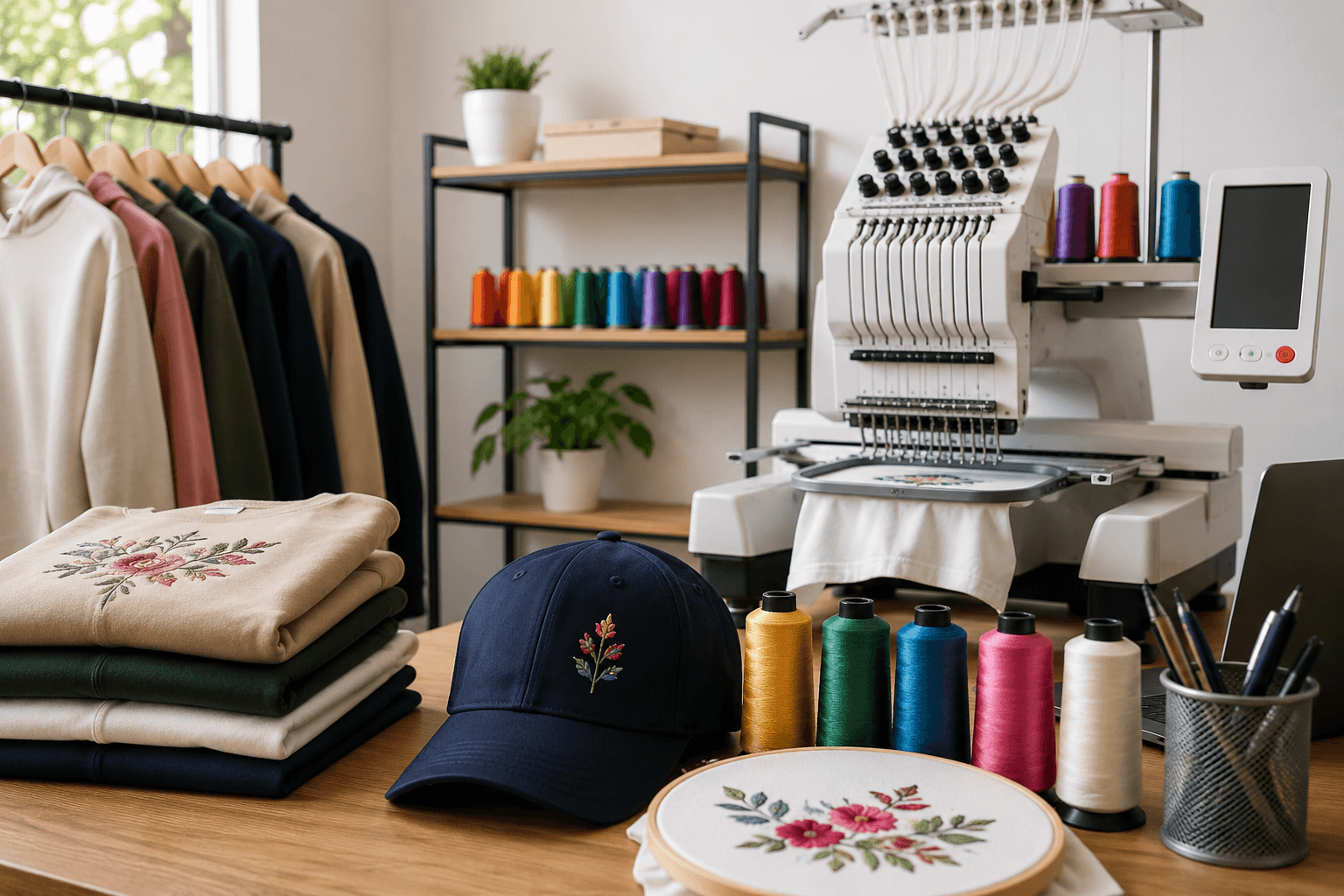
Screen Printing vs. Embroidery
Embroidery creates a design using thread rather than printed ink.
It is particularly popular for:
- Polo shirts
- Caps
- Jackets
- Workwear
- Uniforms
- Corporate apparel
Screen printing can be a better choice for large graphics and lightweight garments, while embroidery provides a textured, stitched appearance.
For a detailed comparison, see our guide to embroidery vs. screen printing.
Is Screen Printing More Durable Than Other Shirt Printing Methods?
Durability depends heavily on the specific production process.
A professionally produced screen print can be extremely durable and is widely used for workwear, sportswear, promotional clothing, merchandise, and everyday apparel.
However, there is no universal rule saying that screen printing will always outlast every other printing method.
The design, fabric, ink, curing process, washing conditions, and intended use all matter.
If durability is your primary concern, discuss the garment type and expected use with your printer before placing the order.
How Much Does Screen Printing Cost?
The price of screen printing depends on several variables, including:
- Number of shirts
- Number of print colors
- Artwork complexity
- Print size
- Garment type
- Printing location
- Quantity ordered
- Setup requirements
Larger orders can often reduce the cost per garment because setup expenses are distributed across more pieces.
You can learn more about pricing in our guide to screen printing prices and how to compare costs.
You may also want to read how much screen printing costs per shirt before ordering custom apparel.
How to Make Screen Printing Last Longer
If you want your printed garments to remain attractive for as long as possible, follow these practical tips:
Wash Inside Out
This protects the printed surface from friction.
Use Cold Water
Lower temperatures are generally gentler on printed apparel.
Avoid Bleach
Bleach and strong chemicals can damage colors and fabrics.
Use Mild Detergent
Avoid unnecessarily harsh cleaning products.
Avoid High Heat
Use air drying or low heat whenever possible.
Do Not Iron the Print Directly
Protect the design from direct high-temperature contact.
Avoid Overwashing
Wash garments when necessary rather than unnecessarily after every short use.
Store Properly
Keep printed clothing away from excessive heat, moisture, and prolonged sunlight.
Follow the Care Label
The manufacturer’s care instructions should always take priority because different fabrics and garments have different requirements.
How to Tell if a Screen Print Is High Quality
Before ordering custom screen-printed clothing, there are several things you can check.
A quality print should generally have:
- Clean edges
- Consistent coverage
- Even color
- Strong adhesion
- No obvious peeling
- No excessive cracking
- Proper alignment
- Appropriate ink coverage
The garment should also be appropriate for the chosen printing method.
If you are looking for a printing provider, our guide on how to choose a screen printing service near you can help you evaluate important factors before making a decision.
Does the Number of Colors Affect Screen Print Durability?
The number of colors does not automatically determine how durable a screen print will be.
A one-color design can fail if it is poorly printed or cured, while a multi-color design can remain durable for years when professionally produced.
However, multi-color designs may involve additional printing steps and registration requirements, making production quality especially important.
The more important factors are the quality of the materials, application, curing, garment, and aftercare.
Does Print Size Affect How Long Screen Printing Lasts?
Print size can influence the amount of ink and surface area involved, but size alone does not determine durability.
A large professionally cured print can be highly durable, while a small poorly cured print can fail quickly.
The way the garment stretches and how the print interacts with the fabric can also influence long-term wear.
How Long Does Screen Printing Take?
Production time depends on order size, artwork preparation, garment availability, number of colors, and the printing company’s workflow.
If you are planning an apparel order, it is useful to understand the production timeline before placing your order.
You can read our guide on how long screen printing takes to dry for more information about the drying stage.
Can You Screen Print at Home?
Yes, screen printing can be done at home with the right equipment, materials, artwork, screens, ink, and curing setup.
However, achieving professional-level durability can be more difficult without proper equipment and experience.
Common challenges include:
- Uneven ink application
- Poor screen preparation
- Incorrect curing
- Registration problems
- Inconsistent pressure
- Poor-quality artwork
If you are interested in trying it yourself, see our guide on how to do screen printing at home.
What Happens to Screen Printing After Many Washes?
After many washing cycles, a screen print may gradually become softer and less vibrant.
Depending on the quality and care, you might eventually notice:
- Slight fading
- Small cracks
- Reduced sharpness
- A softer print texture
- Minor peeling
- General surface wear
This does not necessarily mean the print has failed.
A well-made vintage-looking print can still be attractive even after years of washing.
In fact, some people prefer the softer appearance that develops as a screen print ages.
Screen Printing Durability for Workwear
Durability is particularly important for uniforms and workwear because these garments may be washed frequently.
Businesses ordering uniforms should consider:
- Fabric quality
- Ink type
- Print placement
- Washing frequency
- Expected garment lifespan
- Workplace conditions
For demanding environments, discuss the expected number of washing cycles with your printing provider before choosing the printing method.
Screen Printing Durability for Promotional T-Shirts
Promotional T-shirts may not require the same durability as industrial workwear, but the print should still remain attractive for a reasonable period.
For promotional campaigns, consider:
- Expected wear frequency
- Event duration
- Number of shirts
- Budget
- Design complexity
- Target audience
If the shirts are intended to become long-term merchandise rather than one-time promotional items, investing in better-quality garments and printing may provide better value.
How Long Does Screen Printing Last Compared With Embroidery?
Embroidery is fundamentally different because the design is constructed with thread rather than ink.
A properly embroidered design can be extremely durable and may remain intact for the life of a garment.
Screen printing, meanwhile, provides a flat printed surface and is often preferred for larger artwork, graphics, illustrations, and multi-color apparel designs.
If you are deciding between the two, consider the garment, design, budget, comfort, and expected use.
For embroidery projects, you can also explore our complete guide to embroidery digitizing.
Frequently Asked Questions
How many washes does screen printing last?
A professionally applied and properly cured screen print can often withstand 50 or more washes and may last much longer with proper care. The exact lifespan depends on the ink, garment, curing process, washing method, and frequency of use.
Does screen printing fade after washing?
It can gradually fade after repeated washing, especially when exposed to hot water, high dryer temperatures, harsh detergents, and excessive friction. High-quality screen printing should resist significant fading for many washes.
Can screen printing last 100 washes?
Yes. A high-quality screen print can potentially remain attractive after 100 washes, especially when washed in cool water, turned inside out, and dried using low heat or air drying.
How do I wash a screen-printed shirt?
Turn the shirt inside out, use cold or cool water, choose a suitable detergent, avoid bleach, use a gentle cycle when appropriate, and air dry or use low heat.
Does screen printing crack?
Screen printing can crack over time, particularly when the garment is repeatedly stretched, washed with high heat, or poorly produced. Proper curing and garment care can significantly reduce premature cracking.
Should I turn screen-printed shirts inside out before washing?
Yes. Turning the garment inside out can reduce friction against the printed surface and help protect the design during washing.
Can I put a screen-printed shirt in the dryer?
Yes, but high heat should generally be avoided. Use a low-heat setting when the garment’s care instructions allow it. Air drying is an even gentler option.
Can I iron a screen-printed shirt?
You can usually iron the garment, but avoid placing a hot iron directly on the printed design. Turn the shirt inside out or protect the print with an appropriate barrier.
Is screen printing good for shirts that are washed frequently?
Yes. Professional screen printing can be a very durable option for frequently washed apparel when the correct ink, fabric, and curing process are used.
What makes screen printing last longer?
High-quality ink, proper curing, suitable garments, cold washing, gentle detergents, low-temperature drying, reduced friction, and avoiding direct ironing can all help extend the life of a screen print.
Final Thoughts: How Many Washes Does Screen Printing Last?
So, how many washes does screen printing last?
A quality screen print can commonly survive 50+ washes, and professionally produced prints can remain attractive for significantly longer when they are properly cared for. There is no guaranteed number because durability depends on the ink, curing process, garment material, washing conditions, drying method, and frequency of use.
The best way to extend the life of your screen-printed clothing is simple: wash it inside out with cool water, avoid harsh chemicals and excessive heat, and air dry or use a low dryer setting whenever possible.
If you are ordering custom apparel, don’t focus only on the lowest price. Ask about the garment quality, printing method, ink, curing process, and expected durability.
For more screen-printing and apparel customization guides, visit the Rise Digitizing blog.
Related Posts