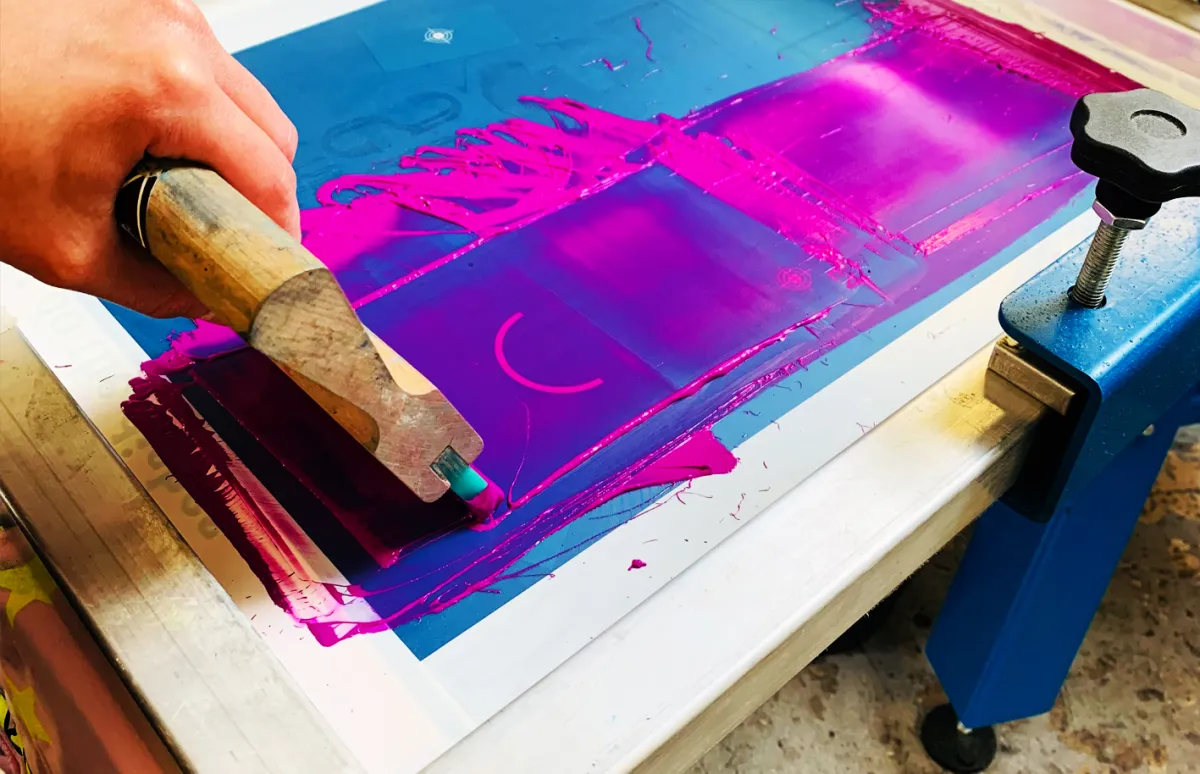

If you’re new to screen printing or even an experienced printer, one of the most common questions is “How long does screen printing ink take to dry?” The answer depends on the type of ink you’re using, the printing environment, and whether you’re talking about surface drying or full curing.
Understanding drying times is essential because rushing the process can lead to smudged prints, poor durability, and unhappy customers. On the other hand, allowing ink to cure properly ensures vibrant colours, excellent wash resistance, and professional-quality results.
In this guide, we’ll explain everything you need to know about screen printing ink drying times, the factors that influence them, and practical tips to speed up production without compromising quality.
Quick Answer
Most screen printing inks become touch dry within 20 minutes to several hours, depending on the ink type.
However, fully curing the ink—which makes the print permanent and washable—takes longer and often requires heat.
Here’s a general overview:
| Ink Type | Surface Dry Time | Full Cure |
|---|---|---|
| Plastisol Ink | Doesn’t air dry | Heat cure at approximately 320°F (160°C) |
| Water-Based Ink | 20–60 minutes | Heat cure for durability |
| Discharge Ink | 30–60 minutes | Heat cure required |
| Acrylic Screen Printing Ink | 15–30 minutes | 24 hours for complete cure |
| Textile Ink | 30 minutes–2 hours | Heat curing recommended |
Drying vs Curing: What’s the Difference?
Many people confuse drying with curing, but they’re completely different.
Drying
Drying simply means the surface no longer feels wet. The ink has lost moisture or solvents and won’t smear easily.
Curing
Curing is when the ink reaches its full chemical stability. Proper curing allows the print to:
- Resist washing
- Maintain vibrant colours
- Prevent cracking
- Resist peeling
- Last for years
A shirt may feel dry after 30 minutes but still fail after one wash if it hasn’t been properly cured
How Long Does Plastisol Ink Take to Dry?
Plastisol is one of the most popular screen printing inks worldwide.
Unlike water-based inks, plastisol does not air dry.
Instead, it remains wet until heated to approximately 320°F (160°C).
Typical curing methods include:
- Conveyor dryer
- Flash dryer
- Heat press
- Industrial curing oven
Most plastisol prints cure within:
- 30–90 seconds inside a conveyor dryer
- Slightly longer using a flash dryer
Without heat, plastisol ink may remain wet indefinitely.
How Long Does Water-Based Screen Printing Ink Take to Dry?
Water-based inks dry naturally because the water evaporates.
Typical drying time:
- Touch dry: 20–60 minutes
- Fully cured: Heat recommended
Factors affecting drying include:
- Humidity
- Temperature
- Air circulation
- Fabric type
- Ink thickness
Water-based ink offers a softer print feel but requires careful drying management during production.
How Long Does Acrylic Screen Printing Ink Take to Dry?
Acrylic screen printing ink dries relatively quickly.
Typical times include:
- Surface dry: 15–30 minutes
- Complete cure: Around 24 hours
These inks are commonly used on:
- Paper
- Cardboard
- Wood
- Fabric
- Posters
- Promotional materials
How Long Does Textile Ink Take to Dry?
Textile inks vary by manufacturer.
Most require:
- 30 minutes to 2 hours for initial drying
- Heat curing for maximum wash durability
Professional garment decorators typically use conveyor dryers to ensure consistent curing.
Factors That Affect Screen Printing Ink Drying Time
Several variables influence how quickly ink dries.
1. Ink Type
This is the biggest factor.
Water-based inks dry naturally.
Plastisol inks require heat.
Discharge inks behave differently again due to their chemical reaction with fabric dyes.
2. Temperature
Warmer environments accelerate drying.
Cold workshops slow evaporation considerably.
Ideal room temperatures are generally between:
- 68°F–77°F (20°C–25°C)
3. Humidity
High humidity slows drying because moisture cannot evaporate efficiently.
Low humidity speeds up drying.
Professional print shops often control humidity for consistent production.
4. Airflow
Moving air dramatically improves drying speed.
Common solutions include:
- Fans
- Air movers
- Ventilation systems
- Drying racks with airflow
5. Ink Thickness
Heavy ink deposits naturally take longer to dry.
Using appropriate mesh counts helps achieve optimal ink thickness.
6. Fabric Material
Different garments absorb ink differently.
Examples include:
- Cotton
- Polyester
- Cotton blends
- Canvas
- Performance fabrics
Highly absorbent fabrics often dry faster than synthetic materials.
Can Screen Printing Ink Dry Overnight?
Yes.
Many water-based inks become completely dry overnight.
However, overnight drying does not always mean fully cured.
Before selling garments or washing them, follow the manufacturer’s curing instructions.
How to Speed Up Screen Printing Ink Drying
If you’re working on multiple orders, reducing drying time can significantly improve productivity.
Here are proven methods.
Increase Airflow
Fans help remove moisture quickly.
Avoid directing strong airflow onto wet prints immediately, as this can introduce dust.
Lower Humidity
A dehumidifier works well in humid climates.
Reducing moisture speeds evaporation considerably.
Raise Room Temperature
A warmer workspace improves drying efficiency.
Avoid excessive temperatures that may affect the screen or ink consistency.
Use a Conveyor Dryer
Commercial print shops rely on conveyor dryers because they provide:
- Consistent curing
- Even heating
- High production speed
- Reliable wash durability
Flash Cure Between Colours
Multi-colour prints often require flash curing between layers.
This partially cures the previous layer before applying the next colour.
Common Mistakes That Slow Drying
Avoid these common problems.
Printing Too Much Ink
Heavy deposits take significantly longer to dry.
Poor Ventilation
Stagnant air traps moisture around the garment.
Cold Working Conditions
Low temperatures dramatically extend drying times.
Skipping Heat Curing
Even if the print feels dry, skipping proper curing can lead to cracking or washing out.
How Do You Know If Screen Printing Ink Is Fully Cured?
Professional printers often perform a wash test.
Signs of proper curing include:
- No cracking after stretching
- No peeling
- No colour fading after washing
- Smooth, durable finish
- Strong fabric adhesion
Many shops also use temperature guns or cure test strips to confirm proper curing.
Frequently Asked Questions
Can I Use a Hair Dryer?
Yes, for small projects. A hair dryer can speed surface drying, but it usually doesn’t provide consistent heat for proper curing of plastisol inks.
Does Sunlight Help?
Warm sunlight may help water-based inks dry faster, but it’s not a reliable curing method for professional garment printing.
Can I Stack Shirts Before They’re Dry?
No.
Stacking wet garments often causes:
- Ink transfer
- Smudging
- Uneven drying
- Ruined prints
Always allow sufficient drying or curing before stacking.
Why Is My Screen Printing Ink Still Sticky?
Possible causes include:
- Under-curing
- Excessive ink thickness
- Low curing temperature
- High humidity
- Incorrect ink formulation
Is Heat Always Required?
Not always.
Many water-based inks can air dry, but heat curing significantly improves durability, especially for garments that will be washed regularly.
Best Practices for Professional Results
For consistent, high-quality screen printing:
- Choose the correct ink for your project.
- Maintain a stable workshop temperature.
- Keep humidity under control.
- Ensure good airflow.
- Use the recommended curing temperature.
- Test prints before full production.
- Follow the ink manufacturer’s technical specifications.
- Perform wash tests on finished garments.
These simple practices help reduce production issues while producing prints that look great and last longer.
Final Thoughts
The answer to “How long does screen printing ink take to dry?” depends on the type of ink and your printing setup. Water-based inks typically become touch dry within 20 to 60 minutes, while plastisol inks require heat and won’t dry naturally. More importantly, drying is only part of the process—proper curing is essential for creating prints that resist washing, cracking, and fading.
By understanding the differences between drying and curing, controlling environmental conditions, and using the right equipment, you can achieve professional-quality screen prints with consistent, long-lasting results.