If you’re preparing a logo for embroidery, one of the first questions you’ll likely ask is, “How long does logo digitizing take?” Whether you’re an embroidery shop, apparel brand, promotional products company, or business owner ordering custom uniforms, understanding the digitizing timeline helps you plan production and meet customer deadlines.
The short answer is that most professional logo digitizing projects are completed within 4 to 24 hours. However, the exact turnaround time depends on several factors, including the complexity of the design, stitch count, revisions, and the experience of the digitizer.
In this guide, we’ll explain everything you need to know about logo digitizing timelines, the factors that influence delivery, and how choosing an experienced provider like RiseDigitizing can help you receive production-ready embroidery files without compromising quality.
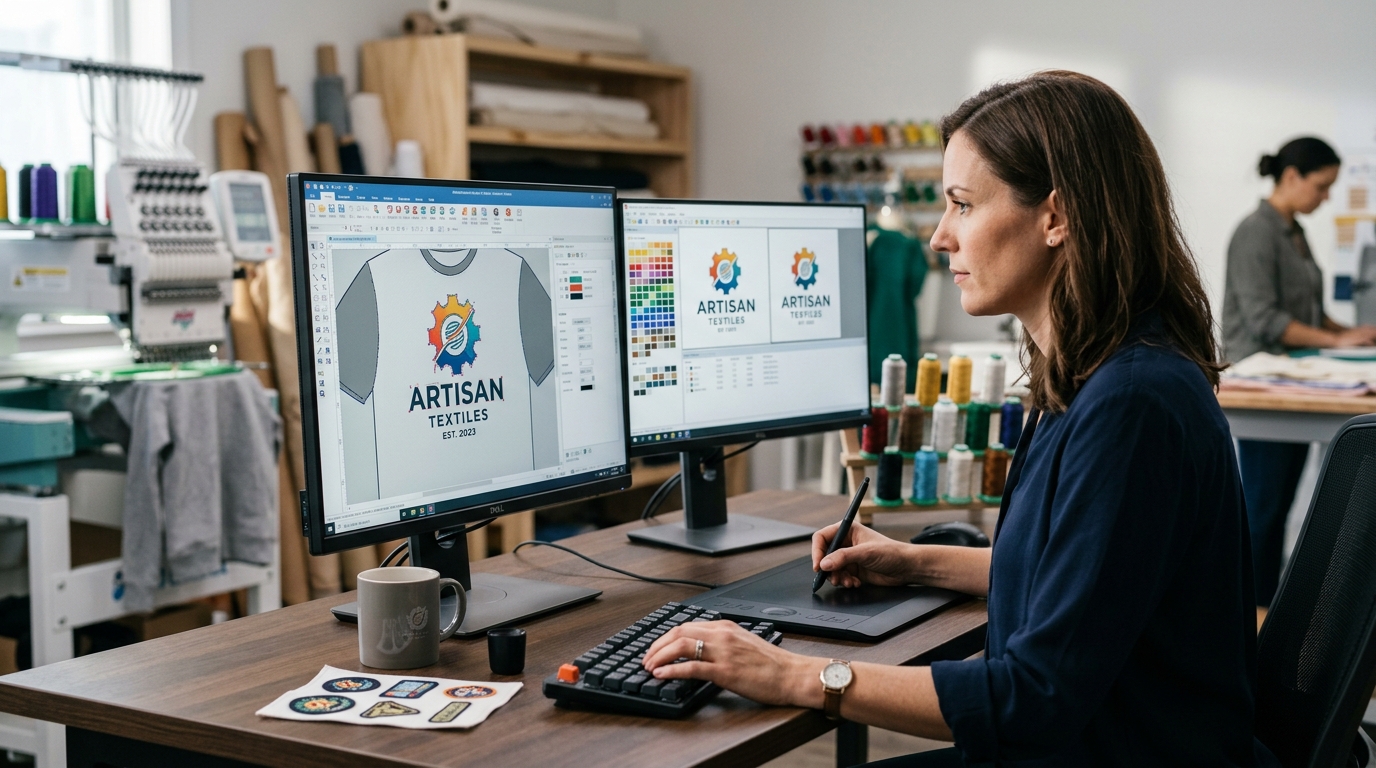
Logo digitizing is the process of converting artwork, logos, or images into a digital embroidery file that embroidery machines can read. Unlike simply converting a file format, digitizing involves manually assigning stitch types, stitch directions, densities, underlay stitches, and pull compensation to ensure the design stitches accurately on fabric.
A professionally digitized file allows embroidery machines to create clean, durable, and visually appealing designs while minimizing thread breaks and production issues.
The time required to digitize a logo varies depending on its complexity. Below is a general estimate:
Logo Type| Estimated Time
Simple Text Logo| 1–4 Hours
Basic Business Logo| 4–8 Hours
Medium Complexity Logo| 8–12 Hours
Detailed Corporate Logo| 12–24 Hours
Highly Complex Artwork| 24–48 Hours
Many professional digitizing companies, including RiseDigitizing, offer same-day service for most standard logo digitizing projects.
The biggest factor affecting turnaround time is the complexity of the artwork. A simple logo with clean text and basic shapes can be digitized much faster than a detailed illustration containing gradients, shadows, or intricate elements.
The higher the stitch count, the more planning is required. Large jacket-back designs or highly detailed logos often take longer than small left-chest logos.
Providing a high-resolution image significantly speeds up the digitizing process. Blurry or low-quality images require additional work to recreate missing details accurately.
For the best results, submit your logo in formats such as AI, EPS, SVG, PDF, PNG, or high-resolution JPEG.
Different fabrics require different stitch settings. For example:
Adjusting the design for specific materials adds time but ensures better embroidery quality.
Special embroidery techniques such as 3D puff embroidery, appliqué, chenille, sequins, or metallic thread require additional planning and testing, increasing production time.
If revisions are requested after the initial digitizing is complete, additional time will be needed to update the file and test the changes.
Some customers assume digitizing is an automated process, but high-quality embroidery digitizing requires manual expertise.
Each decision directly affects the final embroidery quality. Rushing these steps can lead to poor results, including puckering, thread breaks, and distorted logos.
Yes. Many professional digitizing companies provide same-day or even rush services for urgent orders.
At RiseDigitizing, many standard logo digitizing projects are completed within a few hours while maintaining strict quality standards. Rush services are especially helpful for embroidery shops with tight production schedules or last-minute customer requests.
Tips to Speed Up the Digitizing Process
If you want your logo digitized as quickly as possible, follow these tips:
Providing complete project details helps avoid delays and unnecessary revisions.
Choosing the right embroidery digitizing company can save time, reduce production errors, and improve embroidery quality.
RiseDigitizing is committed to delivering production-ready embroidery files with precision and efficiency. Our experienced digitizers create files optimized for commercial embroidery machines, ensuring clean stitch paths and consistent results.
Whether you need a simple logo or a detailed custom design, RiseDigitizing focuses on accuracy, efficiency, and customer satisfaction.
Common Mistakes That Delay Logo Digitizing
Avoid these common issues that can increase turnaround time:
Providing clear information from the beginning helps your digitizer deliver faster results.
How long does logo digitizing usually take?
Most standard logos are digitized within 4 to 24 hours, depending on the design’s complexity and project requirements.
Can I get my logo digitized in one hour?
Some simple text-based logos may be completed in about an hour through rush services, but more detailed designs generally require additional time to ensure quality.
Why does detailed artwork take longer?
Complex logos contain more elements, stitch types, and planning requirements, making them more time-consuming to digitize accurately.
Does logo size affect digitizing time?
Yes. Larger and more detailed embroidery designs usually require more planning and testing than smaller logos.
Is professional digitizing worth the wait?
Absolutely. A professionally digitized file reduces thread breaks, improves stitch quality, minimizes production issues, and delivers a polished final product.
Final Thoughts
Logo digitizing is an essential step in creating professional embroidery. While simple logos may be completed within a few hours, more detailed artwork requires additional time to ensure flawless stitching. Choosing an experienced provider ensures your design is optimized for quality, efficiency, and durability.
If you’re looking for fast turnaround, exceptional quality, and dependable service, RiseDigitizing is ready to help. Our team combines technical expertise with attention to detail to produce embroidery files that help your business achieve outstanding results.
Call to Action
Ready to turn your logo into a high-quality embroidery file? Contact RiseDigitizing today for fast, accurate, and professional logo digitizing services. Let our experienced team deliver production-ready files that help your embroidery projects stand out.