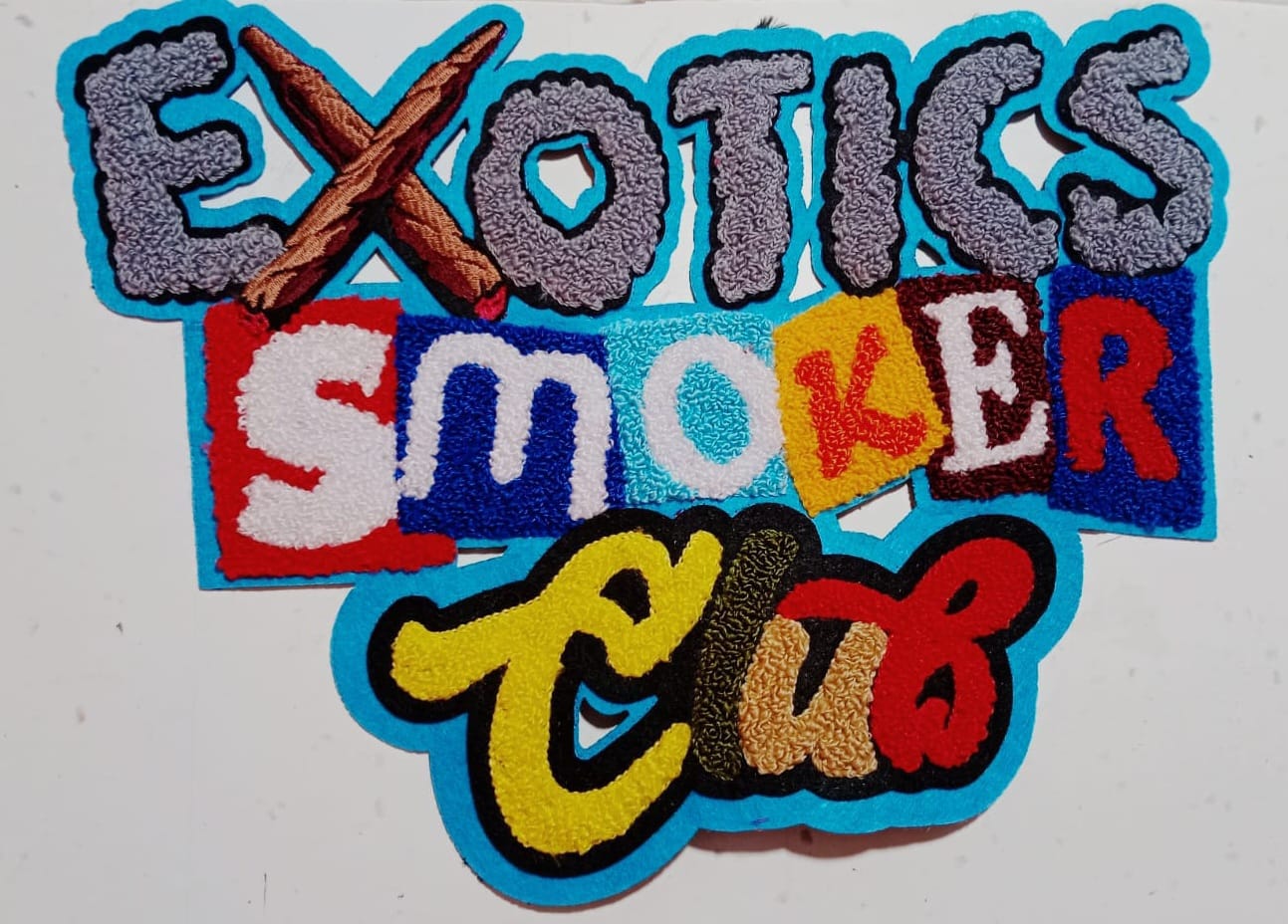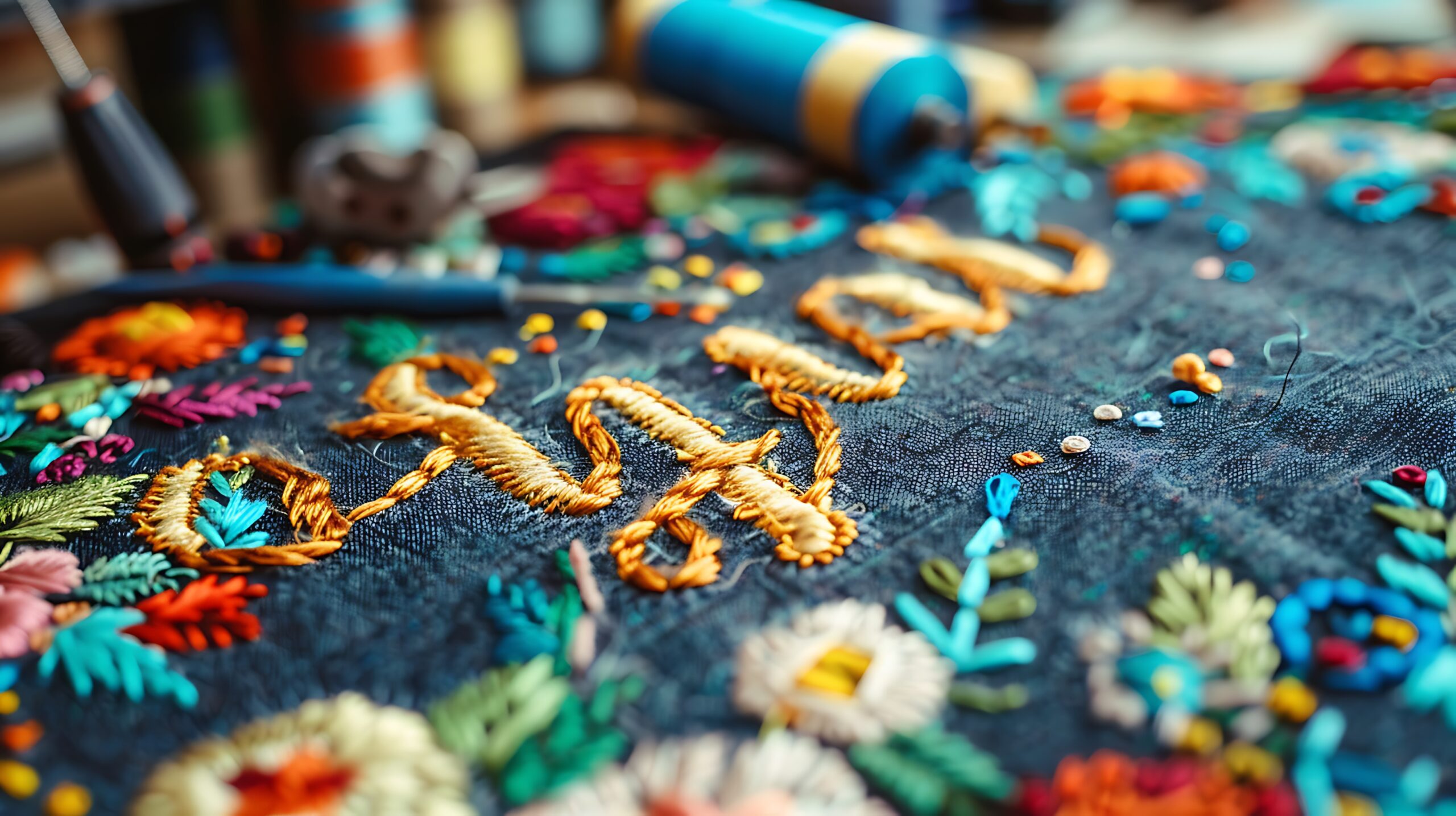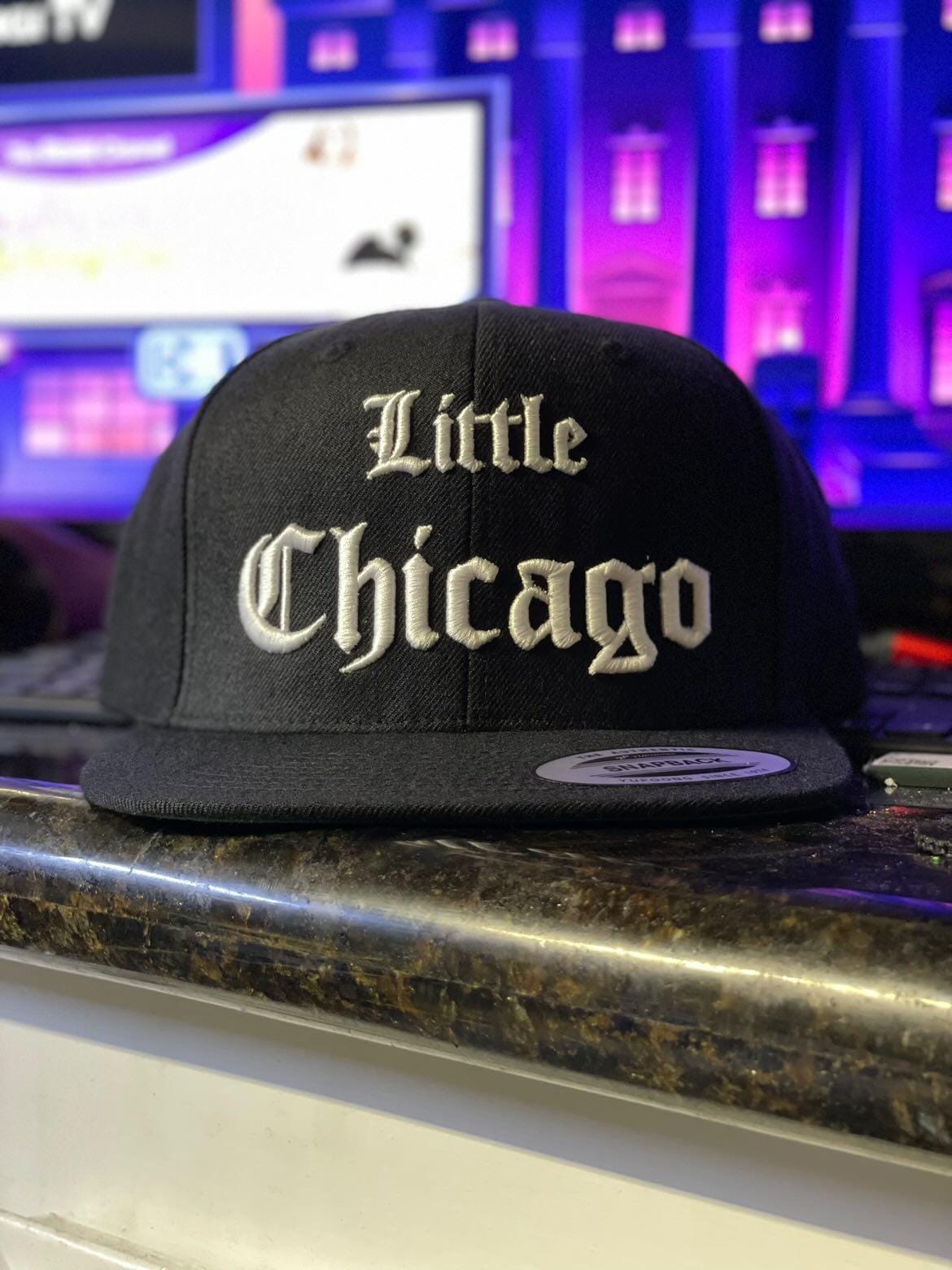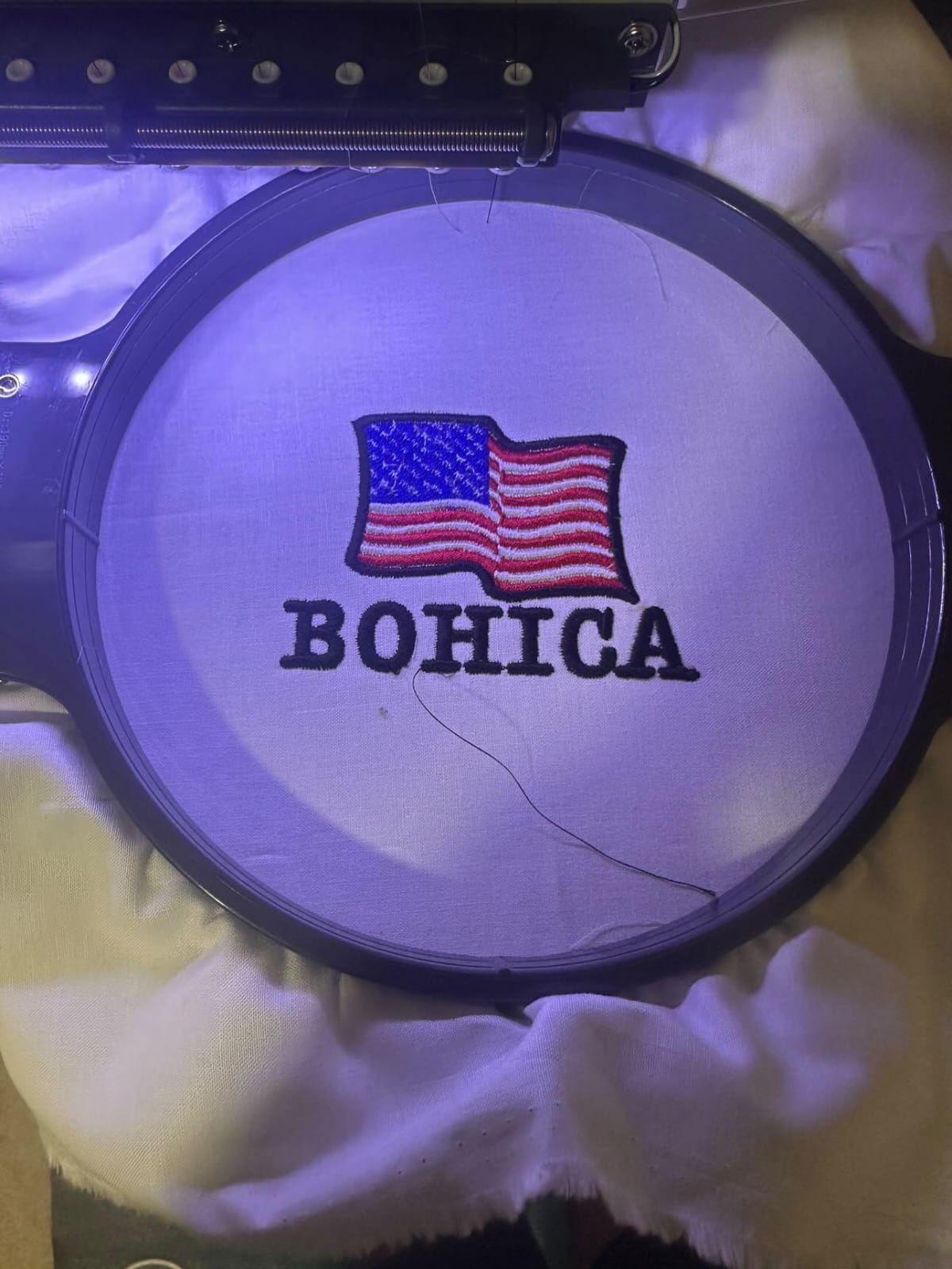
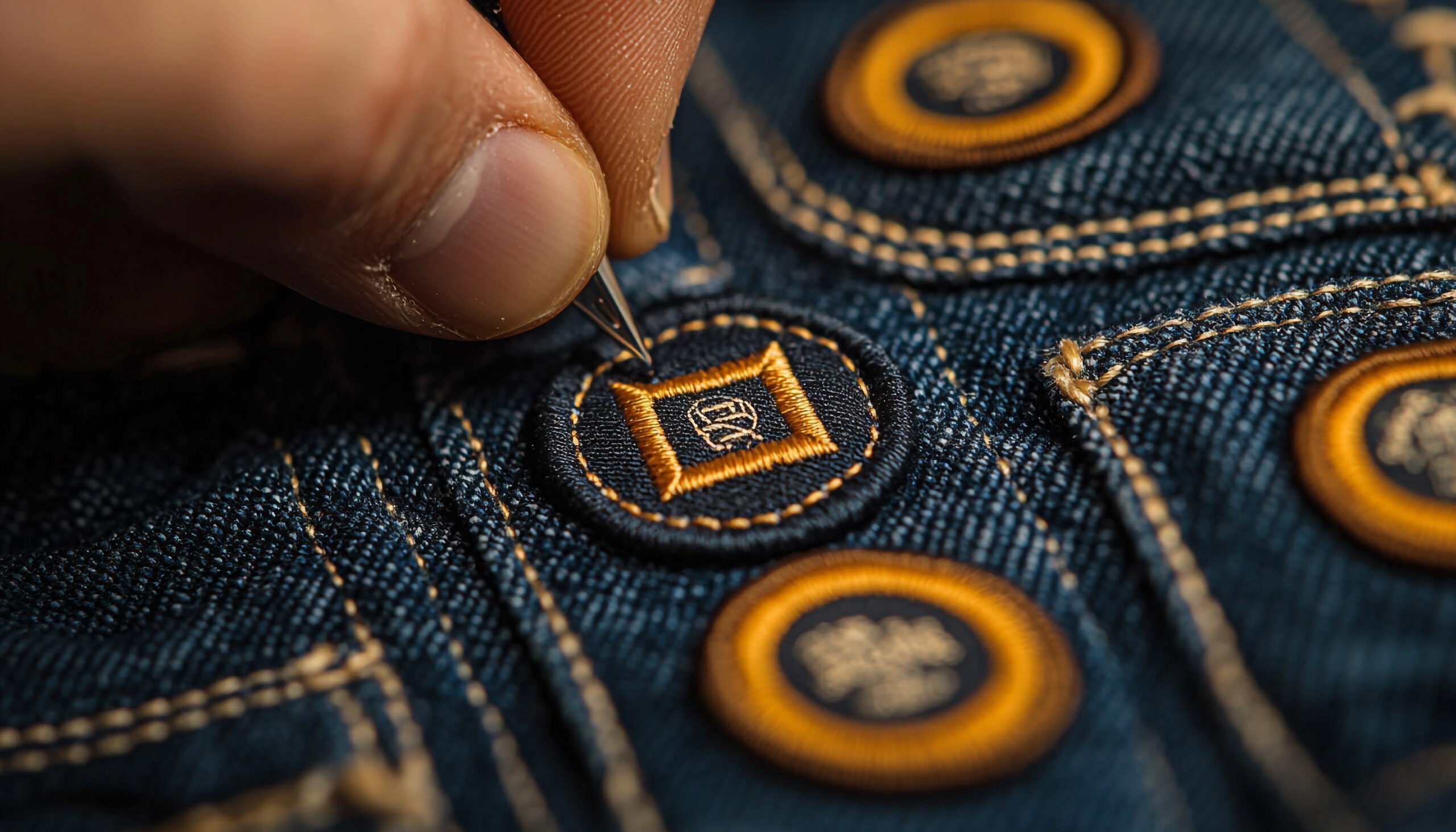

Embroidery digitising plays a crucial role in achieving clean, professional results in machine embroidery.It is the process of converting artwork, logos, or designs into a digital stitch file that embroidery machines can read accurately. Without proper digitising, even the best embroidery machine can produce uneven stitches, thread breaks, or distorted designs.
Many businesses today rely on embroidery digitising services to ensure their logos and branding look clean, professional, and consistent across garments. While several providers offer digitising solutions, the real difference lies in stitch quality, manual expertise, and the software used—not just fast delivery.
Why Embroidery Digitising Quality Matters
High-quality embroidery digitising directly affects how a design looks on fabric. Poor digitising often leads to gaps, puckering, or excessive thread usage. Professional embroidery digitising focuses on:
- Proper stitch direction
- Balanced stitch density
- Clean edges and sharp detailing
- Fabric-specific digitising techniques
Some services rely heavily on auto-digitising tools, while others prioritize manual digitising using advanced embroidery digitising software. Manual digitising may take more time, but it results in smoother stitches and longer-lasting embroidery.
Embroidery Digitising Service vs Auto Digitising
When comparing embroidery digitising services, one major difference is how designs are processed.
Standard Auto-Digitising Approach
- Faster turnaround
- Less customization
- Limited control over stitch flow
- Often struggles with complex logos
Professional Manual Digitising Approach
- Human-controlled stitch placement
- Better fabric adaptability
- Cleaner results for small text and fine details
- Reduced thread breaks and machine errors
High-end embroidery digitising services focus on manual adjustments within professional embroidery digitising software, ensuring accuracy that automated tools alone cannot achieve.
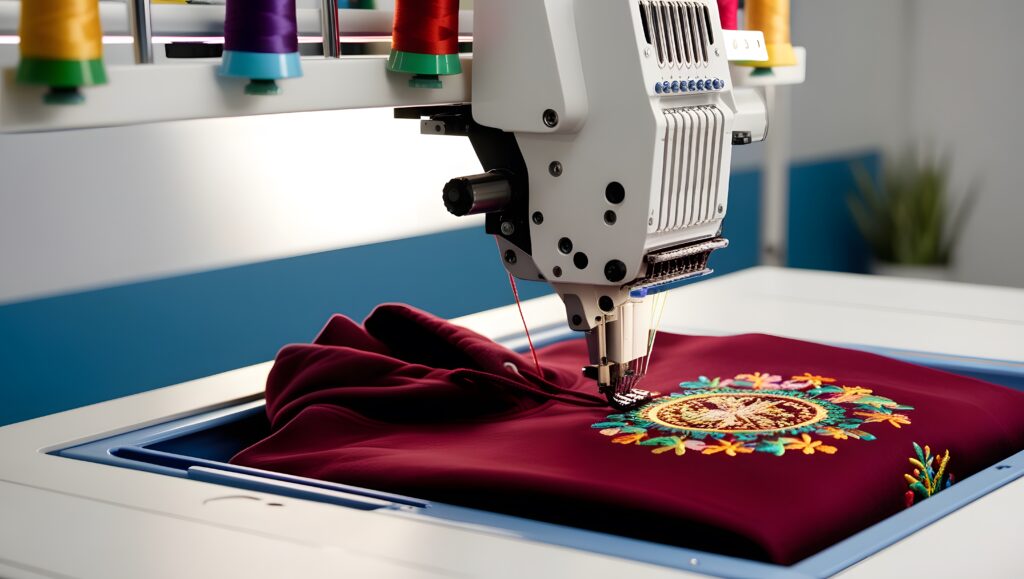
Role of Embroidery Digitising Software
Modern embroidery digitising software plays a crucial role in delivering professional results. However, software alone is not enough. The real value comes from how experienced digitisers use it.
Professional software allows digitisers to:
- Control stitch angles
- Adjust pull compensation
- Optimize stitch types for fabric
- Minimize thread waste
When comparing providers, those who combine expert knowledge with premium embroidery digitising software consistently deliver better outcomes than services relying purely on automation.
Comparison-Based Insight: What Sets Quality Digitising Apart
When comparing embroidery digitising services in the market, the key differences usually appear in:
- Stitch accuracy rather than speed
- Customization instead of one-size-fits-all files
- Fabric-specific digitising instead of generic settings
Some companies emphasize mass processing, while others prioritize quality control and manual inspection. Clients who value long-term embroidery quality often choose services that focus on precision over volume.
Who Needs Professional Embroidery Digitising?
Embroidery digitising services are ideal for:
- Apparel brands
- Uniform suppliers
- Promotional product companies
- Custom embroidery shops
- Corporate branding projects
For businesses that need consistent results across multiple garments, professional digitising becomes a necessity rather than an option.
FAQs
What is embroidery digitising?
Embroidery digitising is the process of converting artwork into a stitch file that embroidery machines use to create designs on fabric accurately.
Why should I use a professional embroidery digitising service?
A professional embroidery digitising service ensures clean stitching, correct stitch density, and better fabric handling, which improves the final embroidery quality.
Is embroidery digitising software enough on its own?
No. Software is only a tool. Skilled digitisers are needed to manually control stitch flow, density, and design structure for professional results.
Can one digitised file work on all fabrics?
No. Different fabrics require different digitising settings. Professional services adjust designs based on fabric type.
Does good digitising reduce machine issues?
Yes. High-quality digitising reduces thread breaks, needle damage, and machine downtime.
Final Thoughts
Embroidery digitising is more than just converting an image into stitches—it is a technical skill that combines experience, creativity, and the right embroidery digitising software. While many services exist in the market, the difference between average and exceptional digitising lies in manual expertise, attention to detail, and quality control.
Choosing a professional embroidery digitising service ensures your designs stitch smoothly, look sharp, and represent your brand with confidence. For businesses focused on quality embroidery, investing in expert digitising is always worth it.