
Embroidery businesses, hobbyists, and apparel brands are always looking for free DST files to save time and reduce design costs. Whether you’re testing a new machine or experimenting with fresh patterns, having access to reliable files can make a big difference. But not all free downloads are equal. Some offer professional stitch quality, while others may cause thread breaks, distortion, or resizing issues.
This guide explains how to find quality free DST files for embroidery, what to check before downloading, and how they compare to general free embroidery design platforms in the market.
What Are DST Files?
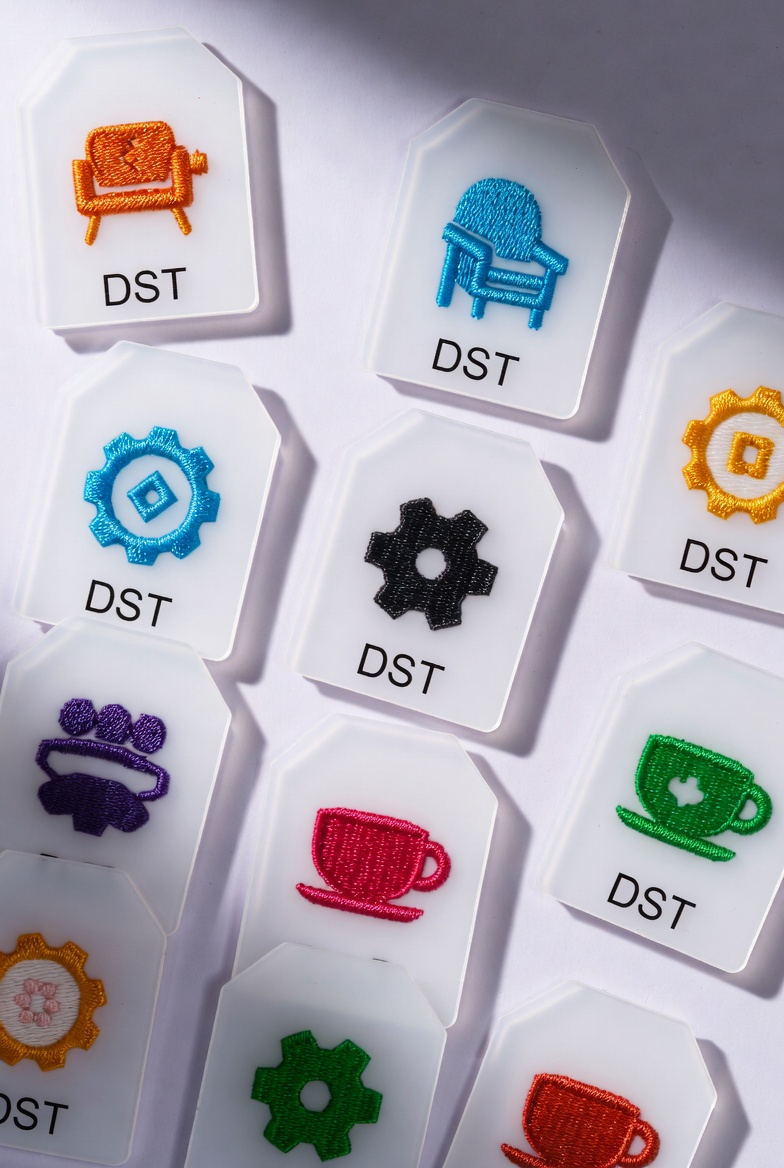
DST (Data Stitch Tajima) files are one of the most widely used embroidery machine formats. They contain stitch commands that guide embroidery machines on:
- Stitch direction
- Stitch length
- Color change stops
- Jump stitches
Most commercial embroidery machines support DST format, making it a standard choice for professionals.
Why People Search for Free DST Files
There are three main reasons users look for free embroidery downloads:
- Testing Machine Settings – Before running paid designs, users test tension, stabilizers, and thread quality.
- Practice Projects – Beginners need simple files to improve their skills.
- Small Custom Jobs – For quick projects, free files help reduce production cost.
However, while many websites provide free embroidery designs, the quality and usability vary significantly.
Comparison: General Free Design Platforms vs. Professional-Oriented Resources
Some embroidery blogs provide broad guides on downloading free designs. They usually focus on:
- Explaining embroidery formats
- Offering basic design categories
- Giving beginner-friendly tips
These platforms are useful for hobbyists and new users. They provide variety but often lack:
- Production-ready digitizing standards
- Proper stitch density control
- Clean pathing and minimal jump stitches
- Commercial-friendly licensing clarity
In contrast, platforms focused on professional embroidery users emphasize:
- Optimized stitch count
- Clean underlay structure
- Machine compatibility testing
- Balanced density for different fabrics
If you’re running an embroidery business, stitch quality matters more than quantity.
What to Check Before Downloading Free DST Files
Before using any free DST files for embroidery, review these factors:
1. Stitch Density
Too many stitches can cause fabric puckering. Too few stitches may result in gaps.
2. Design Size
Always confirm hoop size compatibility before running the file.
3. Color Stops
Some free files have unnecessary thread change stops that slow production.
4. Machine Compatibility
Even though DST is universal, certain machines may require minor adjustments.
5. Licensing
Some “free” files are only free for personal use, not commercial resale.
Benefits of Using High-Quality Free DST Files
When properly digitized, free designs can still offer professional results:
- Clean embroidery finish
- Smooth satin columns
- Proper underlay support
- Reduced thread breaks
- Faster machine runtime
For businesses testing suppliers or designs, free samples are helpful for evaluating quality before investing in premium digitizing services.
Free vs. Custom Digitized Files
Free files are ideal for:
- Practice
- Sample production
- Learning digitizing basics
However, for logos, branding, or client orders, custom digitized DST files are usually necessary. Custom digitizing ensures:
- Accurate logo scaling
- Correct stitch direction for fabric type
- Balanced density for caps, jackets, or polos
- Professional finish
If your goal is brand-level embroidery, relying only on random free downloads may not deliver consistent results.
Tips for Getting the Best Results from Free DST Files
- Always run a test stitch-out on scrap fabric.
- Adjust thread tension based on fabric thickness.
- Use proper stabilizer according to material type.
- Resize only within 10–15% to avoid distortion.
- Preview the stitch path in embroidery software before stitching.
These small steps help prevent wasted thread and damaged garments.
FAQs
1. Are free DST files safe to use on commercial machines?
Yes, but always test first. Poorly digitized files may cause thread breaks or uneven stitching.
2. Can I resize free DST files?
Minor resizing is possible, but large changes can affect stitch density and quality.
3. Are free embroidery designs suitable for business use?
Some are, but check licensing terms. Many are for personal use only.
4. Why do some free DST files cause puckering?
High stitch density or incorrect underlay settings can cause fabric distortion.
5. Is DST better than other embroidery formats?
DST is widely supported, making it one of the safest and most compatible formats.
Final Thoughts
Free DST files can be a great starting point for embroidery enthusiasts and small businesses. They help in practice, testing, and short-term projects. However, not all free designs meet professional production standards. Quality, stitch density, underlay structure, and machine compatibility determine whether a file will deliver clean results or create frustration.
If your focus is serious embroidery production, treat free files as trial resources rather than long-term solutions. Testing, reviewing, and understanding stitch behavior will always give you better outcomes than downloading designs blindly.
By combining smart testing with selective downloads, you can make the most of free DST files for embroidery while maintaining professional standards.