
Embroidery files are the backbone of modern machine embroidery. These digital designs dictate how an embroidery machine stitches patterns onto fabric. Whether you are a hobbyist or professional, understanding the types of embroidery files and how to use them can elevate your creative projects.
When exploring embroidery files, one of the most important things to know is the file format. Common types include DST, SVG, PES, and EXP. Each format is compatible with specific embroidery machines. For example, DST files are widely used in commercial embroidery machines due to their simplicity and efficiency.
Free Embroidery Files
Many embroidery enthusiasts look for free embroidery files to practice or enhance their projects without investing heavily in paid designs. Free files are often smaller in scale, allowing beginners to experiment. Popular sources provide free DST files, SVG embroidery files, and other formats. These free designs help crafters explore various themes and stitch patterns before purchasing premium sets.
DST Embroidery Files
DST embroidery files are one of the most trusted formats in professional embroidery. They are compatible with many machines and contain stitching instructions such as thread colors, stitch type, and sequence. For those new to embroidery, free DST embroidery files are a great way to get started. They allow users to understand how commercial embroidery designs are structured while practicing on their machines.
SVG Embroidery Files
SVG embroidery files are vector-based and increasingly popular due to their scalability. Unlike raster images, SVG files retain sharp lines and details when resized. Many design platforms and embroidery software accept SVG files, making them versatile for creative projects. These files are especially useful for digital embroidery and integrating custom artwork into stitched designs.
How to View Embroidery Files
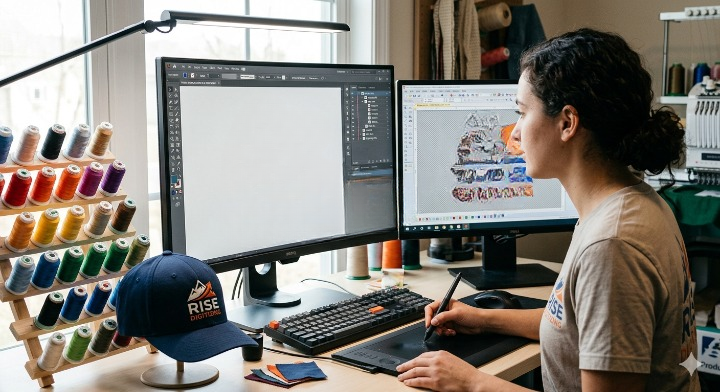
Understanding how to view embroidery files before stitching is crucial. Embroidery software allows users to open files, preview designs, and adjust sizes and colors. Some programs even simulate stitching, giving an accurate preview of the final product. Properly viewing the files helps prevent mistakes, saves materials, and ensures high-quality outcomes.
Comparison with Premium Platforms
Sites offering premium embroidery files often include advanced design collections, detailed stitching instructions, and customer support. Comparing these with free sources helps crafters decide the best fit for their needs. Free resources provide ample learning opportunities, while premium platforms offer complex designs for professional projects. Evaluating both options ensures you make cost-effective decisions without compromising creativity.
FAQs About Embroidery Files
Q1: Can I use free embroidery files for commercial projects?
A1: Many free files are for personal use only. Always check the licensing terms before selling embroidered items made from free designs.
Q2: How do I convert SVG files to DST format?
A2: Conversion software is available that translates vector files like SVG into machine-readable DST formats. This allows custom designs to be stitched accurately.
Q3: What software is best to view embroidery files?
A3: Popular options include Wilcom, Hatch, and Brother PE-Design. These programs allow previewing, resizing, and editing designs before stitching.
Q4: Are DST files compatible with all embroidery machines?
A4: DST files are widely compatible, but always verify your machine’s supported formats to ensure proper stitching.
Final Thoughts
Embroidery files, whether free or premium, are essential tools for creative embroidery. Understanding file formats like DST and SVG, knowing where to find free embroidery files, and learning how to view embroidery files correctly can save time, reduce errors, and enhance your final product. By combining free resources with premium designs when necessary, crafters and professionals alike can expand their creative potential while managing costs effectively.