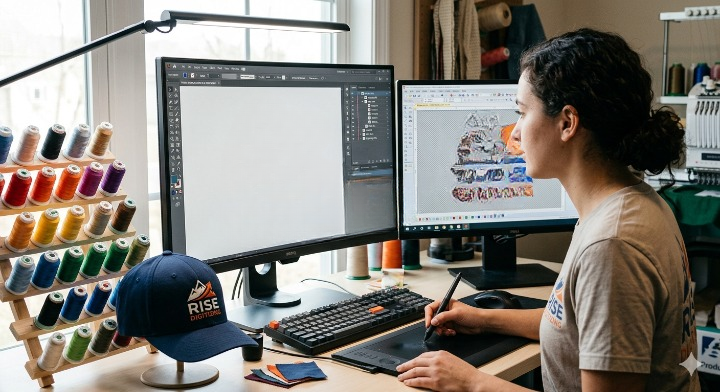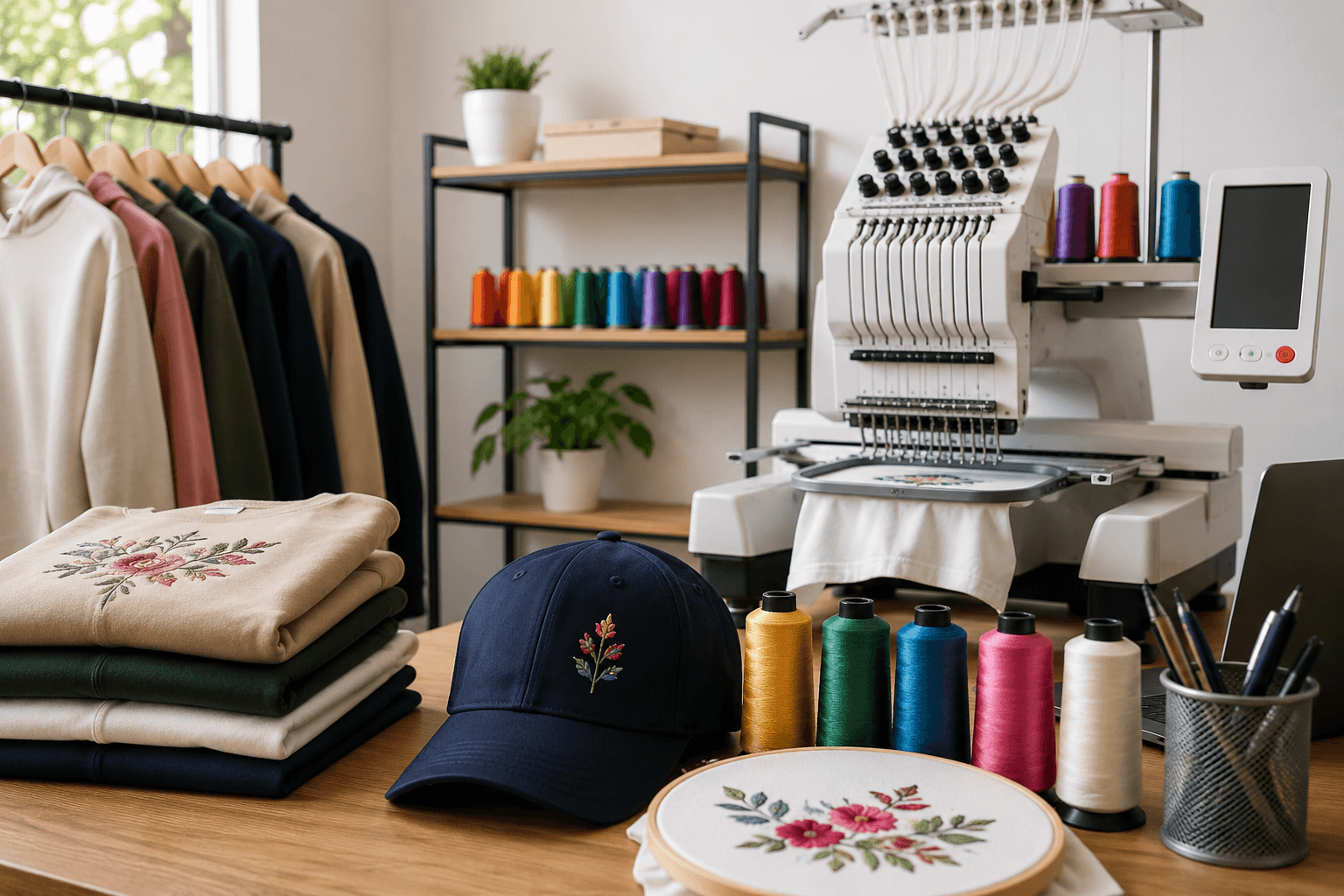


Embroidery patterns are the foundation of every successful stitching project. Whether you are working with a needle and thread by hand or using a digital embroidery machine, the right pattern determines the final look of your design. From simple floral outlines to detailed logo artwork, embroidery patterns help bring creativity to life.
Today, there are hundreds of websites offering designs, including large commercial platforms like Emblibrary that provide premium machine embroidery files. While these platforms are known for their wide collections, many stitchers also look for more affordable or beginner-friendly options, especially when starting out.
Let’s explore different types of embroidery patterns and compare what makes a design source truly valuable.
Types of Embroidery Patterns
1. Free Embroidery Patterns
Many crafters begin their journey by searching for free embroidery patterns. These are perfect for practicing stitches and understanding fabric tension before investing in paid designs.
Free patterns often include:
- Floral motifs
- Alphabet designs
- Holiday themes
- Simple outline artwork
However, the quality can vary. Some free designs may not be well-digitized for machines, which can cause thread breaks or uneven stitching. That’s why it’s important to test patterns before large production work.
2. Embroidery Patterns for Beginners
If you’re new to embroidery, choosing the right design matters. Embroidery patterns for beginners usually include:
- Clear stitch guides
- Minimal color changes
- Simple shapes
- Step-by-step instructions
Compared to complex commercial designs, beginner patterns focus more on learning techniques than intricate detailing. Large design marketplaces offer advanced patterns, but beginners may find them overwhelming.
Starting simple builds confidence and improves stitch consistency.
3. Free Embroidery Patterns PES Format
For machine users, file format is crucial. One of the most searched formats is free embroidery patterns PES, which works with Brother and Babylock machines.
When comparing platforms:
- Premium design libraries usually offer multiple formats including PES, DST, and JEF.
- Smaller pattern providers may only offer one format.
Before downloading, always confirm compatibility with your machine to avoid file conversion issues.
4. Free Embroidery Patterns to Download
Instant access matters today. Many stitchers prefer free embroidery patterns to download immediately rather than waiting for email delivery.
A good embroidery pattern provider should offer:
- Clear file labeling
- Size specifications
- Stitch count details
- Fabric recommendations
Large commercial platforms often provide detailed product descriptions and stitch previews. Smaller creators may offer unique artistic styles but less technical detail.
Choosing between them depends on whether you prioritize variety, price, or technical accuracy.
Comparing Pattern Sources
When comparing a major embroidery design marketplace with independent providers, here are key differences:
Design Variety
Large platforms usually have thousands of categorized machine embroidery designs including seasonal, corporate, and monogram collections.
Smaller or niche providers may focus on:
- Custom logo embroidery
- Minimalist patterns
- Trend-based designs
Pricing
Premium marketplaces typically charge per design or offer membership plans.
Free pattern sources reduce costs but may lack advanced detailing.
Digitizing Quality
Established companies often ensure clean stitch paths and reduced thread trims.
Some free downloads may not be optimized, especially for dense fabrics.
Customization
Many independent providers allow custom embroidery patterns, which is helpful for businesses needing logos digitized.
Your choice depends on your project goals — personal crafting or professional production.
How to Choose the Right Embroidery Pattern
Before selecting a design, consider:
- Your skill level
- Machine compatibility
- Fabric type
- Stitch density
- Design size
For beginners, start with lightweight fabrics and simple outlines.
For advanced users, layered textures and 3D puff designs can add dimension.
Testing patterns on scrap fabric prevents material waste and thread damage.
Why Embroidery Patterns Matter in Professional Work
In commercial embroidery, patterns are more than decorative files. They affect:
- Production time
- Thread consumption
- Machine performance
- Final finish quality
Poorly digitized designs can slow production and increase thread breaks. On the other hand, well-structured patterns ensure smooth stitching and cleaner output.
That’s why businesses often prefer professionally digitized embroidery patterns over random downloads.
FAQs
1. Where can I find free embroidery patterns?
You can find free embroidery patterns on crafting blogs, design marketplaces, and embroidery communities. Always check file compatibility before downloading.
2. What is the best format for machine embroidery?
PES is widely used for Brother and Babylock machines, but always confirm your machine’s supported format.
3. Are free embroidery patterns good quality?
Some are excellent, while others may lack proper digitizing. Testing before final production is recommended.
4. What embroidery patterns are best for beginners?
Simple floral outlines, monograms, and basic shapes with fewer color changes are ideal for beginners.
5. Can I customize embroidery patterns?
Yes. Many providers offer custom digitizing services to create personalized embroidery files.
Final Thoughts
Embroidery patterns play a crucial role in both creative crafting and professional production. Whether you are searching for free embroidery patterns, embroidery patterns for beginners, or free embroidery patterns PES, the key is choosing designs that match your skill level and equipment.
Large commercial platforms offer reliability and variety, while smaller providers may offer flexibility and affordability. Choosing the right fit requires balancing your construction needs, budget expectations, and timeline goals.