
Embroidery digitizing has become easier and more accessible than ever before. Many beginners and small businesses look for free digitizing software to convert logos and artwork into stitch files without investing heavily in premium tools. While free options can help you get started, it’s important to understand their features, limitations, and how they compare to professional embroidery software like Hatch.
This guide explains what you can expect from free tools and how they perform against paid software.
What Is Free Digitizing Software?
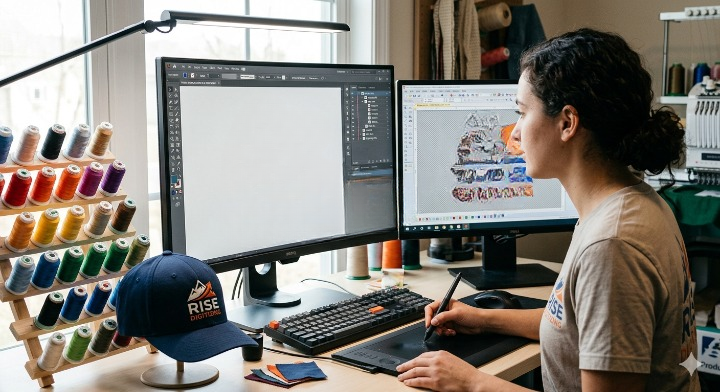
Free digitizing software allows users to convert images into embroidery files compatible with embroidery machines. These programs help create stitch paths, adjust thread density, and prepare files in formats like DST, PES, or EXP.
Many beginners search for free digitizing software for embroidery machines because they want to practice without financial risk. Free tools are often suitable for learning basic digitizing skills, editing simple designs, or converting artwork into stitch-ready files.
However, the features available in free versions are usually limited compared to professional software.
Features You Can Expect from Free Software
Most free embroidery digitizing programs offer:
- Basic image-to-stitch conversion
- Simple editing tools
- Limited stitch customization
- Basic lettering tools
- Export in common embroidery formats
These tools can work well for hobbyists or small projects. If your designs are simple logos or text-based embroidery, free software might meet your needs.
However, when working with detailed artwork, gradients, or 3D puff effects, limitations become noticeable.
Comparison: Free Digitizing Software vs Hatch Embroidery Software
Hatch embroidery software is a professional-grade digitizing solution widely used in the embroidery industry. It offers a trial version, allowing users to test advanced features before purchasing.
Here’s how free software compares to Hatch:
1. Ease of Use
Free tools are often basic in interface and may lack step-by-step guidance. Hatch, on the other hand, provides a more polished interface with tutorials and built-in help options, making it easier for beginners to learn professionally.
2. Digitizing Control
Free digitizing software usually offers automatic digitizing with limited manual control. Hatch provides advanced stitch editing, density control, underlay settings, and compensation adjustments. This results in cleaner and more professional embroidery output.
3. Design Quality
While free software can produce decent results for simple designs, professional tools like Hatch create smoother curves, better stitch angles, and improved thread path efficiency. This reduces thread breaks and machine issues.
4. Lettering and Fonts
Free programs often include very limited font libraries. Hatch includes a large collection of embroidery-ready fonts with adjustable properties, giving more flexibility for commercial projects.
5. Support and Updates
Free tools may not provide technical support or regular updates. Professional software includes updates, tutorials, and customer support, which is important for growing businesses.
When Free Digitizing Software Is Enough
Free digitizing software works well if:
- You are learning embroidery digitizing
- You create simple designs
- You do not need advanced stitch editing
- You want to test embroidery as a hobby
It is a good starting point for beginners who want hands-on practice before investing in premium software.
When You Should Consider Professional Software
If you run an embroidery business or handle detailed customer logos, free software may limit your growth. Professional tools allow better stitch control, smoother output, and improved efficiency.
For commercial embroidery production, software like Hatch offers better results in terms of durability, stitch accuracy, and design flexibility. It helps reduce material waste and machine errors.
Is Free Digitizing Software Worth It?
The answer depends on your goals. For learning and small projects, yes. For serious embroidery production, professional software provides better long-term value.
Many users start with free digitizing software for embroidery machines, then upgrade once they understand digitizing principles and need more control.
FAQs
What is the best free digitizing software for embroidery machines?
There are several free tools available online, but most offer basic features. They are suitable for beginners but may lack advanced editing and professional stitch control.
Can free digitizing software create professional designs?
Free software can produce simple professional-looking designs, but complex artwork often requires advanced software for better stitch quality.
Is Hatch better than free digitizing software?
Hatch offers more control, advanced features, and better output quality. Free tools are good for practice, while Hatch is better for commercial work.
Do I need digitizing software for embroidery machines?
Yes. Embroidery machines require digitized files in specific formats like DST or PES. Digitizing software converts artwork into stitch-ready files.
Can beginners use free digitizing software?
Yes. Free digitizing software is ideal for beginners who want to learn embroidery design without investing money upfront.
Final Thoughts
Choosing between free digitizing software and professional tools depends on your experience level and business goals. Free software is a practical starting point for hobbyists and beginners. It helps you understand stitch types, design conversion, and file formats.
However, if you aim for high-quality embroidery production and consistent commercial results, professional embroidery software offers better performance, accuracy, and long-term reliability.