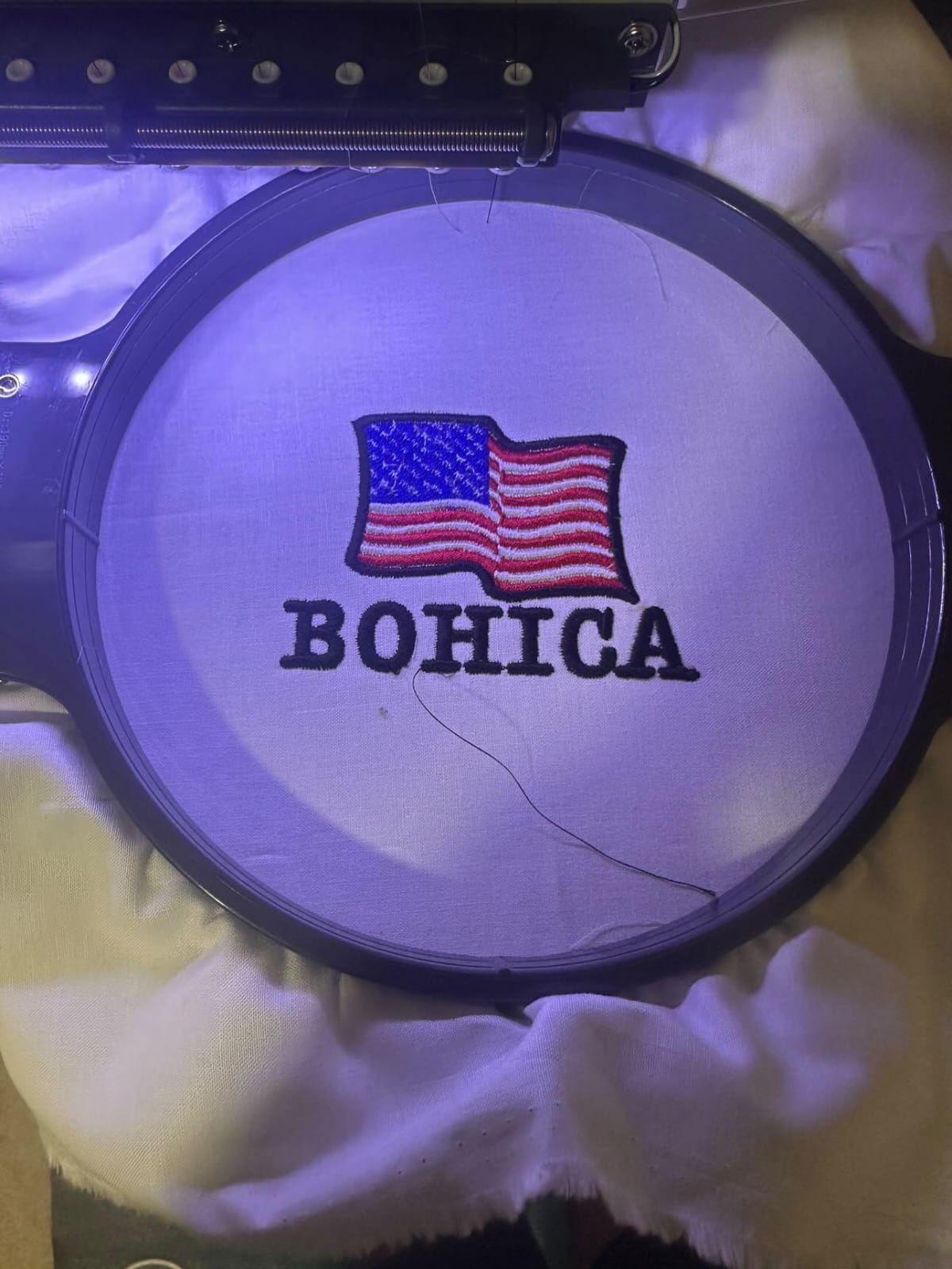
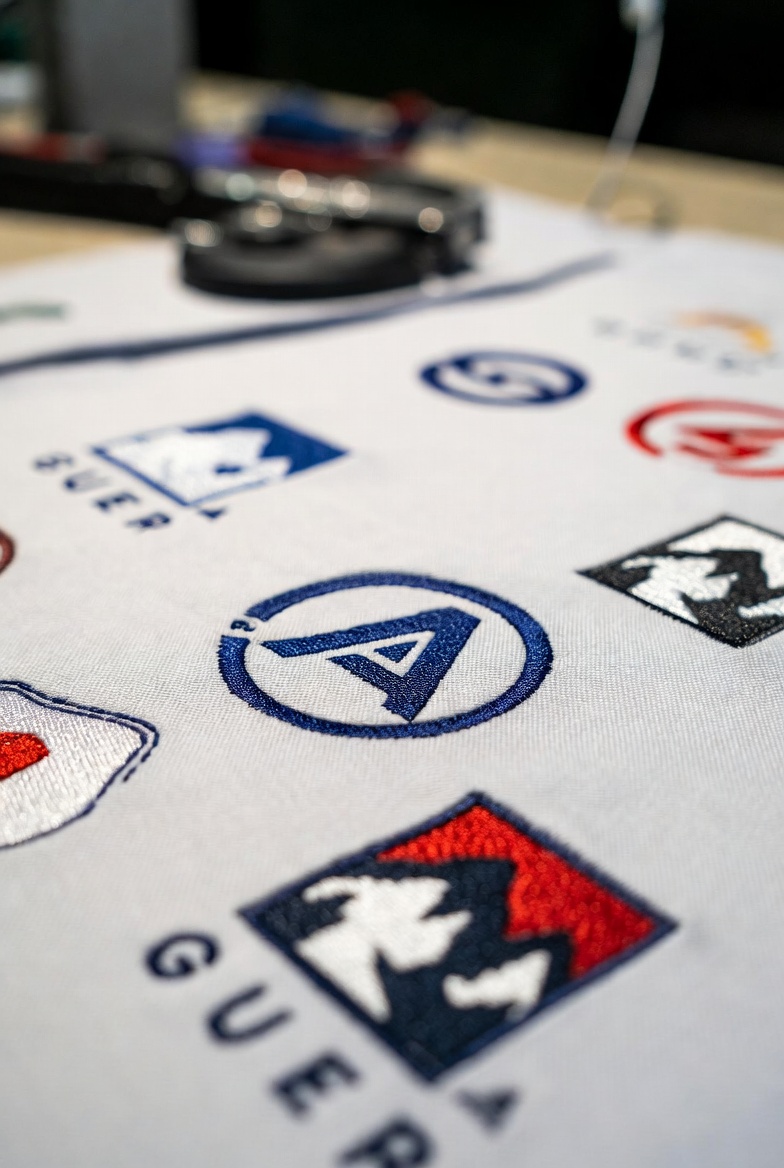

Logo digitizing is the process of converting a logo image into a stitch-based file that embroidery machines can read. Unlike regular images, embroidery machines require precise stitch instructions to recreate a logo accurately on fabric. This is where logo digitizing plays a crucial role in embroidery quality, durability, and overall appearance.
Many businesses compare DIY digitizing tools or free options with professional logo digitizing services. Understanding the difference helps in choosing the right solution for long-term results.
How Logo Digitizing Works
Logo digitizing starts with analyzing the logo design. Each element—lines, text, shapes, and colors—is manually converted into stitch paths. The digitizer decides stitch types, stitch direction, density, and underlay to ensure smooth embroidery.
This process is not automatic. Even advanced software requires human expertise to prevent thread breaks, fabric distortion, and uneven stitching. That’s why professional logo digitizing produces cleaner and more consistent embroidery results.
Free Logo Digitizing vs Professional Logo Digitizing Service
Many users search for free logo digitizing, but there are key differences when compared with paid services.
Free Logo Digitizing
- Limited stitch control
- Poor stitch density
- Inaccurate logo shapes
- Often unsuitable for commercial embroidery
- No support or revisions
Free tools may work for simple designs, but they often fail on complex logos or professional garments.
Professional Logo Digitizing Service
- Optimized stitch paths
- Clean edges and sharp details
- Fabric-specific settings
- Reduced thread breaks
- Scalable for bulk embroidery
Professional services focus on long-term quality, especially for branding and commercial use.
Cost Factors in Logo Digitizing
Logo digitizing cost depends on:
- Logo complexity
- Number of colors
- Stitch count
- File format requirements
- Turnaround time
While free logo digitizing has no upfront cost, poor results often lead to wasted fabric and rework. A professional logo digitizing service saves time, materials, and production costs in the long run.
Why Quality Matters in Logo Digitizing
Low-quality digitizing causes:
- Distorted logos
- Uneven stitches
- Thread breaks
- Fabric puckering
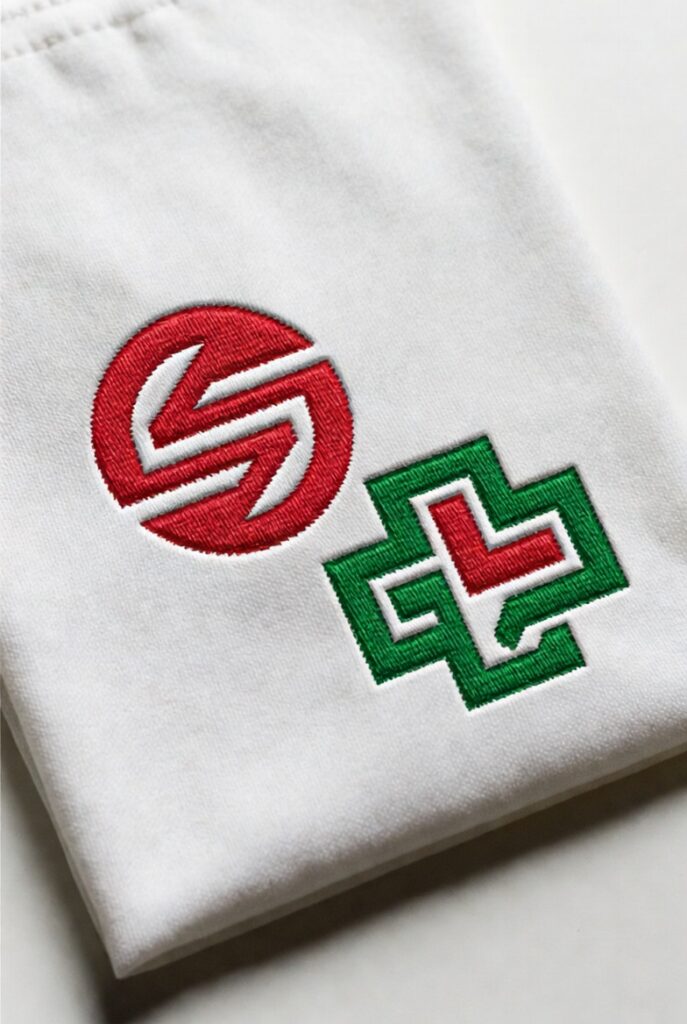
High-quality logo digitizing ensures the logo looks consistent across different fabrics and sizes. This is especially important for uniforms, promotional apparel, and branded merchandise.
When to Choose Professional Logo Digitizing
Choose a professional logo digitizing service if:
- You need commercial-grade embroidery
- Your logo has fine details or text
- You want consistent branding
- You plan bulk or repeat orders
Free logo digitizing may seem appealing, but it rarely meets professional embroidery standards.
FAQs
What is logo digitizing?
Logo digitizing is the process of converting a logo image into a stitch file for embroidery machines.
Is free logo digitizing reliable?
Free logo digitizing can work for basic designs but often lacks precision and durability for professional use.
How long does logo digitizing take?
Simple logos may take a few hours, while complex designs can take longer depending on detail and revisions.
Does logo digitizing affect embroidery quality?
Yes, proper logo digitizing directly impacts stitch clarity, durability, and overall appearance.
Can one digitized logo be used on all fabrics?
Fabric type plays a key role in determining the correct stitch settings.
Final Thoughts
Logo digitizing is more than converting an image—it’s about precision, quality, and brand consistency. While free logo digitizing may suit small experiments, professional logo digitizing services deliver reliable, high-quality embroidery results. For businesses and serious embroidery projects, investing in proper digitizing ensures cleaner designs, fewer errors, and long-term savings.