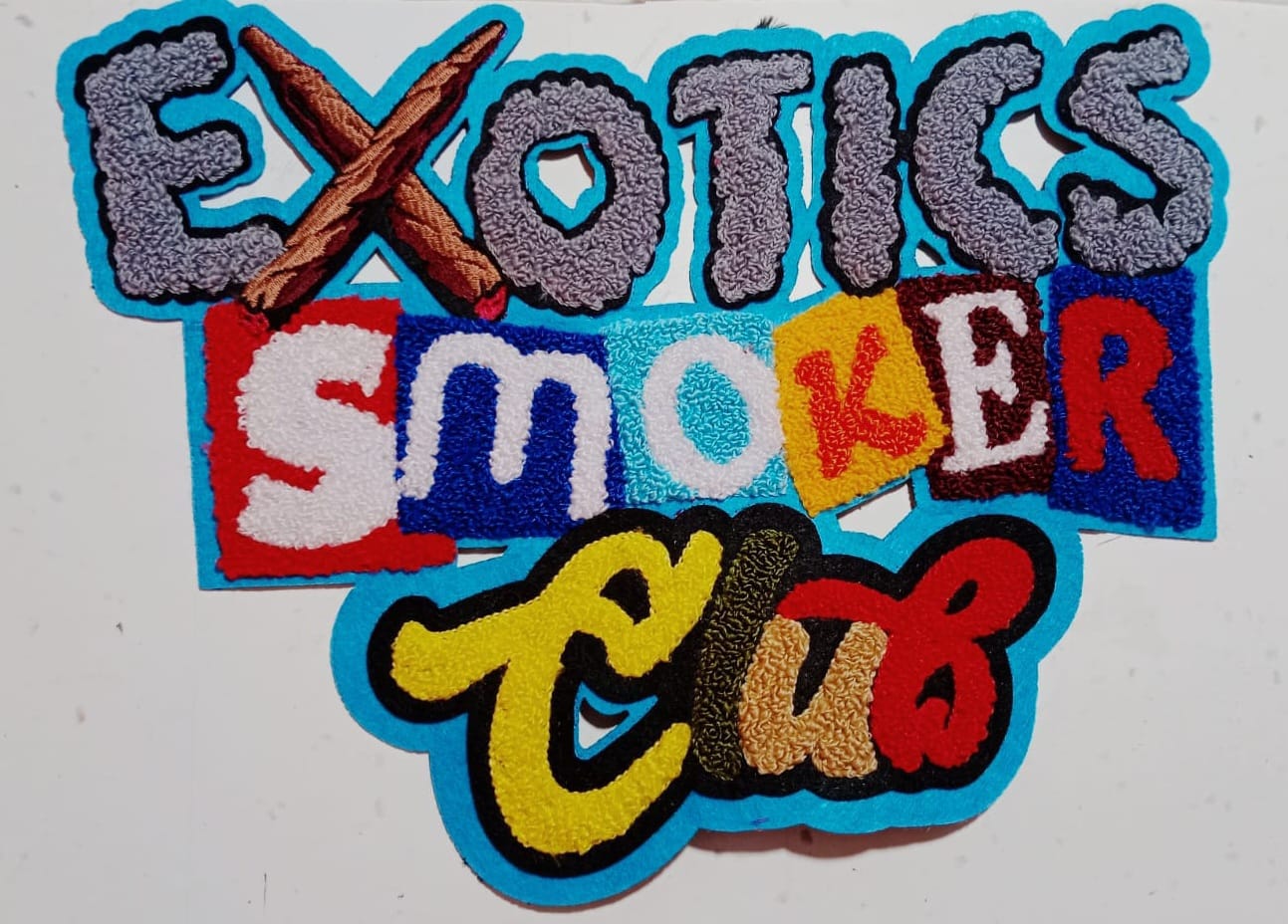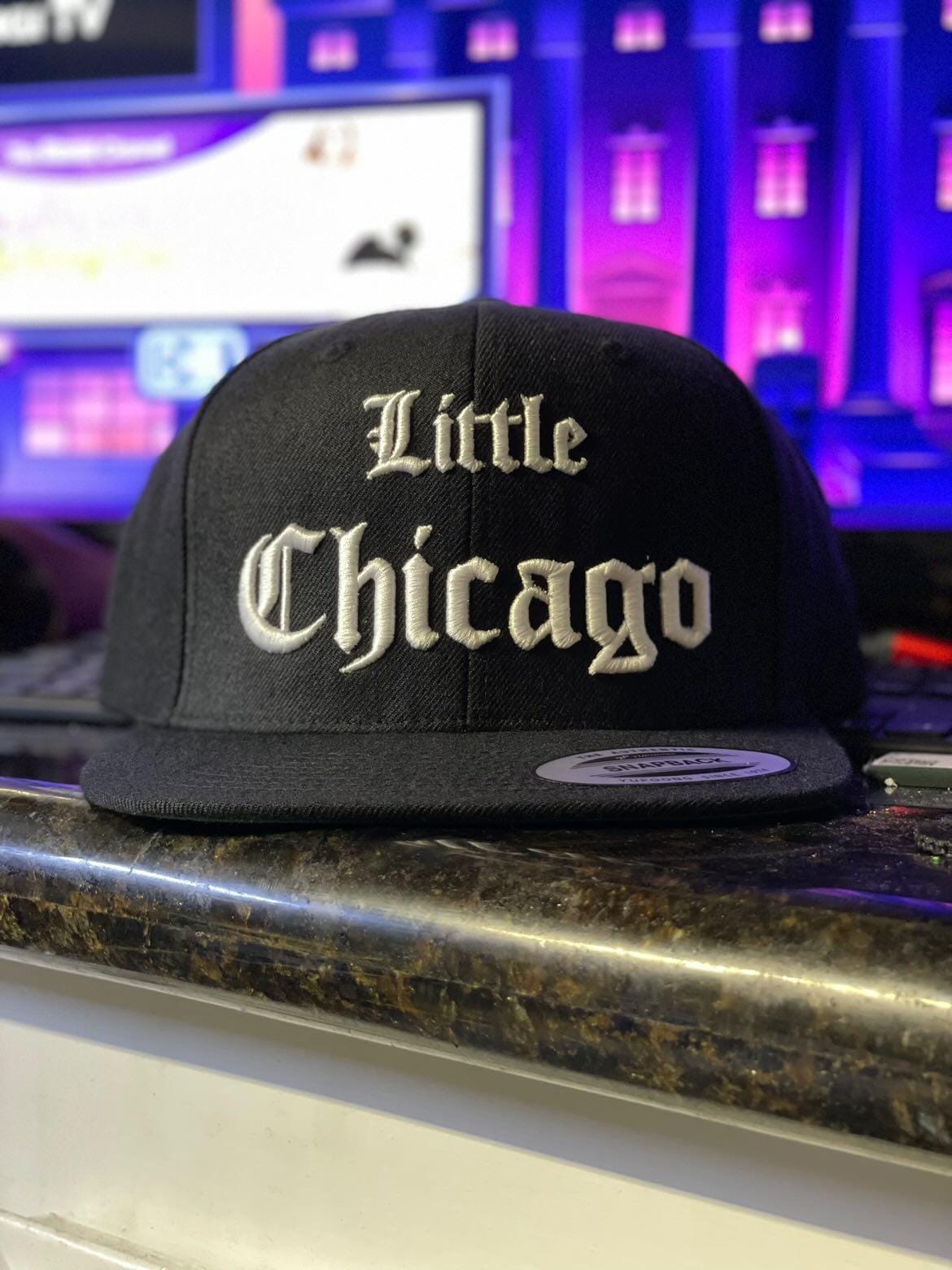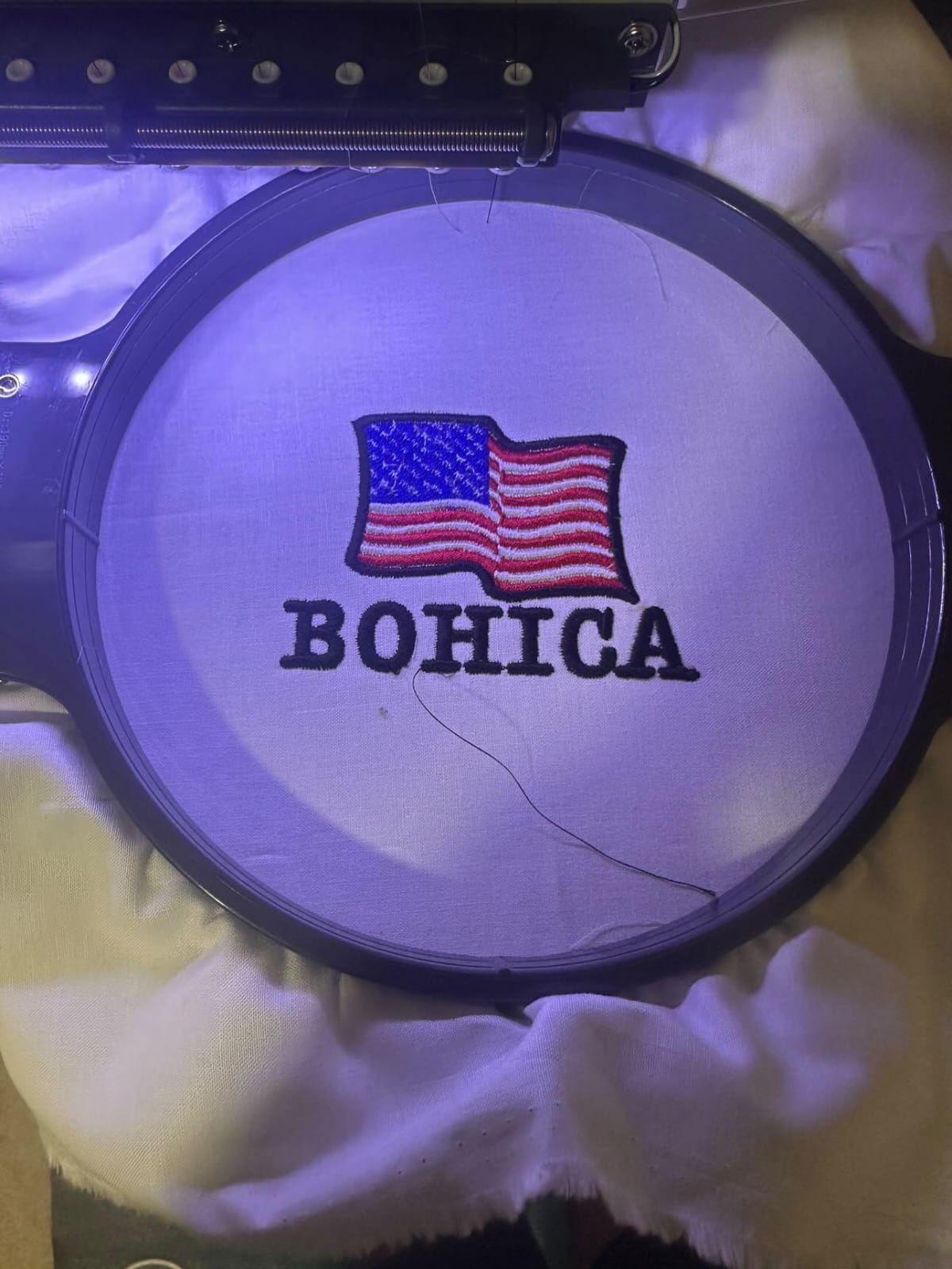
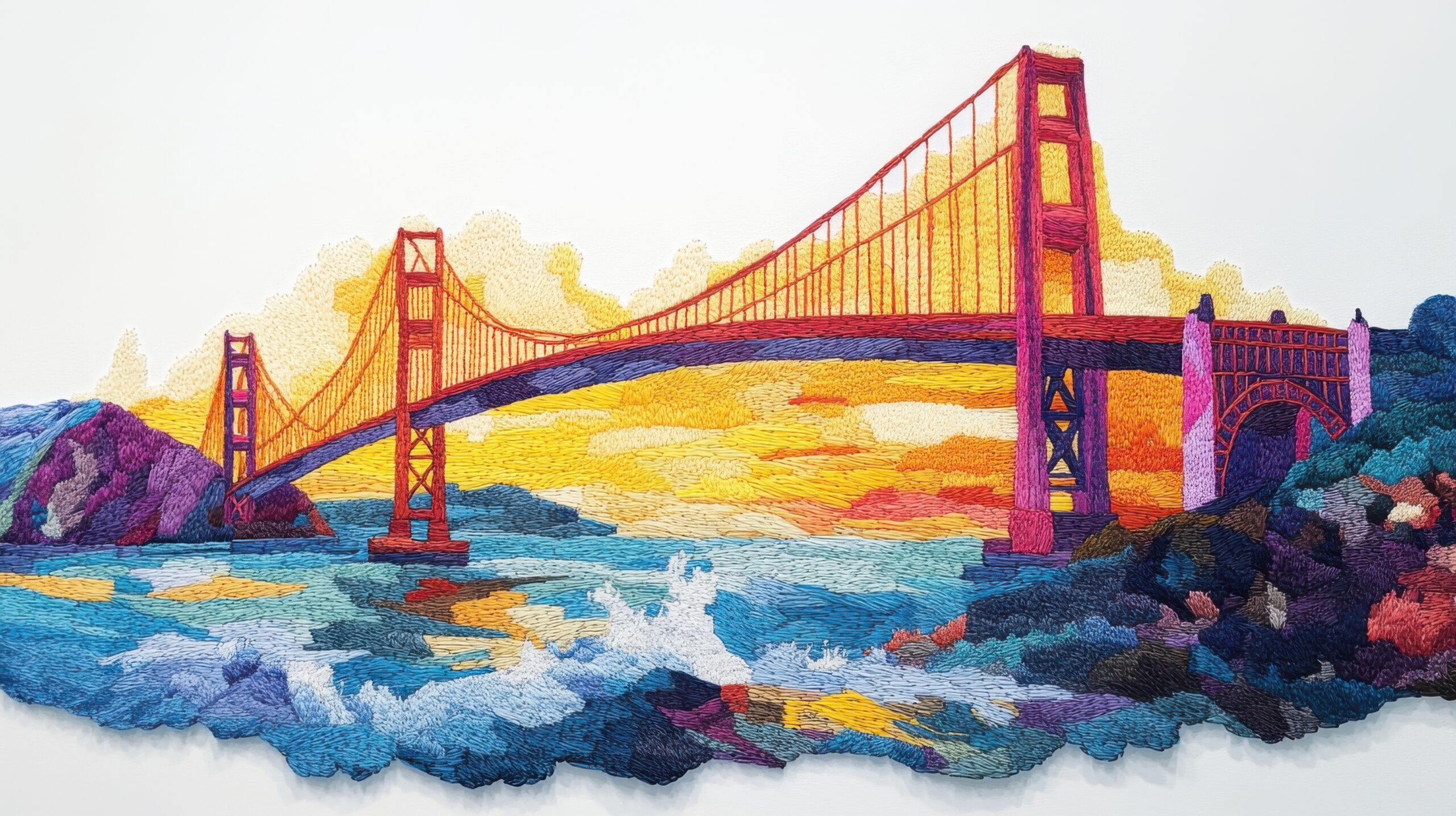

Image embroidery has transformed the way people preserve memories and showcase branding. From detailed portrait stitching to commercial logo work, this technique turns digital images into textured, long-lasting thread art. Unlike traditional decorative embroidery, embroidery image focuses on replicating real photos, gradients, and fine details using advanced digitizing and stitching methods.
In today’s market, businesses and individuals are increasingly choosing custom image embroidery to create personalized gifts, branded apparel, and framed keepsakes. When compared with standard decorative embroidery tutorials that mainly focus on hobby techniques, professional image embroidery goes a step further by combining precision software, thread science, and fabric compatibility to achieve realistic results.
What Is Image Embroidery?
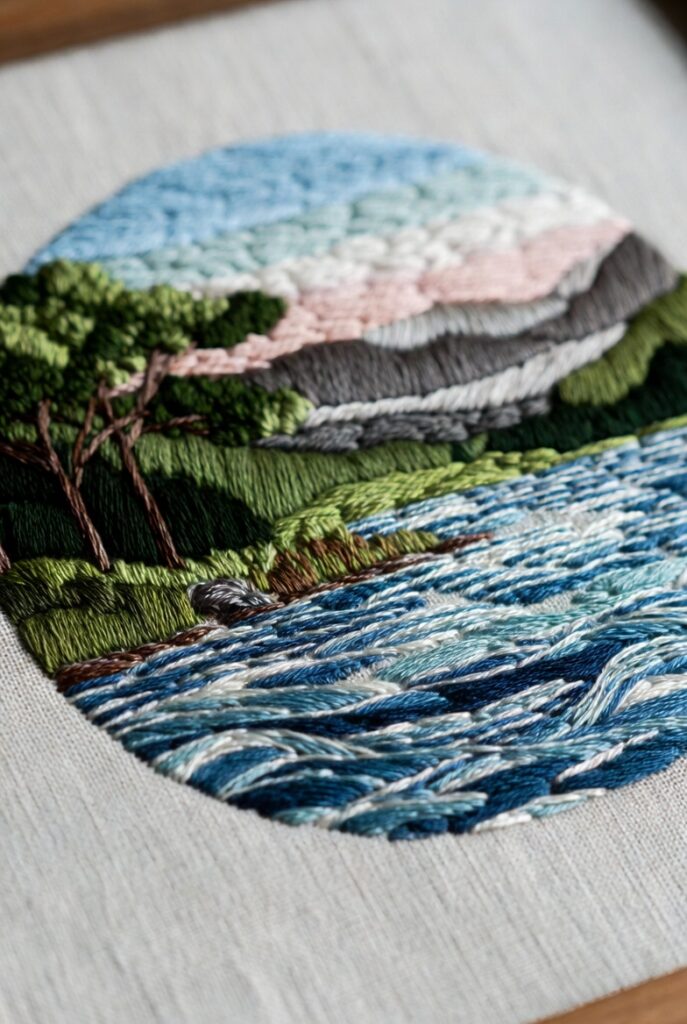
Image embroidery is the process of converting a photograph, artwork, or logo into a stitch file that an embroidery machine can read. The design is carefully digitized so that thread direction, density, and layering recreate the original image as closely as possible.
Unlike hand-guided picture embroidery techniques often explained in craft-based guides, professional image embroidery uses:
- High-resolution digitizing software
- Layered stitch mapping
- Thread blending for shading
- Fabric-specific adjustments
This ensures sharper outlines, smoother gradients, and better durability on garments, patches, and promotional products.
How Image Embroidery Differs from Standard Photo Embroidery Guides
Many online guides focus on creative embroidery techniques such as thread painting and manual shading. While these methods are excellent for artistic expression, commercial and large-scale projects require a more structured approach.
Here’s how professional services differ:
| Hobby-Based Photo Embroidery | Professional Image Embroidery |
| Manual stitching techniques | Machine-digitized precision |
| Limited scalability | Bulk production possible |
| Time-intensive | Fast turnaround |
| Suitable for crafts | Ideal for branding & resale |
For businesses, consistency is key.As a result, companies rely on image embroidery & screen printing solutions to enhance uniforms, promotional clothing, and custom merchandise with both durability and visual appeal.The Process of Custom Image Embroidery
Creating high-quality embroidered images involves multiple technical steps:
1. Image Assessment
Not every photo is embroidery-ready. Clear contrast, defined edges, and balanced lighting help achieve better stitch clarity.
2. Digitizing
The image is converted into a machine-readable format. Stitch types such as satin, fill, and running stitches are strategically assigned.
3. Thread Mapping
Professional digitizers select thread shades that mimic gradients and skin tones for realistic effects.
4. Fabric Testing
Different fabrics (cotton, polyester, denim) respond differently to stitch density. Adjustments prevent puckering and distortion.
5. Production & Finishing
The final embroidery is stitched, trimmed, and inspected for quality control.
This structured approach ensures better results compared to general embroidery tutorials that focus mainly on technique rather than production consistency.
Why Businesses Choose Image Embroidery & Screen Printing
While embroidery adds texture and durability, screen printing offers bold color coverage. Combining image embroidery & screen printing allows brands to:
- Create layered designs
- Mix texture with flat graphics
- Reduce production costs on bulk orders
- Enhance brand visibility
For example, a jacket may feature embroidered logos on the chest and screen-printed graphics on the back. This hybrid approach delivers both premium feel and cost efficiency.
Benefits of Custom Image Embroidery
1. Durability
Unlike printed designs that may fade, embroidered images withstand washing and heavy use.
2. Premium Appearance
Thread adds dimension and texture, elevating brand perception.
3. Versatility
Suitable for apparel, hats, patches, framed art, and corporate merchandise.
4. Personalization
Perfect for memorial portraits, pet images, wedding keepsakes, and custom gifts.
5. Scalability
Machine embroidery allows bulk production without losing consistency.
Challenges in Image Embroidery
Despite its advantages, there are technical considerations:
- Overly detailed photos may lose clarity
- Excessive stitch density can cause fabric puckering
- Color matching requires expertise
- Larger designs increase production cost
Professional digitizing minimizes these risks by optimizing stitch direction and density.
FAQs
1. What type of images work best for embroidery?
Clear, high-contrast images with defined outlines produce the best results. Simple backgrounds help maintain detail.
2. Is custom image embroidery expensive?
Costs depend on size, stitch count, and fabric type. Larger, detailed designs typically require more stitching time.
3. Can image embroidery be combined with screen printing?
Companies choose embroidery & screen printing solutions to create long-lasting, high-impact apparel without exceeding their budget.
4. How long does production take?
Turnaround varies by order size, but professional services often complete digitizing within 24–48 hours.
5. Does embroidery last longer than printing?
Yes. Embroidery is generally more durable and resistant to fading compared to standard printing methods.
Final Thoughts
Image embroidery blends creativity with technical precision. While hobby-based guides focus on artistic stitching methods, professional embroidery services emphasize digitizing accuracy, scalability, and fabric compatibility. Whether you’re creating personalized keepsakes or branded merchandise, custom image embroidery offers durability, texture, and premium appeal.
For businesses especially, integrating image embroidery & screen printing can maximize both visual impact and cost efficiency. Choosing the right approach depends on your design complexity, budget, and intended use — but when executed correctly, embroidered images stand out as timeless, high-quality creations.