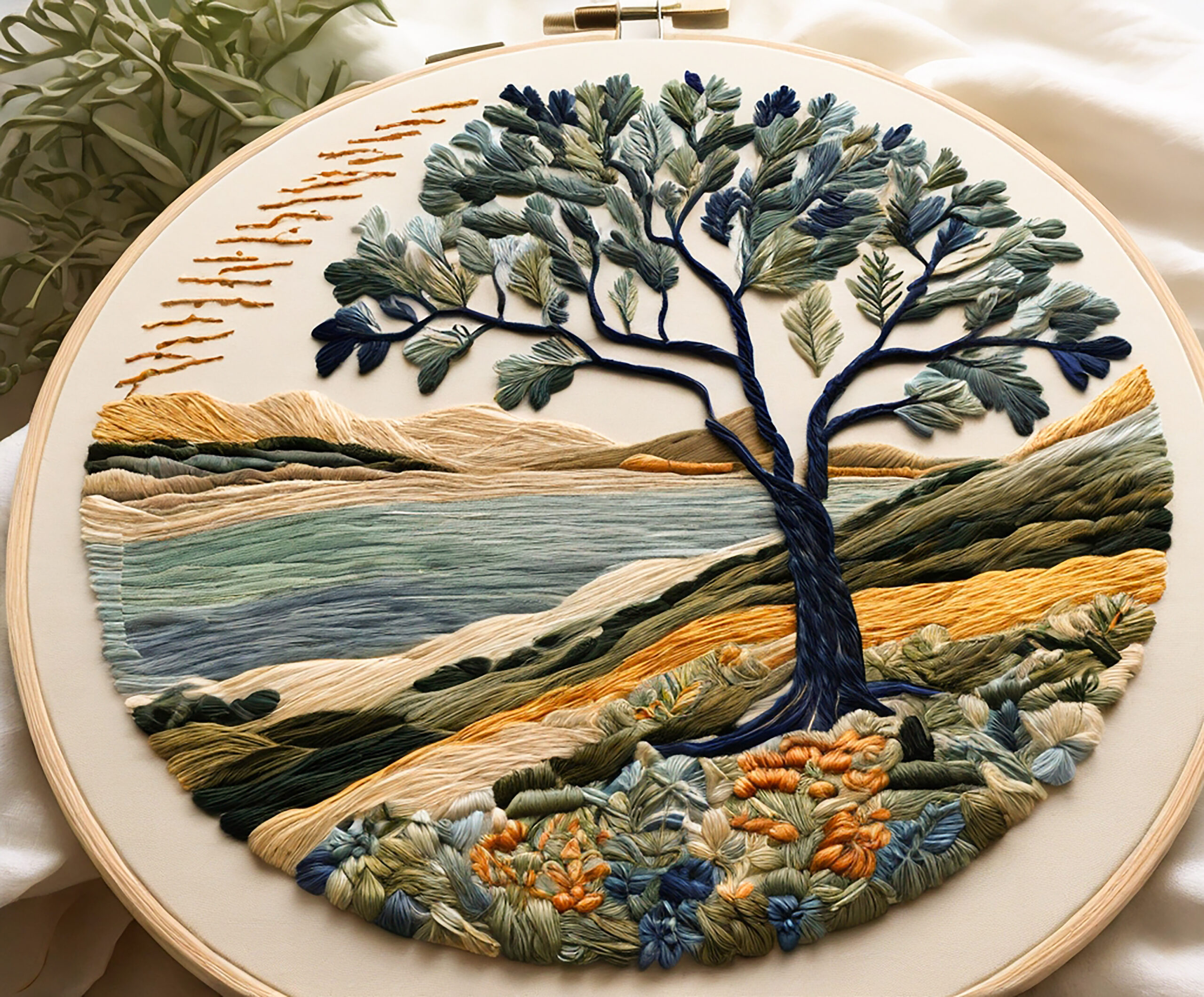

Embroidery artwork has evolved from a traditional handcraft into a powerful form of creative expression used in fashion, branding, home décor, and contemporary art. Today, embroidery is no longer limited to floral patterns or decorative linens—it represents a fusion of craftsmanship, storytelling, and modern design trends.
When analyzing embroidery-focused creative blogs in the industry, especially project-based artistic platforms, it becomes clear that embroidery can be approached in two main ways: personal artistic expression and structured design-focused execution. This blog explores both approaches while highlighting how artwork design continues to grow in versatility and commercial appeal.
The Artistic Approach to Embroidery Artwork
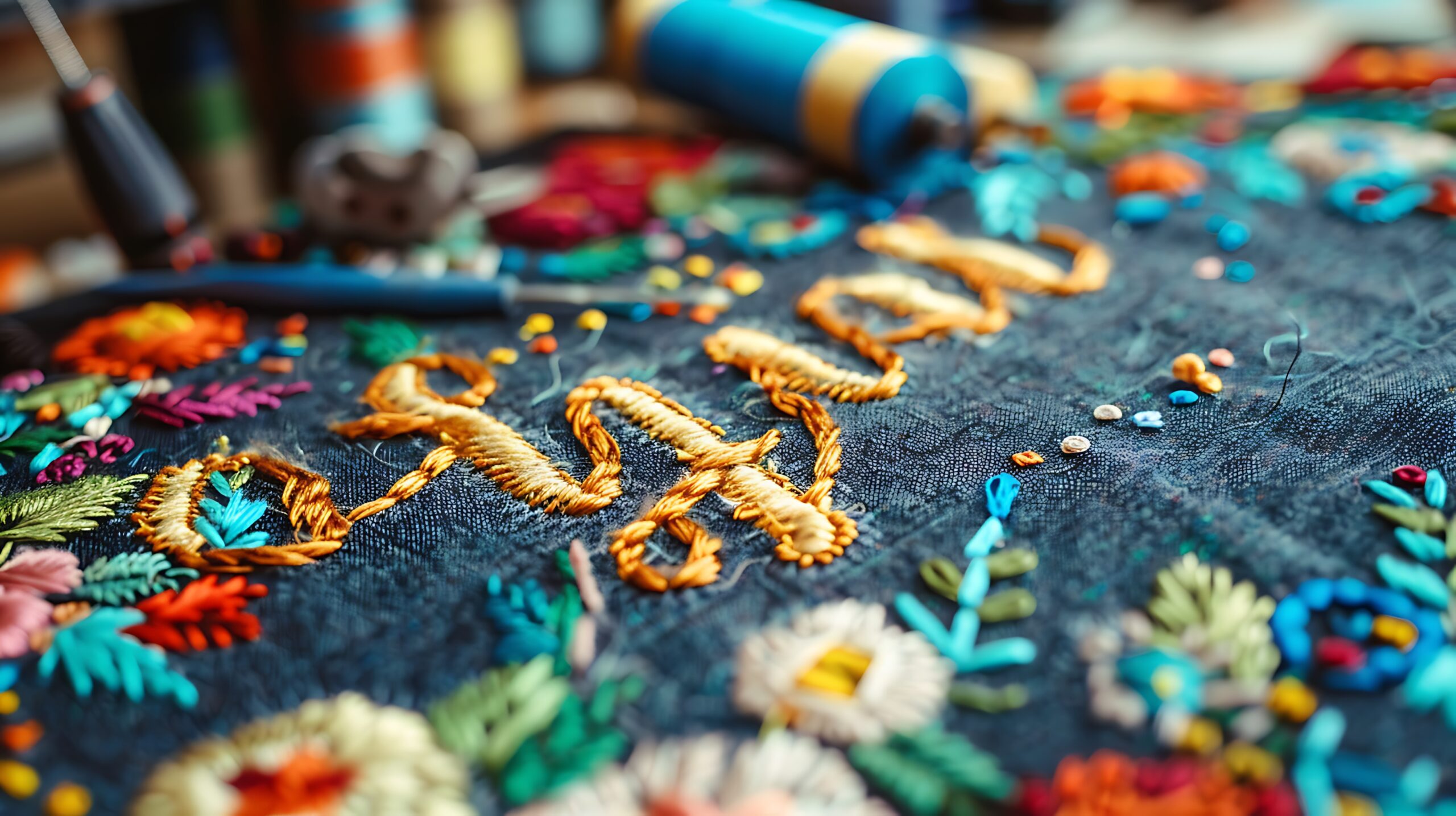
Many embroidery blogs focus heavily on storytelling and creative exploration. This approach treats embroidery as an art form first and a craft second. Designs often feature:
- Hand-drawn concepts
- Free-motion stitching
- Experimental textures
- Mixed materials
- Emotional or narrative themes
This method appeals to hobbyists and artists who value originality and self-expression. The embroidery artwork design in such projects emphasizes uniqueness over precision. Imperfections are embraced as part of the handmade charm.
While this style builds strong artistic identity, it may not always align with commercial scalability or production efficiency.
The Structured Design Approach
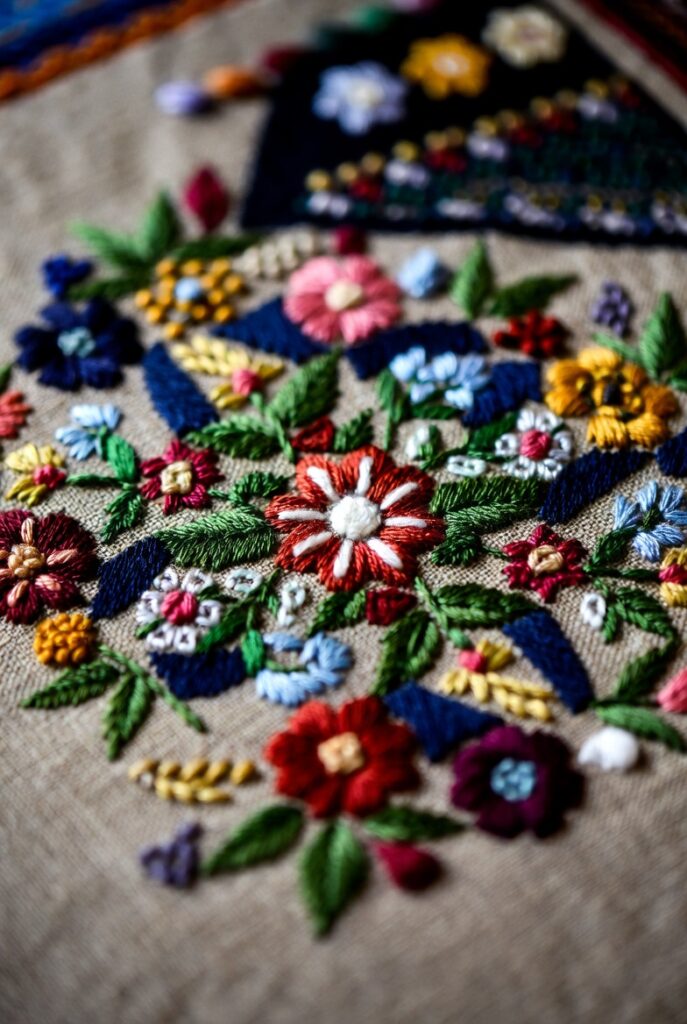
In contrast, a more structured approach to embroidery artwork focuses on:
- Clean line work
- Balanced compositions
- Digitally prepared designs
- Reproducible patterns
- Professional finishing
This style of embroidery design is commonly used for branding, logos, apparel decoration, and commissioned pieces. Unlike purely experimental embroidery, structured design emphasizes accuracy, color planning, stitch density, and fabric compatibility.
This approach ensures consistency across multiple pieces—an important factor for businesses, merchandise creators, and fashion labels.
Key Differences in Creative Focus
When comparing artistic embroidery blogs with structured embroidery design strategies, several distinctions become clear:
1. Purpose
Art-focused embroidery highlights storytelling and emotion.
Design-focused embroidery prioritizes clarity, branding, and precision.
2. Planning
Creative blogs often showcase spontaneous or evolving designs.
Structured embroidery artwork design begins with sketches, digitizing, and stitch mapping.
3. Audience
Artistic embroidery attracts craft lovers and DIY communities.
Professional embroidery appeals to brands, entrepreneurs, and designers.
Both styles are valuable. The difference lies in intent and execution.
Modern Trends in Embroidery Artwork Design
Embroidery design has expanded significantly in recent years. Current trends include:
- Minimalist line embroidery
- Typography-based stitched quotes
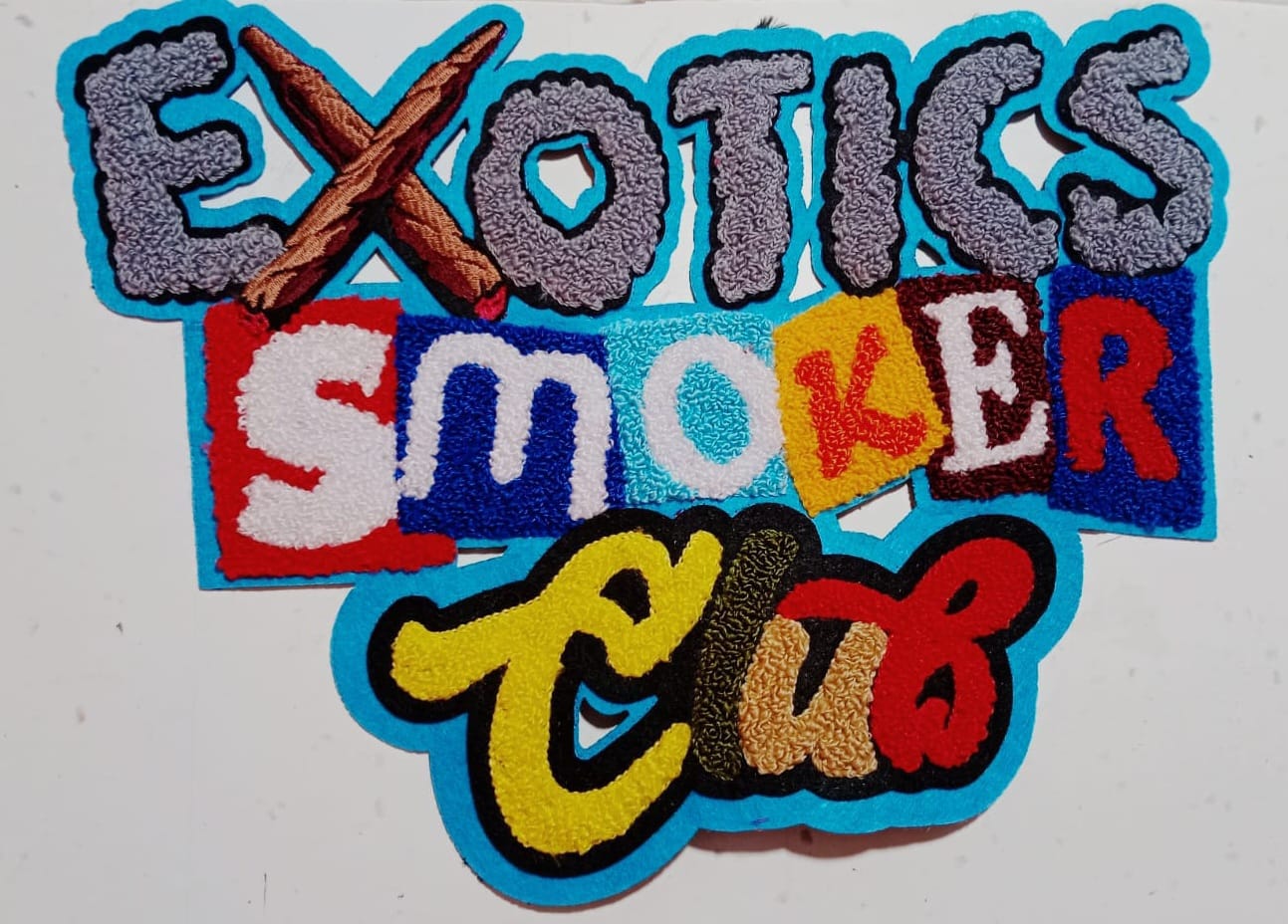
- 3D textured stitching
- Abstract and geometric embroidery
- Nature-inspired patterns
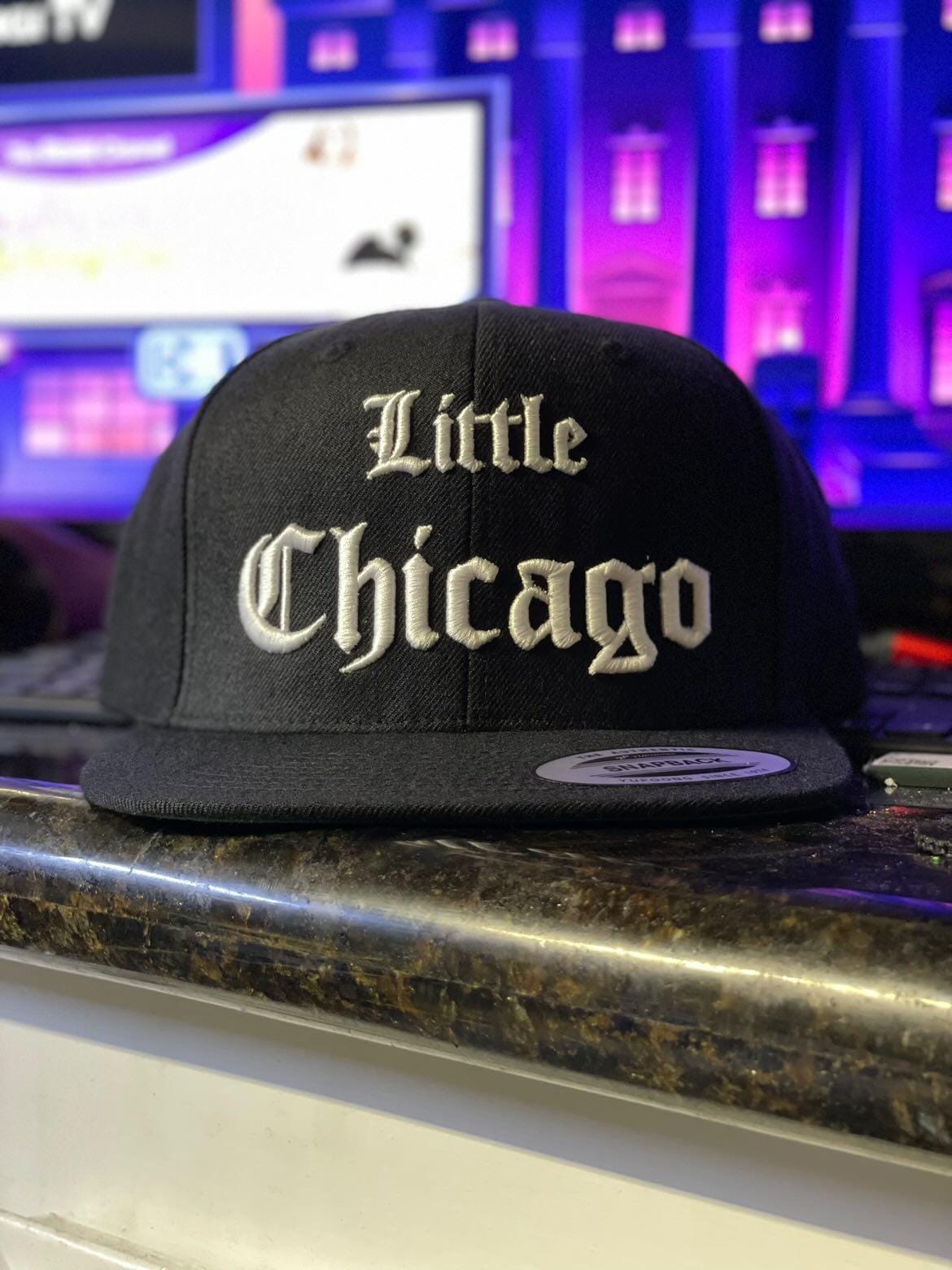
- Monogram and logo embroidery
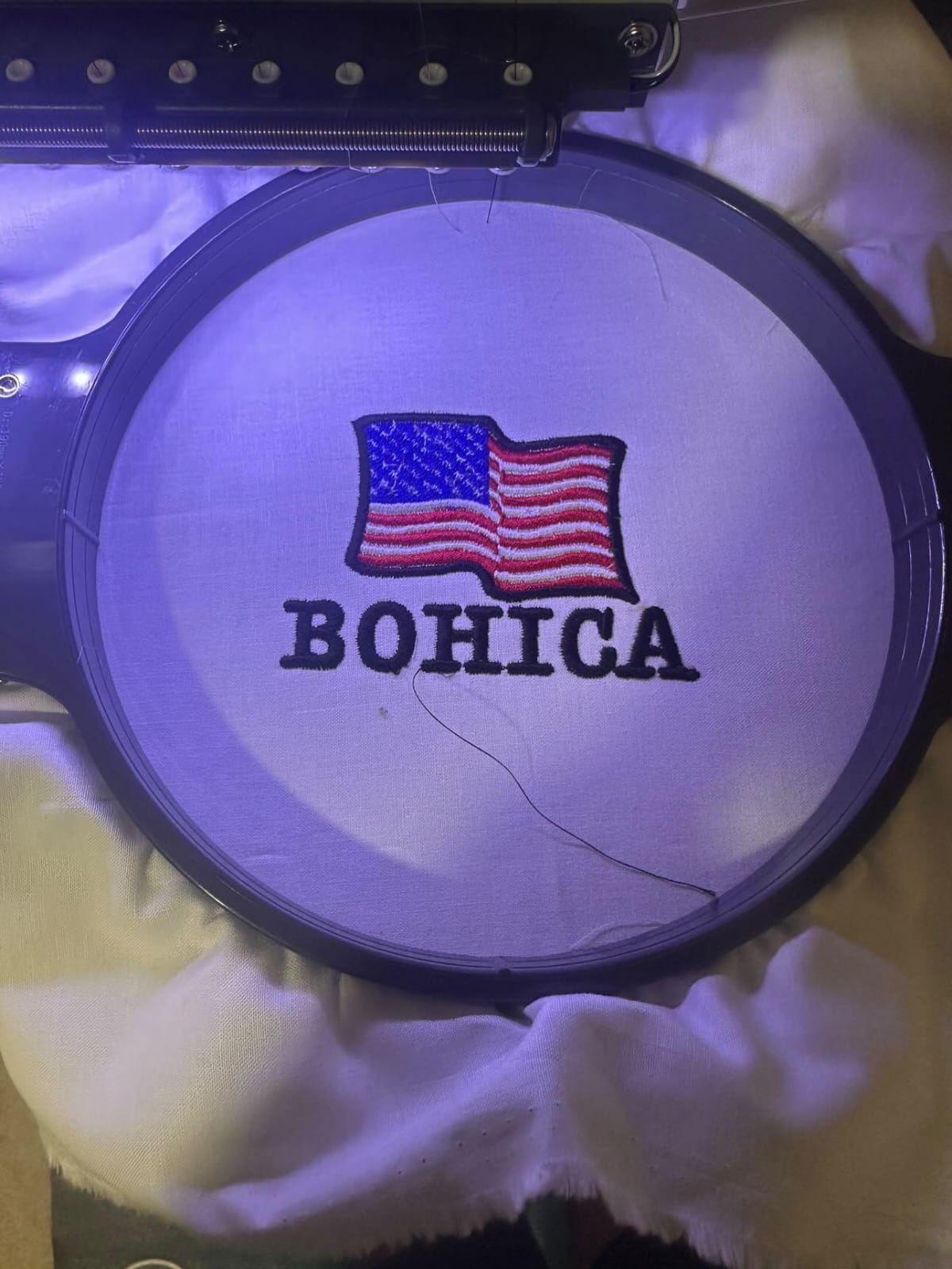
Digital tools now allow artists to preview stitch paths, adjust densities, and test thread colors before production. This blend of creativity and technology has transformed embroidery artwork from a purely handmade craft into a scalable design service.
Why Professional Embroidery Artwork Matters
For individuals and businesses alike, professional embroidery artwork design offers several advantages:
✔ Precision
Clean stitches and accurate detailing enhance the overall visual impact.
✔ Durability
Proper stitch planning prevents fabric damage and ensures long-lasting results.
✔ Scalability
Digitized designs can be reproduced consistently across garments and materials.
✔ Brand Identity
Custom embroidery artwork strengthens recognition through logos and custom graphics.
Compared to hobby-focused embroidery projects, structured embroidery design ensures quality control and repeatability—especially important for commercial use.
Balancing Creativity and Professionalism
The strongest embroidery today often blends both worlds. Designers are increasingly combining artistic storytelling with professional execution.
For example, an embroidered portrait may begin as a hand-drawn sketch but is later refined for stitch balance and fabric compatibility. This hybrid approach allows embroidery artwork design to maintain emotional depth while achieving technical excellence.
FAQs
What is embroidery artwork?
Embroidery artwork refers to decorative or artistic designs created using thread stitched onto fabric. It can be handmade or digitally designed for machine embroidery.
What makes artwork design different from basic embroidery?
Artwork design involves intentional planning, composition balance, color coordination, and stitch mapping. Basic embroidery may focus more on simple patterns without detailed design structure.
Is embroidery artwork only handmade?
No. While traditional embroidery is hand-stitched, modern embroidery design often uses digital tools to prepare designs for embroidery machines.
Can embroidery artwork be used for branding?
Yes. Many businesses use embroidery artwork design for logos, uniforms, caps, and promotional merchandise because it provides a professional and durable finish.
What fabrics are best for embroidery artwork?
Cotton, linen, denim, canvas, and polyester blends are commonly used. The choice depends on the design complexity and stitch density.
Final Thoughts
Embroidery artwork continues to evolve as both a creative passion and a professional design solution. While artistic embroidery blogs emphasize experimentation and storytelling, structured artwork design focuses on precision, scalability, and commercial value.
The most impactful embroidery today merges these approaches—combining creativity with technical expertise. Whether you are an artist exploring stitched illustrations or a brand seeking polished logo embroidery, investing in thoughtful embroidery artwork design ensures results that are both visually striking and long-lasting.