🎉 New Customers: Get 7% OFF — Use Code FIRST7
⚡ Fast Turnaround Available — Start Your Order

Professional Logo Digitizing Service in USA
Are you looking for professional logo digitizing services in USA? We specialize in converting your logo and designs into high quality embroidery files that are compatible with all major embroidery machines. Whether you need digitizing for hats, shirts, jackets, uniforms, or campaigner items, our expert team ensures correct sewing accuracy and rapid change. With years of experience, we provide cheap logo digitizing in the United States without compromising on quality.
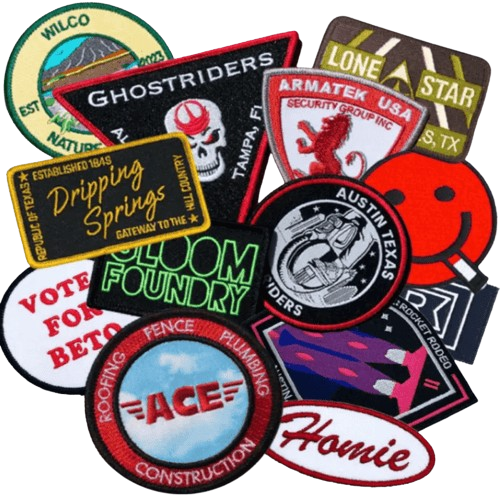
Applique Digitizing for Accurate Placement and Clean Borders
Turn your logo, lettering, mascot, monogram or original artwork into a clean applique file built for your embroidery machine, fabric and finished product. Rise Digitizing provides professional applique digitizing for US embroidery businesses and apparel brands.
Our digitizers plan each stage around the artwork, requested size, base garment, applique material and production method. You receive a file prepared for practical stitching, not a generic conversion made without considering how the design will run. Send us your artwork and production details to request a quote.
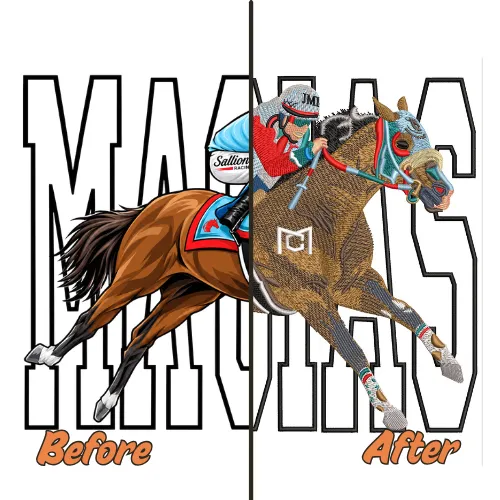
Single Layer and Multilayer Applique
What Is Applique Digitizing?
Applique digitizing is the process of creating machine instructions that attach one fabric shape to another with embroidery stitches. Instead of filling the entire design with thread, the machine uses a cut piece of fabric for part of the color and surface coverage. Stitches position the insert, hold it in place and finish its edge.
A typical machine sequence contains three important parts:
- Placement stitch: A light running line shows where the applique fabric should be positioned.
- Tack-down stitch: A second line secures the applique material to the base garment before trimming or final coverage.
- Cover stitch: A satin, zigzag, blanket or other border covers and protects the cut edge according to the chosen style.
The exact sequence changes when the job uses precut pieces, laser-cut fabric, multiple applique layers or an in-the-hoop trimming method. A qualified digitizer must also decide the stitch order, entry and exit points, border width, corner treatment, overlaps, travel paths and any supporting underlay. Those decisions affect registration, appearance and production time.
How it works
We received your order along with all relevant details.
You'll get confirmation email after we review your submission.
Our specialists will digitize your files with expertise.
After quality check we'll send you all required files via email.
We look forward to receiving your feedback and experience.
Applique Digitizing Built Around Your Actual Job
Every job begins with the finished product. A left-chest applique on a polo does not behave like a large applique on a sweatshirt. A soft jersey insert does not cut or hold like twill. A small monogram needs different border decisions than a wide team name across a jacket.
For accurate applique digitizing, please tell us:
- The finished width and height
- The base garment or item
- The applique fabric
- Your embroidery machine brand or required file format
- Whether the insert will be precut or trimmed in the hoop
- Whether you need placement, tack-down and cover-stitch stops
- Your preferred border style
- Any color sequence or production instructions
If the same artwork will run at several sizes or on substantially different products, mention each use. Resizing an embroidery file far beyond its intended dimensions can change stitch length, border coverage and registration. Separate files may be the safer production choice.
Our Applique Digitizing Process
Artwork and Production Review
We first examine the submitted logo or design for shapes, small gaps, narrow elements, tight corners, overlapping layers and details that may not translate well at the requested size. We also review the base garment and applique fabric because both materials influence stabilization, pull and border coverage.
If the source artwork is blurry, pixelated or difficult to separate into clean shapes, our vector artwork services can help prepare clear, scalable artwork before digitizing begins.
Shape and Layer Planning
The digitizer identifies which areas should use fabric and which details should remain stitched. Large filled sections often work well as applique, while tiny features may be clearer as satin stitches, running stitches or simplified embroidery. For multilayer designs, the order must allow each fabric piece to be placed and secured without covering a later placement line.
Placement and Tack Down Setup
The placement line needs to be visible and easy to follow without adding unnecessary needle penetrations. The tack-down must hold the applique fabric securely enough for trimming and final stitching. Its position is planned so the finishing border covers it rather than leaving a visible line outside the edge.
Border Construction
The final border is selected according to the desired appearance, design scale and material behavior. Satin borders offer a smooth, familiar finish. Zigzag and blanket-style borders can produce a more open or decorative result. Border width, density, compensation, cornering and overlap are adjusted so the edge has practical coverage without becoming unnecessarily stiff.
Sequence and Path Optimization
A good applique digitizing sequence makes the file easier to run. We arrange placement stops, fabric changes, tack-downs, embroidered details and finishing borders in a logical order. Travel paths are controlled to reduce avoidable jumps, trims and movements across exposed areas.
File Review and Delivery
Before delivery, the file is checked for sequence, color stops, object order, unwanted jumps and format requirements. The delivered format is based on the machine information supplied with the order. You should still run a sample before starting full production, especially when the final garment is expensive, stretchy, textured or difficult to replace.
Types of Custom Applique We Digitize
Our applique digitizing service supports single-piece and multilayer custom applique for many products and design styles. Common projects include:
- Business and organization logos
- School names, initials and mascots
- Team names, player numbers and sports graphics
- Greek letters and collegiate-style lettering
- Monograms and personalized gifts
- Children’s clothing and nursery items
- Sweatshirts, hoodies and jackets
- Tote bags, blankets and home textiles
- Uniforms and workwear
- Fashion graphics and decorative motifs
- Patches and emblems
- Holiday and event designs
In applique digitizing, the best method depends on the artwork and final size. When a detail is too narrow to cut cleanly or cover with a stable border, simplifying or stitching it may give a better result. We assess the design as embroidery rather than tracing every pixel.
Precut Applique and In the Hoop Trimming
There are two common production approaches, and the digitized sequence must match the chosen method.
Precut Applique Pieces
Precut pieces are prepared before embroidery with a cutter, laser or template. The operator places the shaped fabric inside the placement line and runs the tack-down. This method can improve consistency on repeated orders when the cutting process is accurate. Registration marks, placement tolerance and any adhesive method should be considered during setup.
Trim in Place Applique
For trim-in-place production, the operator places a piece of fabric over the placement area, runs the tack-down and trims close to that line before the cover stitch. The file needs clear stops and enough physical access for safe, accurate trimming. Closely packed shapes and narrow recesses can make trimming difficult, so the artwork may require adjustment.
Tell us which workflow you use when ordering applique digitizing. A file planned for precut inserts may not provide the same operator guidance as one designed for manual trimming in the hoop.
Satin Zigzag and Decorative Border Options
Satin Stitch Border
A satin stitch creates a smooth band that covers the fabric edge. It is a popular choice for logos, letters, numbers and traditional applique. The border must be wide enough to tolerate normal fabric movement and cutting variation. Very narrow satin borders leave less room for error, while excessively wide borders can become heavy or unstable.
Zigzag Border
A zigzag finish uses more open coverage and can create a lighter, casual appearance. It may suit decorative work where a fully covered edge is not required. The selected spacing must still hold the fabric and support the intended look after washing and use.
Blanket and Motif Borders
Blanket stitches and other decorative edges can become part of the design. They require a clean cut edge because they do not hide the material as fully as a dense satin border. When customers request a handcrafted style, decorative machine embroidery applique can be an effective option if the artwork and fabric support it.
Fabric Choice for Applique Embroidery
The insert fabric changes how the design looks, cuts and stitches. Twill is widely used because it is stable, durable and available in many colors. Felt is easy to cut and can create a soft or dimensional appearance, but its thickness must be considered. Cotton prints add color and pattern, although lightweight woven fabric may benefit from fusible backing to control fraying and shifting.
Stretch knits can work, but they need careful stabilization and handling. Denim provides weight and texture, while faux leather may require fewer penetrations and wider spacing to avoid perforating the material. Glitter, metallic and specialty fabrics can produce strong visual effects but may need testing for needle marks, cracking, heat sensitivity or edge behavior.
The base garment matters just as much. A stable jacket panel usually controls movement better than a thin performance shirt. Sweatshirt fleece can compress under dense borders, and textured fabrics may need additional support. We use the information you provide to plan applique digitizing, but the production shop remains responsible for selecting suitable materials and testing the completed setup.
How Applique Can Reduce Stitch Count
Applique digitizing can replace a large filled area with fabric and reduce fill stitches. This may shorten machine time, decrease thread use and create a lighter piece. Actual savings depend on the size, border, details, layers and required stops. Applique is not always faster because placement and trimming add operator time.
The method works especially well for bold areas that would otherwise need broad tatami fills. It may be less efficient for many tiny isolated shapes or designs with difficult trim access. Our digitizers consider both appearance and production flow when planning applique embroidery.
Applique Compared With Fully Stitched Embroidery
Fully stitched embroidery builds the visible design primarily with thread. Applique replaces selected areas with fabric and uses stitches to attach and finish those pieces.
Production factor | Applique | Fully stitched embroidery |
Surface coverage | Fabric provides major color areas | Thread provides most coverage |
Stitch count | Often lower on large filled shapes | Often higher on large filled shapes |
Operator involvement | May require placing and trimming fabric | Usually fewer manual placement steps |
Texture | Combines fabric and thread | Created mainly through stitch types and direction |
Best use | Bold shapes, numbers, letters and layered graphics | Fine stitched details, gradients and compact logos |
Applique digitizing is not universally better than full embroidery. The right choice depends on the design, quantity, material, equipment and desired finish. Some jobs combine an applique insert for the main shape with conventional embroidery for small details.
Common Digitizing Problems We Plan to Prevent
Border Misses the Fabric Edge
The final border may expose the base garment when the insert shifts, the fabric pulls or the border lacks enough coverage. Correct sequencing, suitable compensation and realistic border width reduce this risk. Accurate hooping and trimming remain essential during production.
Visible Tack Down Stitches
Tack-down stitches should normally sit beneath the finishing edge. A misplaced or overly wide tack-down can remain visible after the cover stitch. In professional applique digitizing, the tack-down path is coordinated with the border rather than treated as a separate traced outline.
Puckering Around the Design
Puckering can result from excessive density, unsuitable stabilization, poor hooping, tension problems or too much pull around the border. The file should avoid unnecessary penetrations and use settings appropriate for the materials, but operators must also prepare the garment correctly.
Gaps at Corners and Joins
Corners require controlled stitch angles and sufficient overlap. Sharp points can create thread buildup, while weak joins can leave exposed fabric. The digitizer balances coverage with manageable density and adapts the corner treatment to the design.
Too Many Stops and Trims
Poor applique digitizing sequence planning slows production and creates more handling. A streamlined file groups logical objects, limits unnecessary movements and preserves the correct construction order. Some stops are required for placement and trimming, so the goal is an efficient sequence rather than an unrealistic zero-stop file.
Machine Embroidery Applique for Different Products
Sweatshirts Hoodies and Jackets
These items are popular for large names, mascots, numbers and fashion graphics. Their heavier material can support larger designs, but seams, pockets, zippers and fleece thickness affect hooping and placement. Tell us if the design crosses a zipper or other structural feature so the artwork can be assessed before digitizing.
T Shirts and Performance Wear
Lightweight or stretchy garments can distort beneath heavy borders. A stable applique insert does not remove the need for proper backing, hooping and balanced settings. The design may need lighter supporting stitches and a production test on the actual shirt.
Uniforms and Team Apparel
Repeatability is important when the same emblem or number runs across many garments. Confirm the standard size, placement and garment types. If the order includes youth and adult sizes, separate design sizes may preserve proportions and border quality better than aggressive machine scaling.
Bags Blankets and Home Textiles
Thick seams, lining, pile and limited hoop access can affect these products. Provide a photo or clear item description when the construction is unusual. This helps us prepare machine embroidery applique around realistic production conditions.
Patches and Emblems
Applique can become part of a patch design by supplying a bold fabric area beneath embroidered outlines and details. Patch borders, backing and finishing methods have their own requirements, so specify whether the job is a direct garment applique or a separate emblem.
File Formats for Popular Embroidery Machines
We can prepare commonly requested machine formats based on the information in your order. These may include DST, PES, EXP, JEF, VP3, HUS, XXX and other formats used by commercial and home embroidery systems. Availability should be confirmed when you submit the job.
An embroidery format is not interchangeable with source artwork such as JPG, PNG, PDF, AI, EPS or SVG. Artwork files describe the visual design. Machine files contain stitch commands, stops, color changes and movement data. Converting the filename extension does not create a properly digitized design.
If you need broader logo or stitch-file support beyond applique, visit our embroidery digitizing company page. For raised foam lettering and cap designs, review our 3d puff embroidery digitizing service.
What to Send With Your Order
Clear instructions help us create a file that matches your equipment and production plan. Send:
- The highest-quality artwork available
- Exact finished dimensions
- Base garment type and fabric
- Applique insert material
- Machine format
- Precut or trim-in-place method
- Border preference
- Required colors and sequence notes
- Placement information
- Reference photos when useful
- Any previous sew-out that shows a problem to correct
Avoid stating only “standard size.” A standard left-chest width for one customer may be unsuitable for another logo or garment. Exact dimensions allow us to judge minimum letter height, border width and cutting access before starting applique digitizing.
Quality Review Before Full Production
Always test a new design before running customer garments. Use the same or closely comparable base material, applique fabric, stabilizer, thread and needle planned for production. Watch the complete sequence rather than checking only the final appearance.
During the sample run, verify:
- Placement lines are clear and correctly ordered
- Fabric pieces fit the intended area
- Tack-downs hold without showing outside the border
- Trim access is practical
- Borders cover the cut edge
- Small details remain readable
- Registration stays consistent
- Corners do not create excessive buildup
- The garment lies flat after unhooping
- Required stops and color changes make sense to the operator
If a correction is needed, send photos of the full sew-out and close views of the problem. Include the material, backing, finished size and machine details. Specific production evidence helps a digitizer distinguish a file issue from hooping, tension, trimming or material behavior.
Why Choose Rise Digitizing
Rise Digitizing prepares embroidery files for businesses and embroiderers who need clear communication and practical production support. Our applique digitizing service focuses on the factors that determine whether the design can be placed, trimmed and finished efficiently.
With Rise Digitizing, you receive:
- Manual review of the artwork and job details
- A sequence planned around the chosen applique method
- Placement, tack-down and finishing stages organized for production
- Common embroidery formats based on your request
- Support for logos, lettering, numbers and multilayer artwork
- Revision communication when the sew-out identifies a digitizing adjustment
- Service for customers throughout the USA
The strongest results come from complete instructions and a realistic sample run. We encourage customers to provide the final materials and intended dimensions instead of relying on assumptions. This gives our team the information needed to prepare a more useful production file.
Frequently Asked Questions About Applique Digitizing
Applique digitizing creates the machine instructions used to place, secure and finish a fabric shape on a base garment. A standard sequence includes a placement line, a tack-down and a cover stitch. More complex designs may use several fabric layers, additional embroidery details and multiple stops.
Traditional embroidery uses thread to build most visible areas of a design. Applique uses fabric for selected areas and embroidery stitches to attach and finish those pieces. One project can combine both techniques.
You can submit clear raster or vector artwork, including commonly used JPG, PNG, PDF, AI, EPS or SVG files. A high-quality source image makes it easier to identify accurate shapes and details. If the artwork is unclear, vector cleanup may be recommended before digitizing applique embroidery.
No. Large size changes can affect stitch length, border width, coverage and alignment. Small adjustments may be possible in suitable software, but separate digitizing is often safer when the dimensions change substantially.
Yes. Multilayer applique digitizing can sequence separate placement lines, tack-downs, trims and finishing stitches for each insert. The artwork must provide enough space to place and trim the layers accurately.
It depends on the shape, finished size, fabric and border style. Very small pieces, tight interior spaces and thin elements can be hard to cut and cover. In those cases, stitched details or a simplified design may produce a cleaner result.
Precut inserts can improve consistency on repeated work when the cutting and placement systems are accurate. Trimming in the hoop is accessible for many shops but requires clear stops and enough room to trim. Your equipment, order volume and artwork should guide the choice.
Send your artwork with the finished size, base product, applique material, machine format, border preference and cutting method. Rise Digitizing will review the information and respond with the appropriate ordering steps.
Order Custom Applique Digitizing From Rise Digitizing
Ready to convert your artwork into a machine-ready applique design? Send the image, exact size, garment, applique fabric, machine format and production method. We will review the job and provide the next steps.
Whether you need a single logo, recurring team designs or custom applique support for an apparel business, Rise Digitizing can prepare the stitch sequence around your workflow. Start with a quote, review the design details and test the delivered file before production.