🎉 New Customers: Get 7% OFF — Use Code FIRST7
⚡ Fast Turnaround Available — Start Your Order
Professional Logo Digitizing Service in USA
Are you looking for professional logo digitizing services in USA? We specialize in converting your logo and designs into high quality embroidery files that are compatible with all major embroidery machines. Whether you need digitizing for hats, shirts, jackets, uniforms, or campaigner items, our expert team ensures correct sewing accuracy and rapid change. With years of experience, we provide cheap logo digitizing in the United States without compromising on quality.
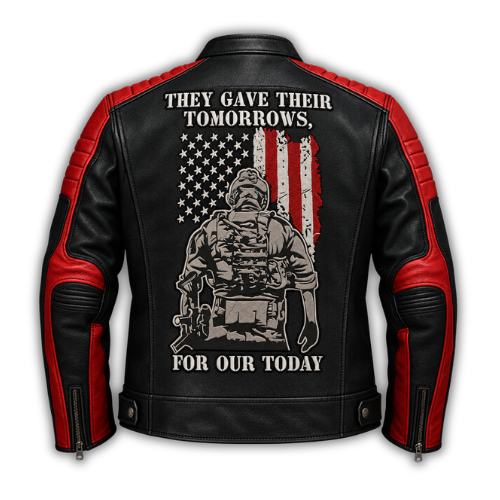
Jacket Back Digitizing for Large, Detailed Embroidery Designs
Jacket back digitizing turns your logo, artwork, lettering, or detailed design into a machine-ready embroidery file created specifically for the large back area of a jacket. Instead of simply enlarging a small embroidery file, we manually plan the stitches according to your artwork, final size, fabric, and embroidery requirements.
Our goal is simple. Create a clean embroidery file that is easier to run on your machine and accurately represents the original artwork.
- 1–3 Hour File Delivery
- 100% Manual Digitizing
- Unlimited Revisions
Why Choose Our Jacket Back Digitizing Services?
When you send us a jacket-back design, you are not just asking us to change the artwork into an embroidery format. You need a file designed to perform properly during production. Our professional jacket back digitizing services focus on three things: quality, speed, and flexibility.
Professional Jacket Back Digitizing for Large Embroidery Designs
A jacket back gives you much more space than a left chest, sleeve, or cap placement. That extra space creates opportunities for bold logos, mascots, business branding, team artwork, club designs, large lettering, and detailed graphics.
It also creates additional embroidery challenges.
With jacket back digitizing, the entire design must be planned for its final embroidery size. Large fills, long borders, detailed lettering, multiple colors, and overlapping elements can place significant amounts of thread across the garment.
If these elements are not planned correctly, the embroidered result can become too dense or stiff. Registration can also shift as stitching progresses across a large area.
Our digitizers manually create the stitch structure rather than relying on a quick automatic conversion. We evaluate how different parts of the artwork should be embroidered and create a stitch path suitable for the requested application.
How it works
We received your order along with all relevant details.
You'll get confirmation email after we review your submission.
Our specialists will digitize your files with expertise.
After quality check we'll send you all required files via email.
We look forward to receiving your feedback and experience.
Jacket Back Digitizing Built for Large-Format Embroidery
The larger an embroidery design becomes, the more carefully its stitch structure needs to be planned.
This is one reason jacket back digitizing requires more technical consideration than many smaller placements.
Several factors become especially important.
Balanced Stitch Density
Adding more stitches does not automatically improve embroidery quality.
Too much density can create unnecessary thread buildup. Depending on the garment, design, stabilization, and machine setup, an overly dense file may contribute to stiffness, puckering, thread breaks, needle problems, or longer production times.
Too little density creates the opposite problem. Fabric can show through areas that are supposed to have solid coverage.
Our approach is to balance density according to the design area and intended garment instead of applying the same value to every object.
Large backgrounds and fill areas may require a different approach from small details and borders.
This balance helps jacket back digitizing produce coverage without adding unnecessary stitches.
Proper Underlay for Better Stability
Underlay is the foundation beneath the visible top stitches.
Although customers usually do not see it in the finished embroidery, it can make a major difference in how the top stitching behaves.
Depending on the design and fabric, underlay can help stabilize the embroidery area, support top stitches, define edges, and improve coverage.
Different embroidery objects can require different underlay strategies.
There is no single underlay setting that is ideal for every jacket and every design.
Our expert jacket back digitizing services take the artwork and intended application into account when building this foundation.
Pull Compensation for Cleaner Edges
Thread creates physical forces as it is stitched into fabric.
As stitches form, the fabric and embroidery can pull in particular directions. On a large design, these effects may become more noticeable across wide embroidered areas.
Pull compensation allows a digitizer to account for this expected movement by adjusting embroidery objects where appropriate.
Without enough compensation, borders may not meet fills correctly or shapes may appear narrower than expected.
Too much compensation can also create unwanted results.
That is why compensation should be based on the design and application rather than applied as one fixed number to the whole file.
Professional jacket back digitizing uses controlled compensation to help maintain the intended shapes and registration.
Smart Stitch Direction
Stitch direction affects much more than appearance.
Changing the angle of stitches can help separate neighboring shapes visually, create dimension, influence light reflection, and control how different areas interact with the fabric.
Consider a large embroidered eagle, mascot, animal, or detailed brand mark.
If every section uses exactly the same stitch direction, the design can appear flat even if the original artwork contains several distinct shapes.
Changing stitch angles between suitable elements can give the embroidery more visual definition.
For large jacket-back artwork, stitch direction also forms part of the overall structural plan.
Efficient Stitch Sequencing
The order in which embroidery elements sew matters.
A poorly planned sequence can cause unnecessary jumps, trims, color changes, and movement around the design. It can also make registration more difficult as the embroidery progresses.
Our jacket back digitizing process considers how the machine should move through the artwork instead of simply following the visual layer order of the original image.
Whenever the artwork allows it, related objects can be organized to create a smoother production path.
For an embroidery business running multiple jackets, even small workflow improvements can become valuable across a complete order.
Digitizing for Different Types of Jackets
Not every jacket behaves the same way under an embroidery machine.
A design intended for denim may require a different setup from one intended for fleece or lightweight outerwear.
That is why we recommend telling us what type of garment you plan to embroider when ordering a jacket back digitizing.
Denim Jackets
Denim is a popular choice for large embroidered artwork because it provides a relatively firm surface and is widely used for fashion, custom branding, clubs, and personalized garments.
However, large and dense designs still need appropriate stabilization and stitch planning.
We consider the design size, large fill areas, borders, details, and sequencing so the embroidery does not contain more stitching than necessary.
Varsity and Letterman Jackets
Varsity jackets often feature large names, mascots, numbers, team identities, school-style graphics, and decorative back designs.
These projects may combine large lettering with complex artwork.
Our embroidery digitizing company can prepare the artwork according to the required size and placement while considering how individual elements should be stitched.
For designs combining multiple techniques or separate placements, send complete production instructions with your artwork.
Bomber Jackets
Bomber jackets can vary greatly in material and construction.
Before we begin jacket back digitizing, let us know the fabric and final design dimensions.
This allows the file to be planned around the intended garment rather than treating every bomber jacket as identical.
Work Jackets
Companies often use large back embroidery to display business names, logos, service information, and branding on employee outerwear.
These designs need to remain recognizable from a distance while also being practical for repeat production.
We can prepare company logos and text for commercial workwear while maintaining the key characteristics of the brand artwork.
Fleece Jackets
Fleece has a raised surface that can allow small or unsupported stitches to sink into the fabric.
The digitizing strategy therefore needs to consider the material, design details, underlay, and coverage.
When ordering a jacket back digitizing for fleece, mention the fabric so it can be considered during file preparation.
Leather and Similar Materials
Leather requires special production care because needle penetrations remain in the material.
Embroidery shops should use suitable needles, backing, hooping methods, and machine settings for their specific garment.
From the digitizing side, unnecessary penetrations and excessive stitch buildup should be avoided where the artwork allows.
Tell us when a file is intended for leather so the application can be considered while the stitch plan is being created.
What Types of Jacket Back Designs Can We Digitize?
Our jacket back digitizing services can be used for many types of artwork and industries.
These include:
- Company logos
- Large brand marks
- Team designs
- Sports artwork
- School and university-style designs
- Varsity jacket graphics
- Motorcycle club-style artwork
- Business uniforms
- Employee jackets
- Event merchandise
- Fashion embroidery
- Streetwear designs
- Names and lettering
- Mascots
- Illustrations
- Multi-color artwork
- Promotional apparel
- Custom personal designs
Each design is evaluated individually.
A simple 10-inch wordmark and a 10-inch detailed mascot should not automatically receive the same stitch structure just because their final dimensions are similar.
The artwork determines the digitizing approach.
Custom Jacket Back Digitizing for Detailed Artwork
Complex artwork often contains elements that were originally created for print or digital viewing rather than embroidery.
Gradients, shadows, tiny text, very thin lines, photographic details, and subtle color transitions may not translate directly into thread.
With custom jacket back digitizing, we evaluate how those elements can be represented in embroidery while keeping the overall identity of the design recognizable.
In some cases, this may mean changing stitch directions.
In others, extremely small details may need to be simplified.
Large shapes may need to be divided into logical stitch areas to improve appearance and production behavior.
The objective is not simply to reproduce every pixel. Embroidery uses thread, stitches, fabric, needles, and physical movement, so artwork has to be interpreted for that medium.
This is one of the main reasons manual digitizing matters.
Large Lettering and Text on Jacket Backs
Large jacket-back lettering can look simple, but it still needs proper digitizing.
Letter width, stroke thickness, borders, spacing, stitch direction, and overall dimensions influence the final result.
Very wide columns may not be suitable for the same stitch structure used on narrow lettering. Depending on the size and style, the digitizer may need to choose another construction method.
For multi-line text, spacing also matters.
The goal of jacket back digitizing is to maintain readable, balanced lettering while keeping the stitch structure practical for the final size.
If you have exact requirements for text height or overall width, include them when sending the artwork.
Why We Do Not Simply Enlarge Your Existing Embroidery File
One of the most common mistakes with large embroidery is taking a file created for another placement and scaling it dramatically.
An existing file contains stitch information based on its original dimensions.
When the size changes significantly, the original stitch plan may no longer be appropriate.
For example:
- A small satin object may become too wide.
- Fill stitches may become too long.
- Underlay may no longer provide the right support.
- Details can become disproportionately large.
- Density and compensation may require adjustment.
- The overall stitch path may no longer make sense for the larger area.
For substantial size changes, proper jacket back digitizing can involve rebuilding or reworking the design rather than relying on simple resizing.
This gives the digitizer control over how the enlarged version will actually embroider.
Machine-Ready Embroidery File Formats
Embroidery machines use stitch files rather than ordinary image files.
Your JPG or PNG contains visual information. An embroidery file contains machine instructions such as stitch coordinates, movements, and color stops.
Our professional embroidery digitizing services can provide the output format required for your embroidery setup.
Common formats include:
- DST: Widely used by commercial embroidery systems.
- PES: Commonly associated with Brother and compatible machines.
- JEF: Used by many Janome embroidery machines.
- EXP: Used by certain commercial and home embroidery systems.
- VP3: Used with compatible Husqvarna Viking and Pfaff workflows.
Other formats can also be supplied depending on your machine requirements.
If you do not know which file you need, simply provide the machine brand and model when requesting your file.
Jacket Back Digitizing for Embroidery Businesses Across the USA
Fast file preparation can make a major difference when you operate an embroidery business.
A customer may approve an order in the morning and expect production to start quickly. Your garments may already be available, and your embroidery machines may have open production time.
Waiting too long for digitization can delay the entire job.
Our jacket back digitizing service is designed to support embroidery shops and apparel businesses that need a fast, straightforward workflow.
- You send the artwork and production details.
- We manually digitize the design.
- Your file is targeted for delivery within 1–3 hours.
- You review it and run a test.
- If a revision is needed, send us the feedback.
This workflow can be particularly useful for businesses handling:
- One-off custom orders
- Repeat customer orders
- Uniform programs
- Team apparel
- Promotional merchandise
- Contract embroidery
- Fashion and streetwear
- Corporate apparel
- Local business branding
Whether you run one embroidery machine or manage a larger production setup, reliable digitizing helps keep jobs moving.
Common Problems We Work to Prevent
A quality embroidery file is designed with production problems in mind before the machine begins stitching.
Our precision jacket back digitizing services focus on reducing avoidable file-related issues such as:
1. Puckering
Large, dense embroidery can place significant stress on a garment.
Density, underlay, stitch direction, stabilization, hooping, thread tension, and fabric characteristics can all influence puckering.
Digitizing cannot control every production variable, but a well-planned file avoids adding unnecessary stitch load.
2. Gaps Between Objects
Poor registration can cause visible fabric to appear between borders and filled areas.
Appropriate overlap, compensation, sequencing, and machine setup can help reduce this problem.
3. Excessive Stiffness
A full-back design does not need to become unnecessarily heavy just to achieve coverage.
Efficient jacket back digitizing seeks to use the stitching needed to represent the artwork without adding excessive density simply for the sake of increasing stitch count.
4. Too Many Thread Trims
Every unnecessary trim can slow production.
Complex designs naturally require some trims, but thoughtful sequencing can help reduce avoidable machine stops.
5. Excessive Jump Stitches
Long or unnecessary jumps can create additional cleanup and production work.
The stitch path should therefore be considered during manual digitizing.
6. Misaligned Borders
Outlines that fail to meet their intended shapes are particularly visible in large designs.
Compensation, sequence, fabric stability, and production setup all influence registration.
We consider these factors while preparing the embroidery file.
Quality Matters More Than a High Stitch Count
A higher stitch count is not automatically a sign of better digitizing.
The purpose of digitizing is not to pack as many stitches as possible into a design.
It is to determine where stitches are needed and how they should be organized.
Good jacket back digitizing aims for an efficient balance between coverage, detail, stability, appearance, and production requirements.
For example, a large solid area can contain thousands of stitches. Increasing its density unnecessarily may add machine time and thread consumption without creating a meaningful visual improvement.
Likewise, reducing stitches too aggressively can sacrifice coverage.
The correct balance depends on the artwork, size, fabric, thread, and intended appearance.
Why Manual Digitizing Makes a Difference
Automatic digitizing can be useful for basic experimentation, but complex commercial artwork often needs more control.
Software does not automatically understand every production objective behind your design.
It may recognize a shape, but it does not necessarily know which visual element should stitch first, how you want neighboring objects to interact, which detail is most important, or how the final garment will be used.
Manual jacket back digitizing allows a digitizer to make those decisions intentionally.
We can choose how separate areas connect, where stitch angles should change, which objects require stronger support, and where unnecessary stitching can be reduced.
For large jacket-back designs containing many thousands of stitches, those individual decisions can influence the complete sew-out.
What We Need From You
You do not need extensive technical knowledge to place an order.
Send us:
- Your artwork: JPG, PNG, PDF, AI, EPS, SVG, or another available design file.
- Final embroidery size: Tell us the required width and height, preferably in inches for USA-based production.
- Jacket or fabric type: For example, denim, fleece, leather, varsity jacket, bomber jacket, or workwear.
- Required embroidery format: If known, tell us whether you need DST, PES, JEF, EXP, VP3, or another format.
- Special instructions: Include thread-color requirements, specific dimensions, design changes, or other production information.
Once we have the necessary details, we can begin your jacket back digitizing order.
Get Your Jacket Back Embroidery File in 1–3 Hours
You should not have to choose between speed and careful manual work.
Our service combines 1–3 hour file delivery, manual digitizing, and unlimited revisions to provide a practical solution for embroidery businesses and custom apparel projects.
Every design is treated according to its own artwork, size, and application.
Whether you need a large company logo for work jackets, detailed artwork for a fashion collection, team branding for varsity jackets, or custom graphics for a one-time project, our expert jacket back digitizing services can prepare the design for embroidery production.
Upload your artwork, provide the final size and jacket type, and let us prepare your machine-ready embroidery file.
Frequently Asked Questions About Jacket Back Digitizing
Jacket back digitizing is the process of converting artwork into stitch instructions specifically planned for embroidery on the back of a jacket. The process includes selecting stitch types, underlay, density, compensation, stitch directions, sequencing, and other embroidery settings according to the design and final application.
Jacket backs normally provide a much larger embroidery area than placements such as a left chest or sleeve. As the embroidered area grows, density, fabric movement, stitch direction, underlay, sequencing, and registration require greater attention.
Our target turnaround for jacket back digitizing is 1–3 hours once we have confirmed the usable artwork and necessary order details. Very complex artwork or orders requiring clarification may take additional time. If you have a strict production deadline, include it when submitting your design.
Yes. Our service is based on manual digitizing rather than relying on one-click automatic conversion for the complete design.
Yes. Unlimited revisions are available until you are satisfied with the digitized design.
Yes. JPG and PNG artwork can be used as a reference for digitizing. Higher-quality artwork usually makes it easier to interpret fine details accurately. Vector artwork such as AI, EPS, or SVG can also be provided.
Yes. Fabric characteristics can influence embroidery behavior. Denim, fleece, leather, soft outerwear, and other materials do not all react identically to needle penetration and stitch tension. That is why we recommend providing the jacket or fabric type when ordering a jacket back digitizing.
Ready to Start Your Jacket Back Embroidery Project?
Turn your artwork into a production-ready embroidery file with our professional jacket back digitizing service. Enjoy 100% manual digitizing, fast 1–3 hour delivery, unlimited revisions, and multiple machine formats. Every design is carefully planned for accurate stitching and smooth embroidery production.