
Embroidery continues to grow in popularity across the UK and beyond, especially among people looking for creative, relaxing hobbies. While many platforms showcase large collections of patterns, there’s increasing demand for simple embroidery designs that are easy to follow, quick to complete, and suitable for everyday projects.
This guide explores very simple embroidery designs, ideas for beginners, and how they compare to typical design-library style blogs — with a more practical, skill-focused approach.
Why Simple Embroidery Designs Are So Popular
Simple patterns focus on:
- Clean outlines
- Minimal color combinations
- Basic stitches
- Small hoop sizes
Unlike large curated galleries that mostly display inspiration images, simple embroidery guides should also explain how and why designs work for beginners. That’s where many design roundup articles fall short — they inspire, but they don’t always guide.
When choosing a design, simplicity allows you to:
- Finish projects faster
- Practice core stitches
- Avoid thread waste
- Build confidence step by step
Simple Embroidery Designs for Beginners
If you’re just starting out, focus on patterns that use only 3–5 stitches. The most beginner-friendly stitches include:
- Running stitch
- Back stitch
- Satin stitch
- French knots
- Lazy daisy stitch
Beginner-Friendly Design Ideas
- Floral Outlines – Daisies, tulips, lavender stems
- Minimal Line Art – Leaves, abstract faces, hands
- Small Quotes – Short words like “Hope” or “Bloom”
- Tiny Nature Motifs – Bees, stars, clouds
- Geometric Shapes – Circles, triangles, simple borders
These fall under simple embroidery designs for beginners because they require limited stitching techniques and minimal thread changes.
Compared to large design platforms that showcase dozens of downloadable variations, a practical beginner approach focuses more on technique mastery rather than pattern quantity.
Very Simple Embroidery Designs for Quick Projects
Sometimes you want something even easier — projects that can be completed in one sitting. Very simple embroidery designs are perfect for:
- Handkerchief corners
- Shirt sleeves
- Baby clothes
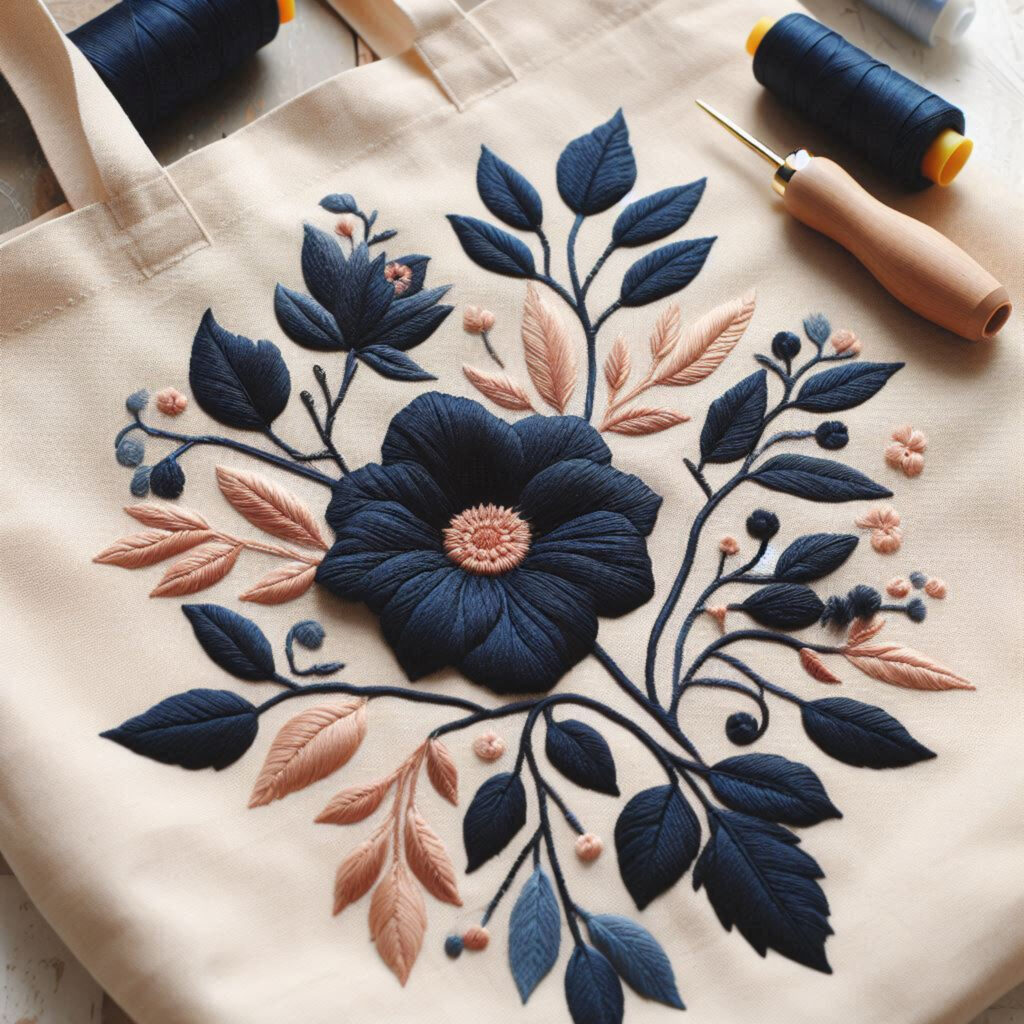
- Tote bags
- Cushion edges
Examples include:
- A single small heart
- One-line flower stems
- Mini rainbows
- Tiny initials
- Simple leaf branches
These micro-designs reduce complexity while still adding handmade charm.
Free Simple Embroidery Designs: What to Look For
There are many platforms offering free simple embroidery designs, but not all are equally helpful. When choosing free patterns, check for:
- Clear stitch instructions
- Thread color suggestions
- Printable outlines
- Skill-level labeling
- Fabric recommendations
Some design blogs focus heavily on visual previews but provide minimal instructional support. For long-term skill growth, it’s better to choose patterns that teach technique rather than only offer downloadable files.
Free designs work best when used for:
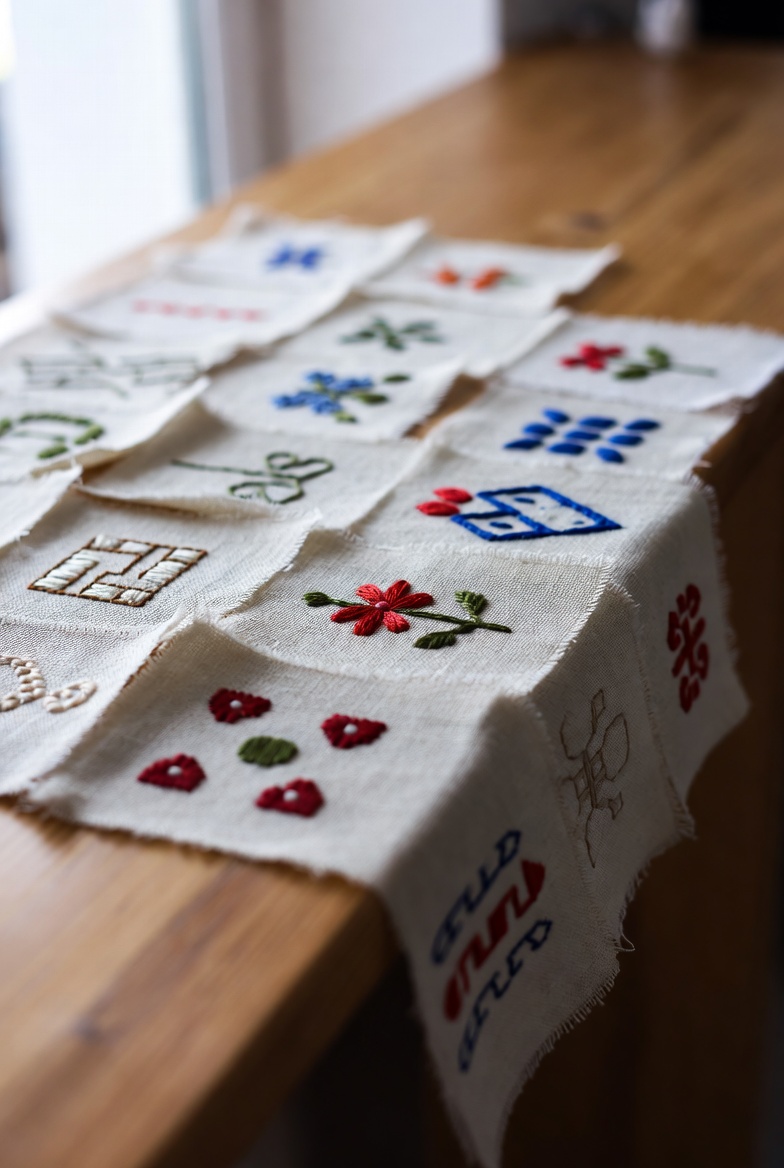
- Practice samplers
- Scrap fabric testing
- Beginner workshops
- DIY gifts
How This Guide Differs from Typical Design Galleries
Many embroidery blogs focus on listing large collections of images, often categorized by theme — flowers, holidays, animals, etc. While these are visually inspiring, they may not always:
- Explain stitch difficulty
- Suggest fabric types
- Provide thread estimates
- Offer beginner progression paths
This blog focuses more on structured guidance. Instead of only showing design options, it emphasizes:
✔ Skill-building
✔ Practical application
✔ Time-saving techniques
✔ Minimal supply usage
This approach helps beginners move from simple to confident stitching rather than just browsing ideas.
Choosing the Right Fabric and Thread
For simple embroidery projects, stick to:
Fabric:
- Cotton
- Linen
- Muslin
Thread:
- Standard 6-strand embroidery floss
- Use 2–3 strands for lighter designs
Neutral fabrics paired with pastel or earthy threads work beautifully for minimal patterns.
FAQs
1. What are the best simple embroidery designs for beginners?
Floral outlines, small quotes, leaf branches, and geometric shapes are ideal because they use basic stitches and minimal thread colors.
2. Where can I find free simple embroidery designs?
Many craft blogs and creative platforms offer free downloadable patterns. Look for ones that include clear instructions and stitch guides.
3. How long does it take to complete a simple embroidery design?
Very simple designs can take 30 minutes to 2 hours, depending on size and stitch type.
4. What stitches should beginners learn first?
Build a strong foundation by practicing essential stitches like the running stitch, back stitch, satin stitch, and French knots.These cover most beginner-level patterns.
5. What fabric is best for simple embroidery projects?
Cotton and linen are the easiest fabrics to work with because they hold stitches well and are beginner-friendly.
Final Thoughts
Simple embroidery designs are more than just easy patterns — they are the foundation of skill development. While many websites showcase extensive collections of downloadable artwork, a focused, step-by-step approach helps beginners grow faster and avoid frustration.
Whether you’re exploring free simple embroidery designs, trying very simple embroidery designs for quick crafts, or searching for simple embroidery designs for beginners, the key is to start small, practice consistently, and build confidence with every stitch.