
In the fast-paced world of New York City fashion, the intersection of technology and craftsmanship is creating a new frontier: 3D printing and digital textile innovation. RiseDigitizing is at the heart of this revolution, transforming how brands and independent designers approach intricate patterns and three-dimensional textures.
3D Printing in NYC: The New Era of Fashion Innovatio
New York City has always been the global epicenter for style, but in 2026, the focus has shifted from the runway to the laboratory. 3D printing, or additive manufacturing, is no longer just for plastic prototypes; it is now a fundamental tool for creating wearable art, flexible textile structures, and high-relief embroidery.
Why 3D Printing is Taking Over NYC Textiles
Traditional garment manufacturing often results in significant material waste—sometimes up to 25% of fabric is discarded during the “cut-and-sew” process (Style3D, 2025). 3D printing solves this by building material layer-by-layer, using only what is necessary (Meer, 2025). This sustainable approach resonates with NYC’s increasingly eco-conscious fashion community.
The RiseDigitizing Edge: Merging 3D Puff with Modern Tech
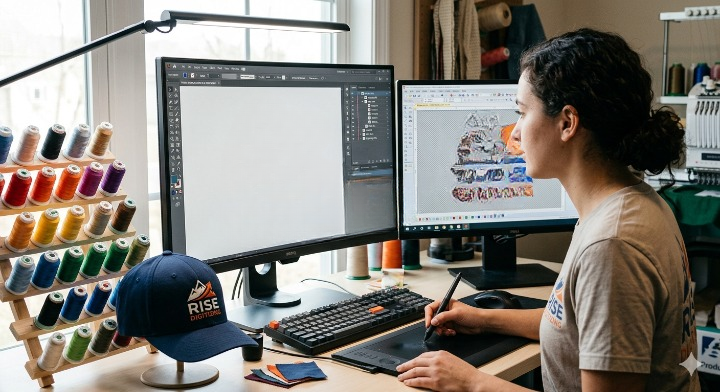
While many 3D printing firms focus on hard plastics, RiseDigitizing specializes in the “soft” side of innovation. By mastering 3D Puff Digitizing and complex vector conversions, they bridge the gap between traditional tactile embroidery and modern digital precision (RiseDigitizing, n.d.-a). This allows designers to achieve “phygital” results—garments that look as stunning in high-definition digital renders as they do on a physical rack.
Innovative Textile Design at RiseDigitizing
At RiseDigitizing, innovation isn’t just a buzzword; it’s a workflow. Their services cater to a diverse clientele, from streetwear brands in Brooklyn to high-fashion houses in Manhattan.
Key Services Driving Innovation:
- 3D Puff Embroidery Digitizing: Creating elevated, textured logos that jump off the fabric, providing a premium feel for headwear and outerwear (RiseDigitizing, n.d.-b).
- Vector Art Conversion: Transforming flat sketches into scalable, high-precision digital files ready for advanced printing and laser cutting.
- Custom Appliqué Solutions: Merging different fabric layers with digital precision to reduce stitch counts while maximizing visual impact.
The Future of “Smart” NYC Textiles
Looking ahead to late 2026, the industry is moving toward “Ultra Smart” fabrics. We are seeing the rise of self-healing textiles and materials infused with graphene for active thermoregulation (Heuritech, 2026). RiseDigitizing’s role in this ecosystem is providing the digital “blueprint” that ensures these complex, high-tech designs can be executed without error.
Top 10 FAQs: 3D Printing and Textile Design
1. How does 3D printing in fashion reduce environmental waste? Unlike traditional methods where garments are cut from large sheets of fabric, 3D printing is an additive process. It builds the garment or textile component from the ground up, using only the exact amount of material required. This can reduce CO₂ emissions by nearly 25% and save up to 50% of stock material compared to conventional manufacturing (Meer, 2025).
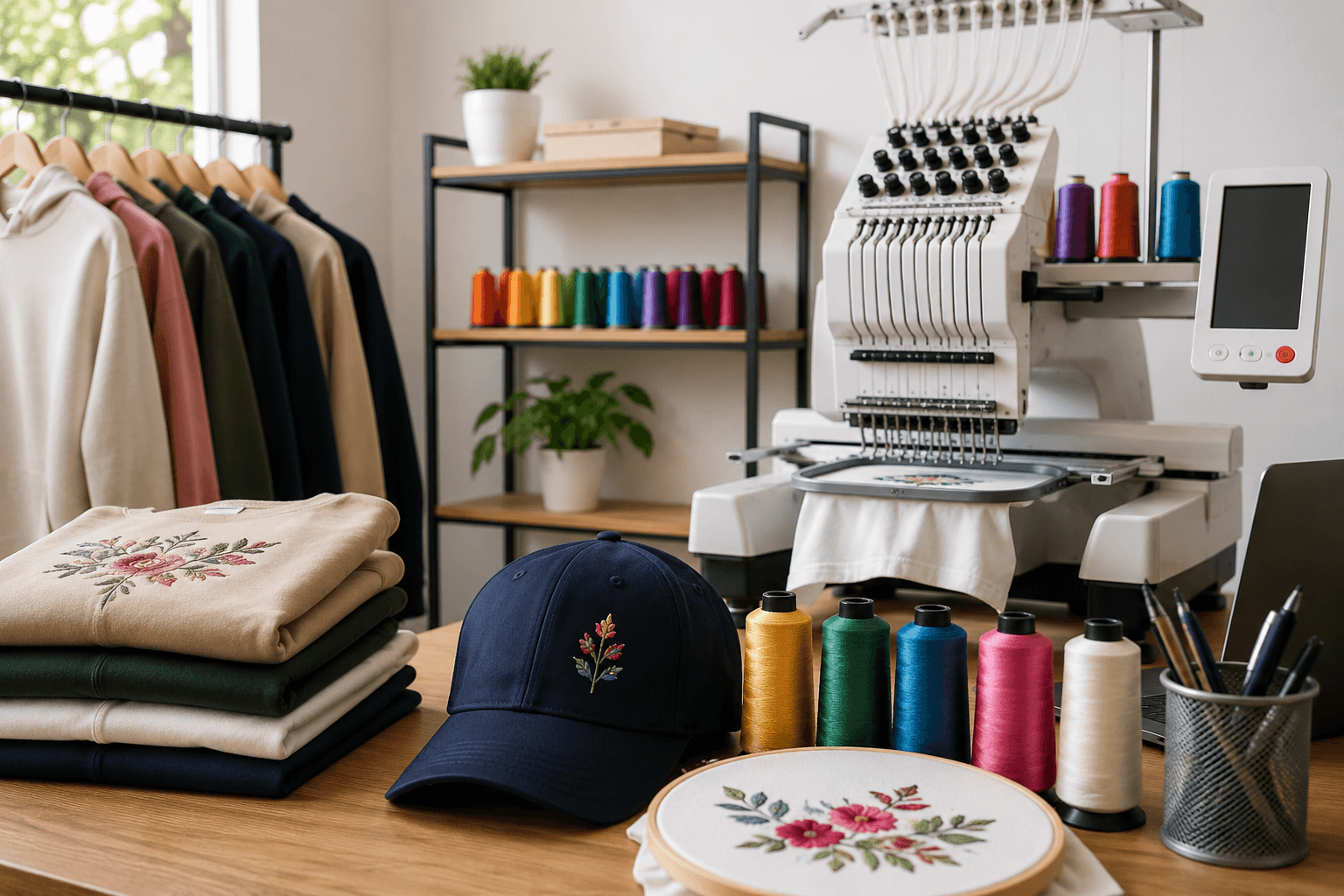
2. What is 3D Puff Digitizing, and how does it differ from standard embroidery? 3D Puff Digitizing involves a specialized process where foam is placed under the embroidery stitching to create a raised, three-dimensional effect. While standard embroidery lies flat, 3D Puff adds depth and texture, making it the preferred choice for premium caps, hoodies, and “statement” branding (RiseDigitizing, n.d.-b).
3. Can 3D printed textiles actually be washed and worn comfortably? Yes, though it depends on the material. Modern innovations in elastomeric resins and bio-based filaments (like algae polymers) have made 3D-printed components more flexible and breathable than ever before. Many designers now use 3D printing for specific structural elements—like lace-like overlays or flexible midsoles—integrated into traditional fabrics for comfort (Heuritech, 2026).
4. What role does “Vector Art” play in 3D textile design? Vector art is the foundation of digital precision. Unlike raster images (which pixelate when enlarged), vector files use mathematical paths. This allows RiseDigitizing to scale a design to any size—from a small sleeve logo to a massive 3D-printed textile installation—without losing a single detail in the production phase.
5. How fast is the turnaround for custom digitizing in NYC? In a city that never sleeps, speed is essential. Companies like RiseDigitizing offer rapid turnaround times, often delivering digitized files within hours. This “on-demand” model supports short-run manufacturing and allows designers to prototype and iterate quickly without the long lead times of traditional overseas factories.
6. What are “Smart Textiles,” and will they be common by 2026? Smart textiles are fabrics integrated with technology to provide functionality beyond aesthetics. This includes energy-harvesting fibers that power small sensors and “self-healing” polymers that can repair small tears automatically. By 2026, the smart textile market is projected to reach over $9.6 billion as these technologies move from labs to retail (Heuritech, 2026).
7. Is 3D printing affordable for small NYC-based fashion startups? Initially, 3D printing was a luxury, but the democratization of software and local service bureaus has made it highly accessible. By using virtual prototyping (3D modeling), brands can cut physical sampling costs by up to 70%, allowing small startups to compete with major labels by reducing their upfront R&D spend (Style3D, 2025).
8. What file formats are required for 3D textile or embroidery projects? For embroidery and 3D puff, common machine-readable formats include .DST, .PES, and .EXP. For 3D printing and advanced textile design, .OBJ or .STL files are standard. RiseDigitizing specializes in converting basic sketches or JPGs into these specialized professional formats.
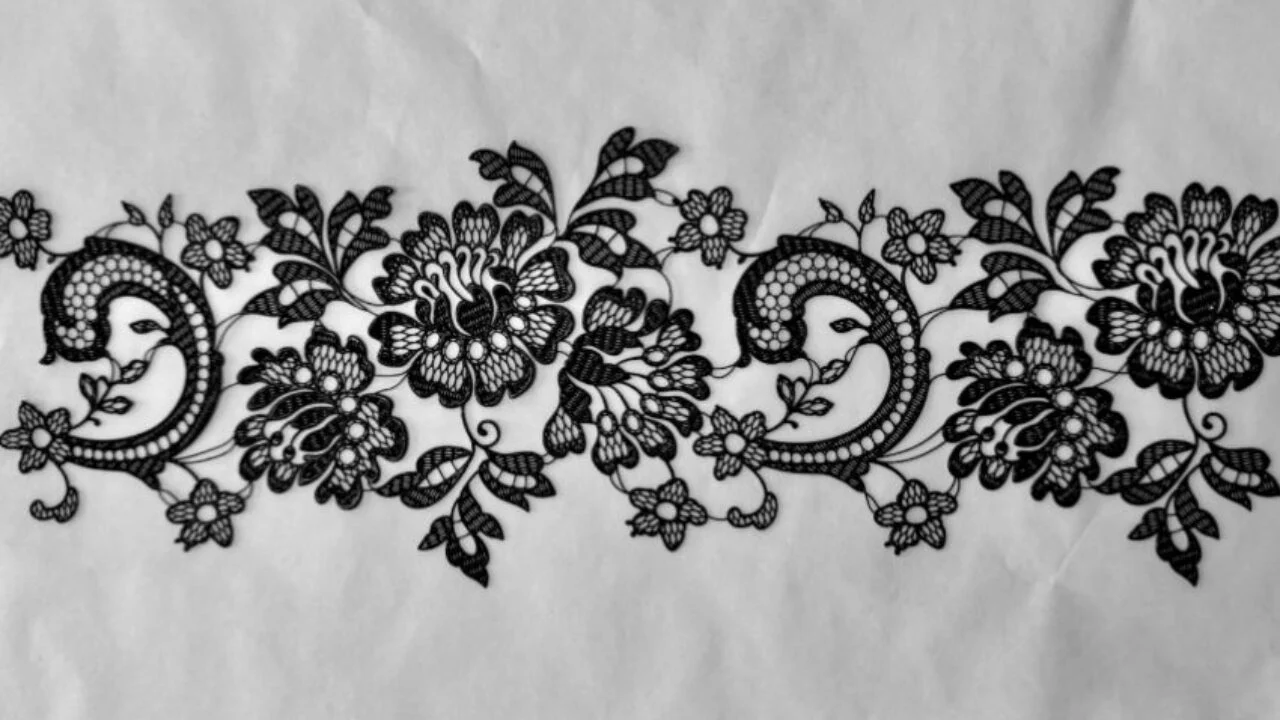
9. Can 3D printing recreate the look of traditional lace or knitwear? Yes. In fact, 3D CAD tools now use AI-driven pattern making to simulate hyper-realistic fabric physics. This allows for the creation of complex geometries—like interlocking lattice structures or organic “lace” shapes—that are nearly impossible to achieve through manual assembly (Meer, 2025).
10. Why should I choose a NYC-based service like RiseDigitizing over an offshore provider? Local expertise offers two major advantages: quality control and cultural alignment. RiseDigitizing understands the specific aesthetic demands of the NYC market and provides 24/7 support with unlimited revisions, ensuring that the final “digitized twin” perfectly matches the designer’s vision before it ever hits the printer or embroidery machine.
Related Posts