

The art of embroidery is an age-old technique that is loved by craftsmen as well as designers and business alike. If you’re applying a monogram or a basic design to the shirt, or designing an intricate professional logo on clothing, the question that constantly pops up is how long does embroidery take?
There isn’t a simple answer. The time required to embroider is contingent on a variety of variables, like the difficulty of your work, kind of stitch, the material choice, technique (hand or machine), or even the level of experience you have. This guide will discuss everything you need to learn about the length of an embroidery project, tips for speeding up your embroidery, and the most effective methods to ensure your embroidery is smooth and precise.
Factors That Affect How Long Embroidery Takes
In order to estimate the amount of time embroidery will take, it is important to be aware of a myriad of variables. Each one plays a part in determining if the task will take the form of days or hours.
1. Design Complexity
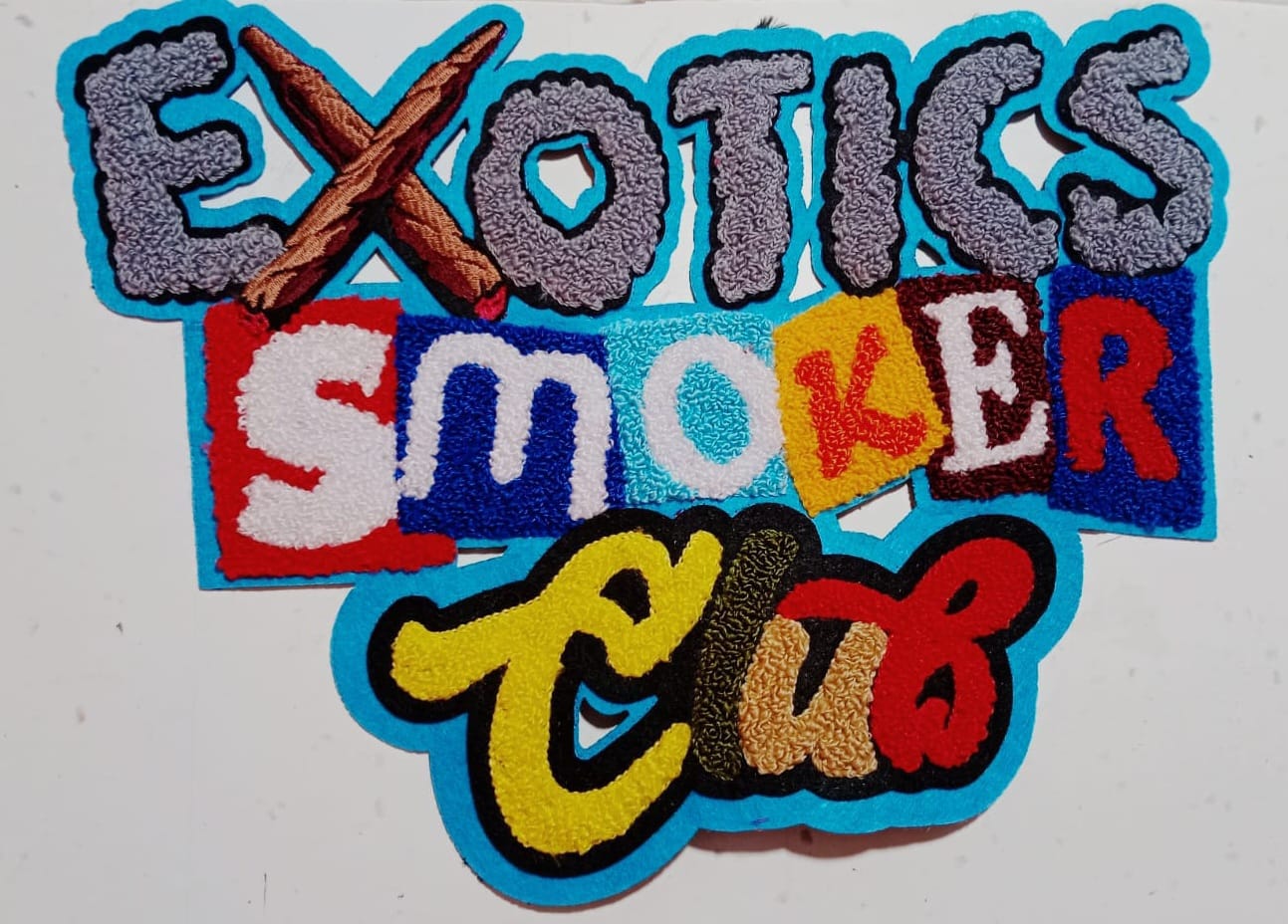
The difficulty of your pattern has an enormous effect on the duration. Simple designs with a few lines or color can be finished quickly, usually in under one hour. Contrast that with intricate patterns that incorporate shading, several shades, or overlapping stitching can take a long time, or sometimes even several days.
Examples:
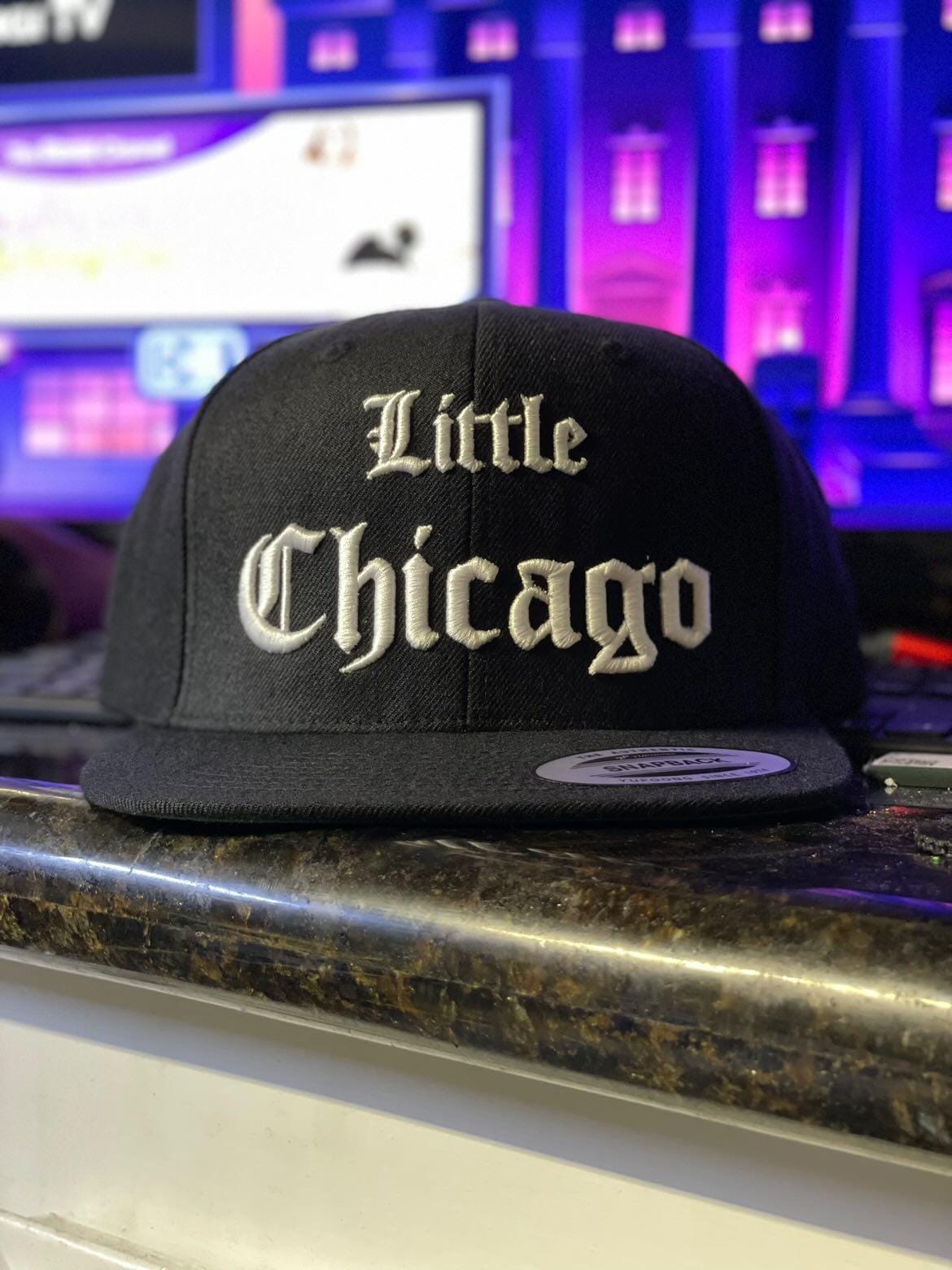
- One word monogram could require 30 to 60 minutes.
- The floral design with 5+ colors and a variety of layers may require 6–12 hours.
- Complex, large logos or custom artwork might require 10–15 hours based on the size.
2. Size of the Project
Dimensions are important when it comes to making estimates of the length of time that embroidery will take. Naturally, larger designs need more stitches that can increase the duration of projects. Small patches (2–3 inches) could require only several thousand stitches, and a fully jacketed back design could require more than 50,000 stitches.
3. Type of Stitches
Different types of stitches have different impacts on embroidery time:
- Run stitches: Simple and fast, great for creating outlines.
- Satin stitches: Smooth and shiny, but slower because every area needs dense stitching.
- Fill stitch: Covers large areas with thread, increasing the total stitch count.
- Cross-stitch: Requires precision and alignment, generally slower.
The stitch you choose determines the duration of your embroidery project.
4. Technique of Embroidery: Hand vs Machine
The technique you select modifies how long the embroidery process takes:
Hand embroidery:
Traditional, beautiful, handmade, and artistic—but extremely slow. Simple designs can take just some time, whereas larger, more complex designs could require days or even weeks. Hand embroidery allows for precise art, but requires patience.
Machine embroidery:
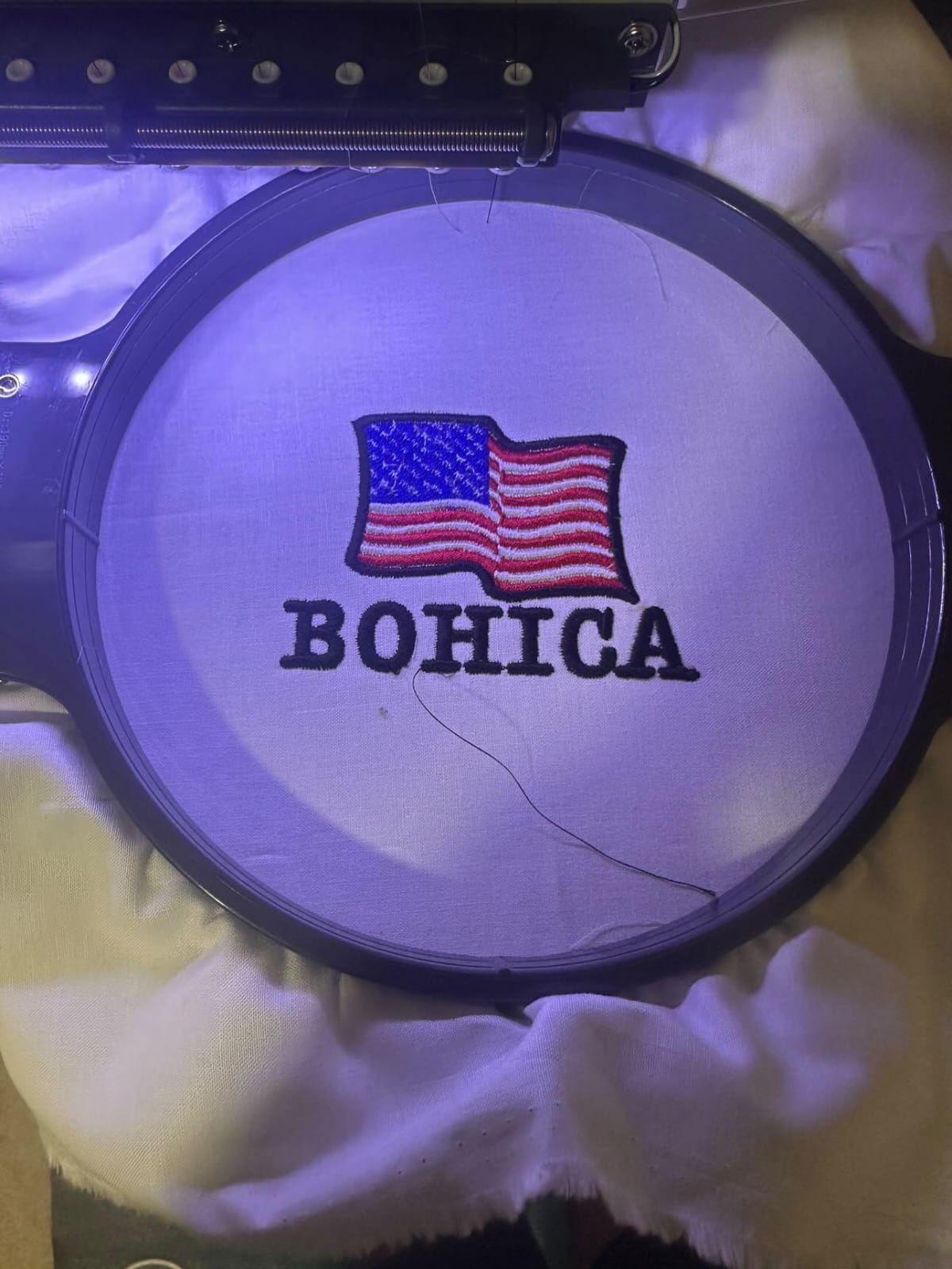
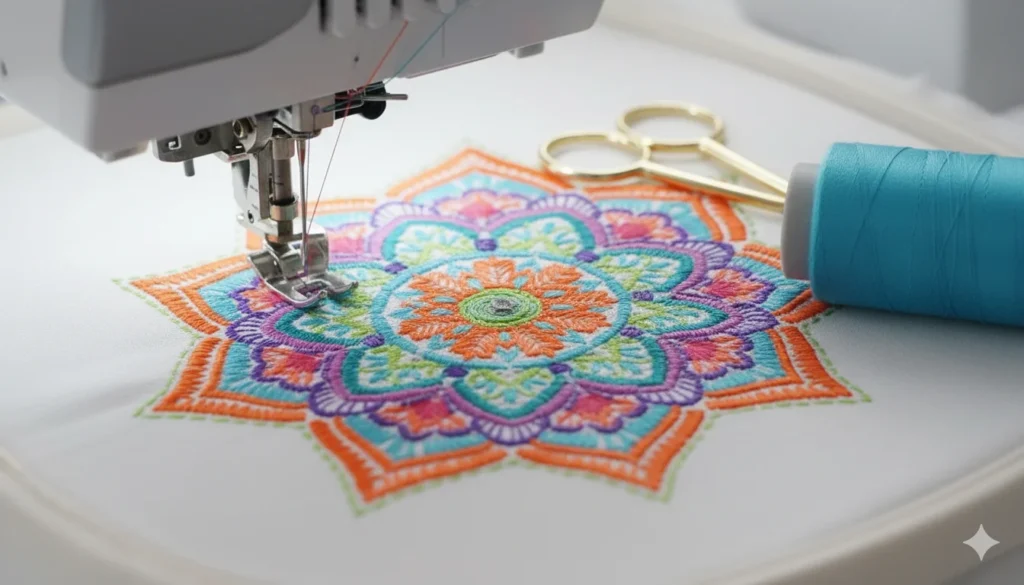
Fast, precise, and reliable. Modern machines can process thousands of stitches every minute, dramatically cutting down the duration of a design. Intricate designs that require several days by hand can require a couple of hours with the machine.
5. Fabric Type
The fabric you pick influences the length of time embroidery will take. Fabrics with a lot of thickness, such as denim, canvas, or wool, could require a slower stitching speed in order to stop needle breaks or puckering. Fabrics that are lighter, like linen and cotton, allow more stitching speed, however they may require stabilization to avoid stretching.
6. Stitch Count
Designs with a high stitch count take longer. Smaller designs can take hours when they contain tens of thousands of stitches. Knowing the impact of stitch count is vital to determining the time needed to complete your project precisely.
7. Experience Level
Experience is important. Beginners may take longer due to slower stitching, mistakes, or re-doing areas. Professionals, on the other hand, work quicker and more efficiently, especially with equipment.
Average Embroidery Project Duration by Type
Here is a rough estimate of the length of time required for embroidery according to the project type:
| Project Type | Estimated Time (Hand) | Estimated Time (Machine) |
|---|---|---|
| Small patches (2–3 inches) | 1–3 hours | 15–30 minutes |
| Medium design on T-shirt | 3–6 hours | 30–60 minutes |
| Large jacket/backpiece | 15–30 hours | 2–5 hours |
| Complex logo | 10–20 hours | 3–4 hours |
These estimates may differ based on the type of thread, fabric, and stitch type. Making use of efficient machine embroidery tips could cut down time significantly.
Tips to Reduce How Long Embroidery Takes
No matter if you’re an amateur or professional, there’s a way to make your embroidery faster without losing quality:
- Select Machine Embroidery for intricate or complex designs.
- Pre-digitized Patterns help reduce setup time.
- Proper material preparation keeps threads, needles, and stabilizers ready.
- Reduce design complexity where possible—fewer colors or stitches save hours.
- Create stitch pathways for hand embroidery to reduce unnecessary movement.
- Training and skill improvement helps complete projects faster.
These methods will boost machine embroidery efficiency and help calculate project length precisely.
FAQs
1. Do I have the ability to finish a simple embroidery task in a single day?
Yes! Small projects, such as small logos or patches, typically can be finished in a couple of hours, particularly when using machines. Hand embroidery may take longer, but even novices can complete a simple design in a few hours with focused work.
2. Does the type of thread affect embroidery time?
Yes. Thick threads cover areas faster but may require a slower stitching speed to avoid fabric damage. Specialty threads like variegated or metallic need careful stitching and can prolong project time.
3. How can I estimate the duration of my embroidery project precisely?
Be aware of factors such as design complexity, stitch type, size, fabric, and machine speed. The stitch count within your design offers a clear estimate. Professionals often divide stitch count by machine SPM (stitches per minute) to calculate completion time.
Conclusion
So, how long does embroidery take? It depends on a variety of variables: complexity of the design, size, stitch type, technique (hand vs machine), fabric, and experience. Simple designs may be completed in less than an hour, while more intricate projects could take days. With proper planning, material preparation, and machine embroidery when possible, you can improve efficiency and finish projects quickly.
The knowledge gained from these points allows professionals and beginners to handle time effectively and create amazing embroidery without stress.
At Rise Digitizing we are experts in making your concepts into stunning embroidery designs, guaranteeing accuracy and speed in every project.