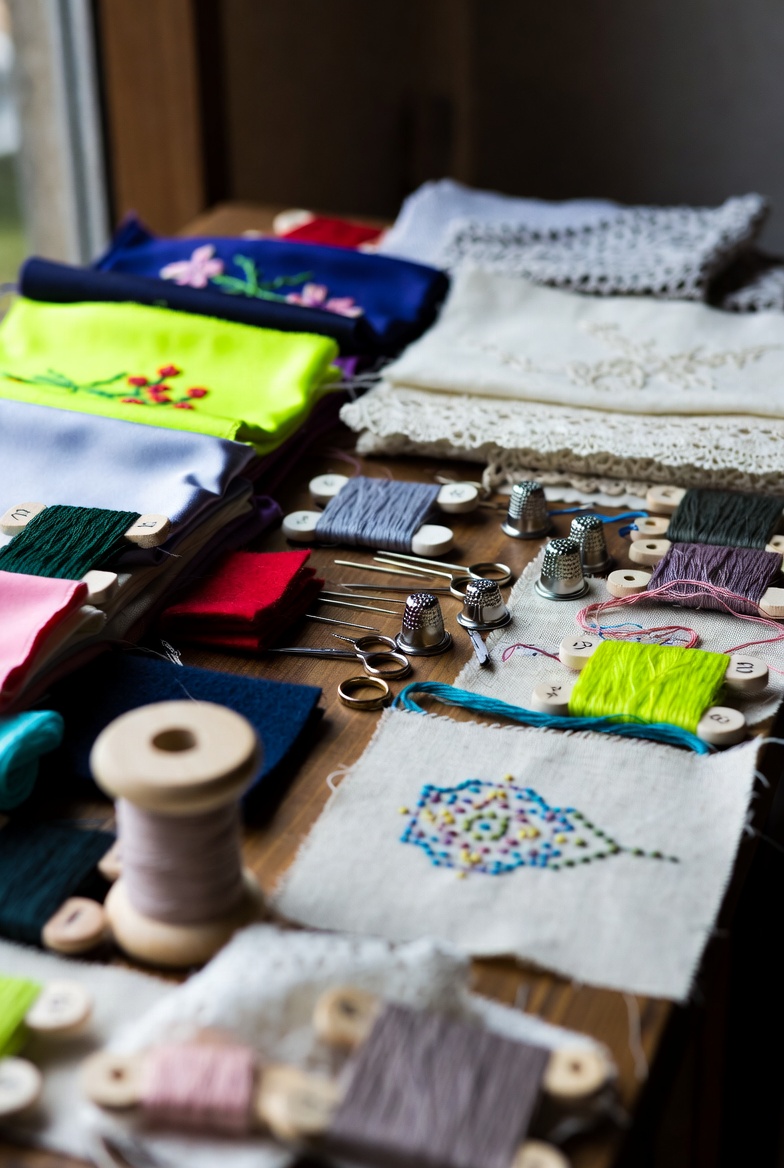
Embroidery techniques have evolved beautifully over time, blending traditional craftsmanship with modern creativity. Whether you’re just starting out or exploring new embroidery techniques, understanding different styles and methods can transform your stitching skills.
Many embroidery blogs focus heavily on inspiration and artistic storytelling. In comparison, this guide takes a more structured, technique-focused approach—covering foundational stitches, 3D methods, and practical applications—so readers can actually apply what they learn step by step.
Embroidery techniques refer to the different methods used to decorate fabric using thread, yarn, or other materials. These techniques range from simple embroidery for beginners to advanced dimensional and textured stitching styles.
Broadly, embroidery can be divided into:
Each technique offers a unique finish, texture, and creative possibility.
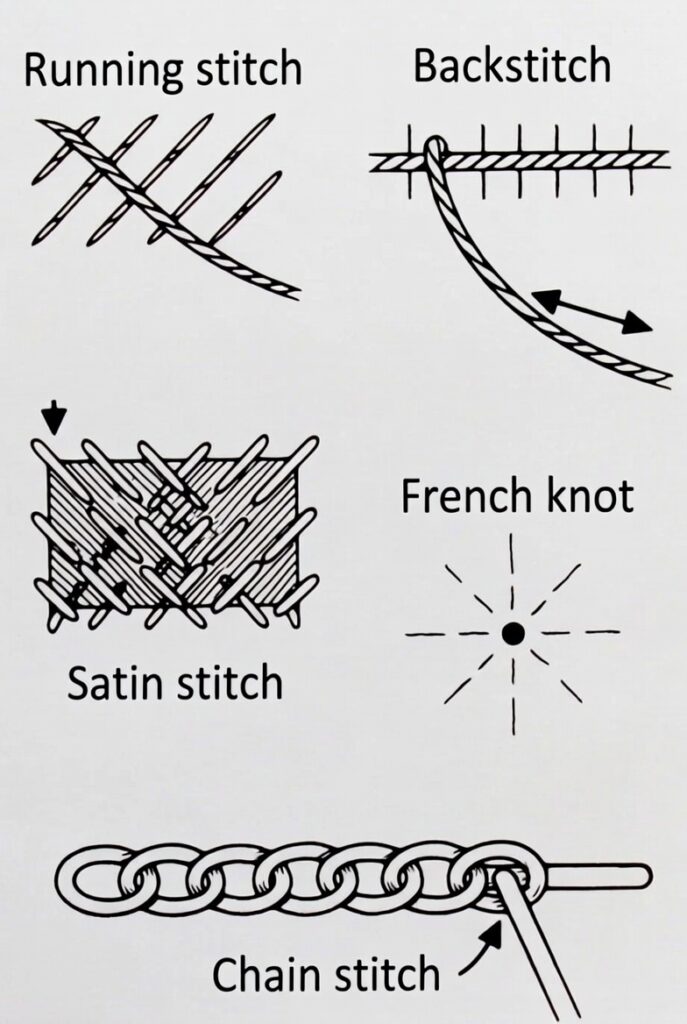
If you’re new to stitching, starting with simple embroidery techniques helps build confidence and control.
One of the easiest stitches, perfect for outlines and basic patterns.
Stronger and cleaner than the running stitch, ideal for lettering and detailed designs.
Used for filling shapes smoothly and creating bold color blocks.
Creates a textured, rope-like line—great for borders and decorative patterns.
These foundational stitches form the base for more advanced embroidery techniques later on.
For those exploring embroidery techniques for beginners, focus on mastering:
Beginners should start with cotton fabric and embroidery floss, as they are easy to manage. Practicing on small floral or geometric designs can help develop consistency before attempting complex patterns.
Unlike blogs that emphasize aesthetic presentation first, beginners benefit more from structured skill development and stitch repetition.
The embroidery world is constantly evolving. Some new embroidery techniques gaining popularity include:
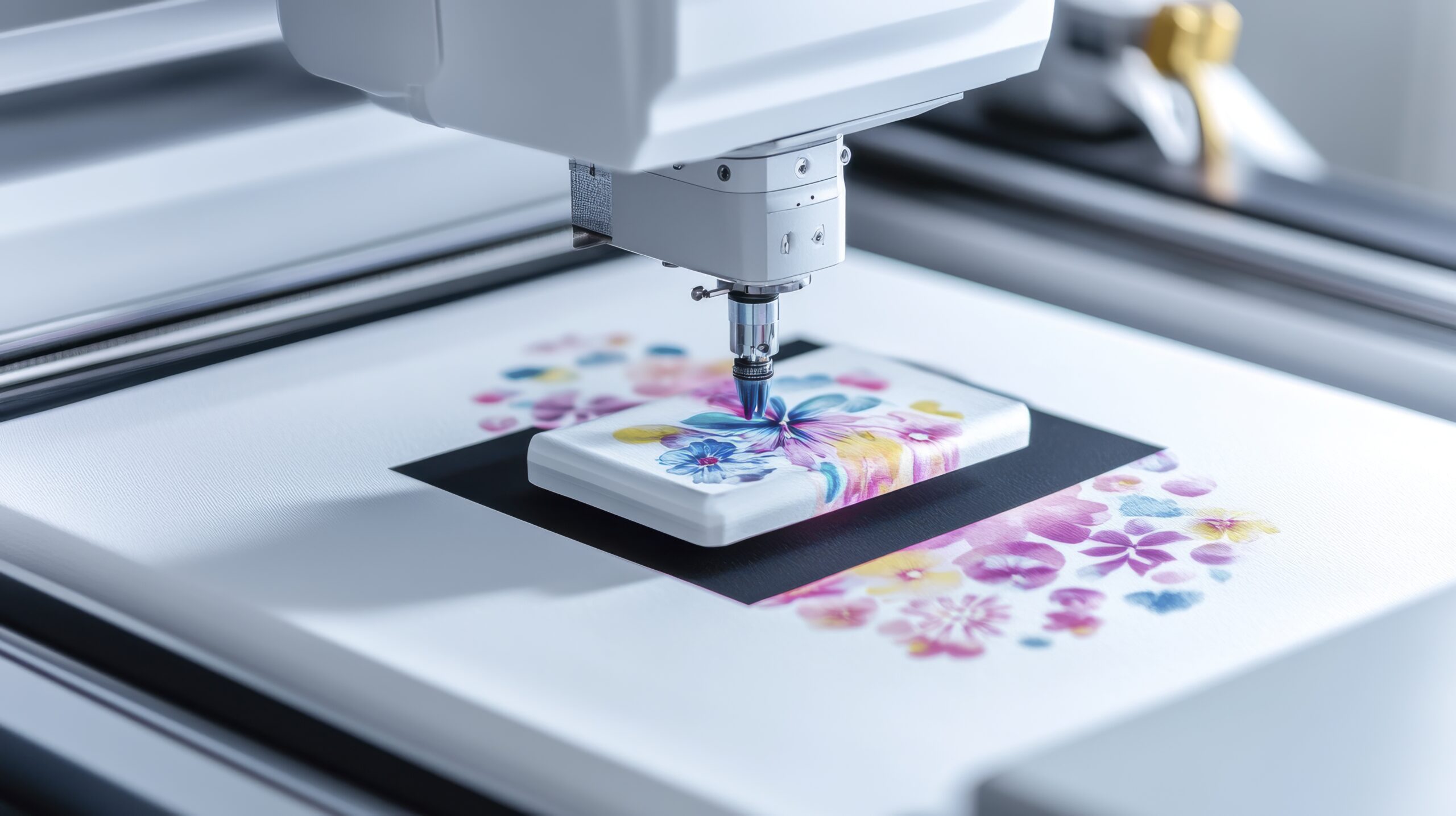
Uses a hollow needle tool to create looped textures and modern designs.
Blends multiple thread shades to create realistic imagery, similar to painting with a needle.
Clean, single-line designs inspired by modern art trends.
Combines beads, sequins, and fabric layers for artistic texture.
These techniques are widely used in contemporary fashion, home décor, and custom branding projects.
3D embroidery add dimension and depth, making designs stand out visually and physically.
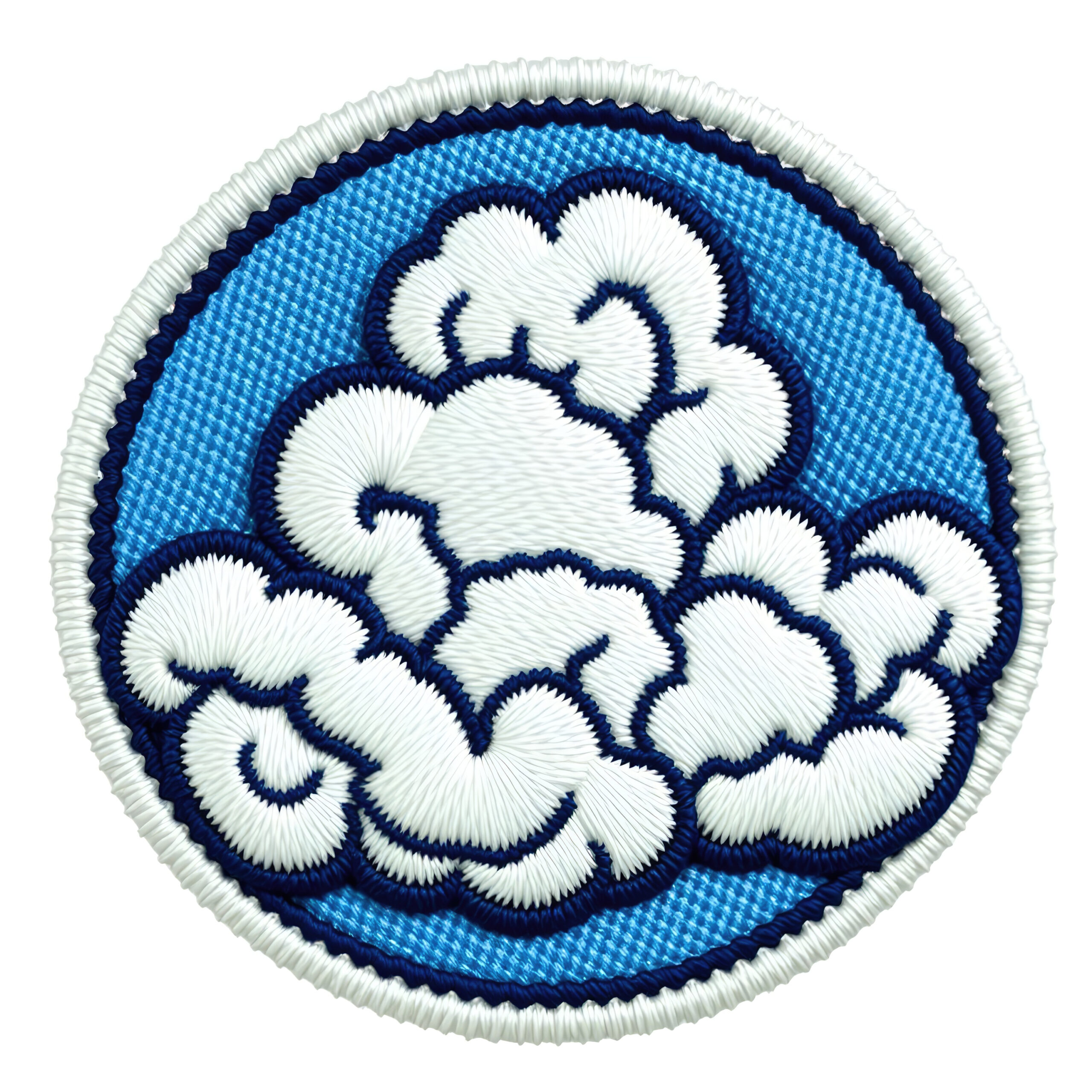
Common in logo designs and caps, where foam is placed under stitches to create raised lettering.
A traditional hand embroidery technique where stitched elements are wired and padded to lift off the fabric.
Fabric pieces are layered and stitched to create structured, raised patterns.
Uses silk ribbons instead of thread to create textured flowers and decorative effects.
Compared to flat embroidery styles, 3D embroidery techniques require greater control and planning, but they produce a more striking visual result.
Recognizing these differences allows you to pick the best approach for your project.
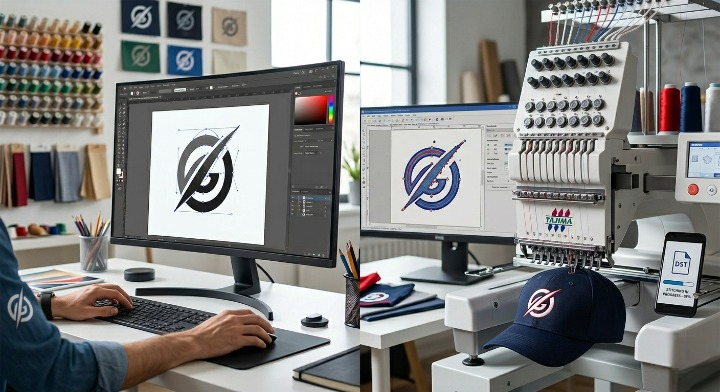
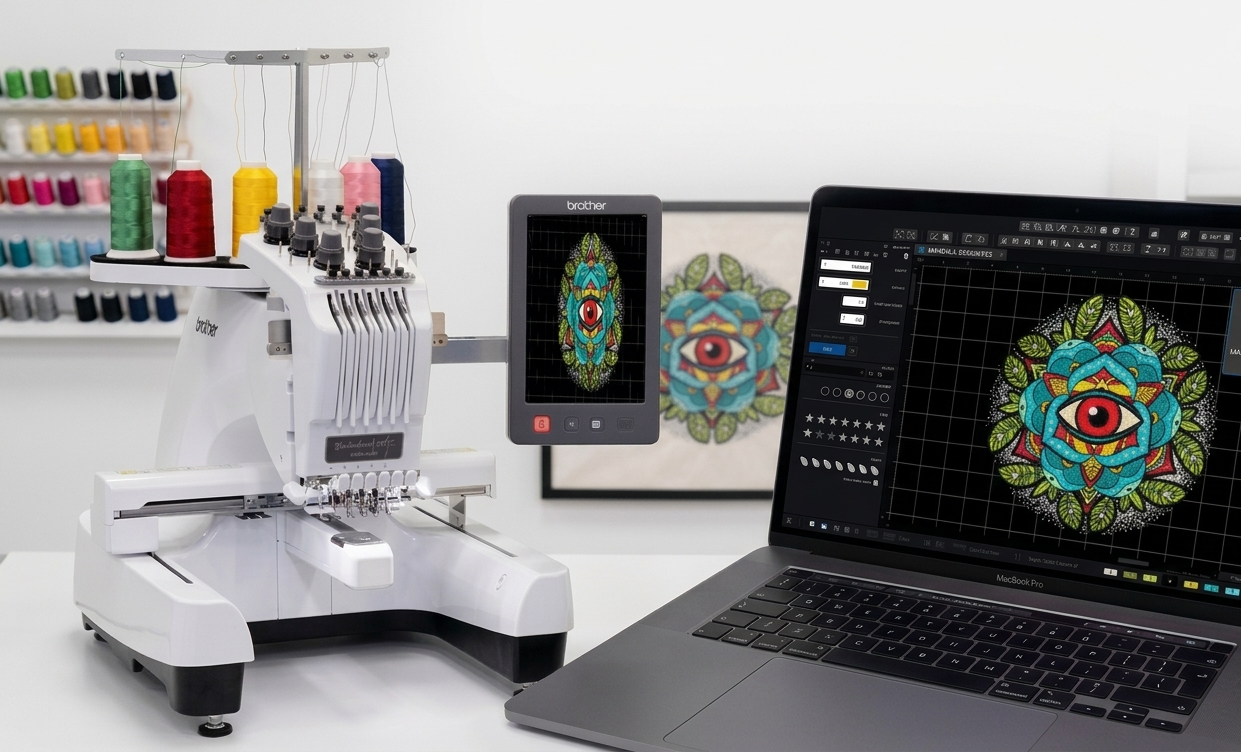
While many craft-focused blogs highlight the meditative nature of hand embroidery, machine embroidery techniques are essential for commercial and professional applications.
1. What are the easiest embroidery techniques for beginners?
Running stitch, back stitch, satin stitch, and chain stitch are the easiest and most recommended starting points.
2. What is the difference between 2D and 3D embroidery?
2D embroidery lies flat on fabric, while 3D embroidery techniques use padding, layering, or special materials to create raised effects.
3. Are new embroidery techniques suitable for beginners?
Some modern methods like minimalist line embroidery are beginner-friendly, but techniques like thread painting or stumpwork require practice.
4. Which embroidery technique is best for logos?
Machine embroidery and 3D puff embroidery are commonly used for professional logo applications.
5. How long does it take to learn embroidery?
Basic stitches can be learned within a few days, but mastering advanced embroidery techniques may take months of consistent practice.
Embroidery techniques range from simple beginner stitches to highly advanced 3D and mixed media designs. Whether you are exploring embroidery as a hobby or as a professional skill, mastering foundational stitches is the first step toward creativity and precision.
While many embroidery blogs focus primarily on inspiration and artistic storytelling, a structured understanding of techniques provides long-term growth and skill development. By combining simple embroidery experimenting with new embroidery , and gradually advancing into 3D embroidery techniques, you can build both confidence and craftsmanship.