Screen printing is one of the most popular and reliable printing methods for custom apparel, merchandise, and promotional items. Whether you’re a small business owner, event organizer, or clothing brand, understanding screen printing prices helps you plan your budget, compare vendors, and get the best value for your order.
In this complete guide, you’ll learn how pricing works, what affects the total cost, and how to choose the right quality and customization options for your project.
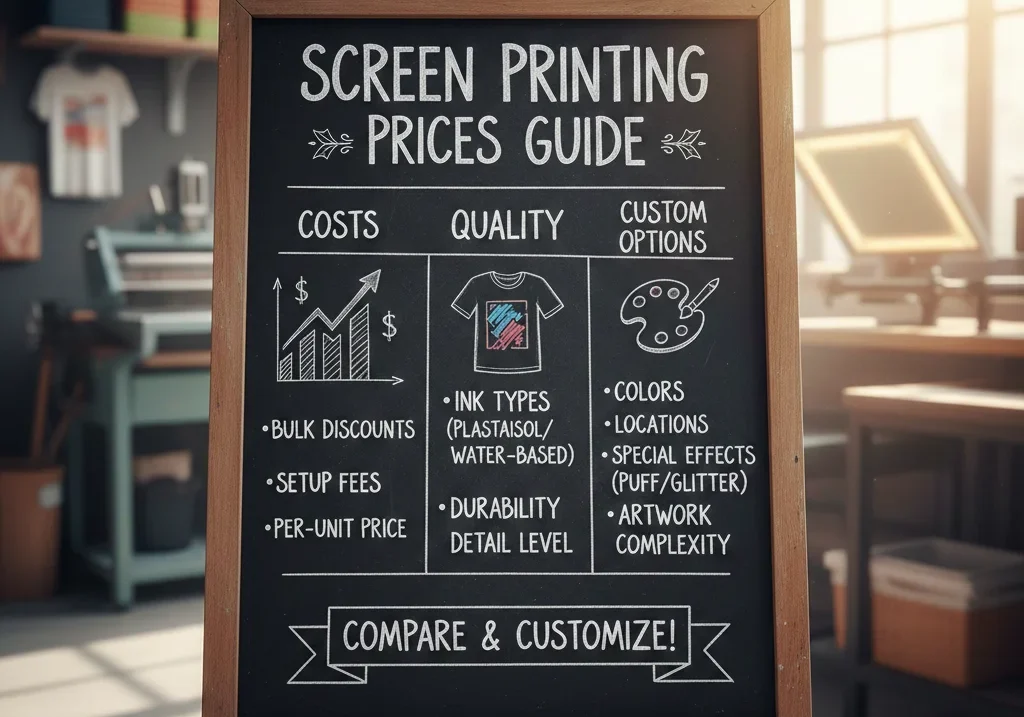
Screen printing offers vibrant colors, long-lasting prints, and excellent value for bulk orders. But the pricing can be confusing for beginners because it isn’t a simple flat rate. Instead, screen printing prices depend on several variables such as the number of colors, quantity, fabric type, and print placement.
This guide breaks down each factor to help you understand what you’re paying for—and how to reduce costs without compromising quality.
Here are the major elements that determine the overall cost of your screen printing order:
Each color requires a separate screen, which increases setup costs.
Tip: For budget-friendly printing, keep your design simple with fewer colors.
Screen printing becomes cheaper as your order size increases. This is because setup costs spread across more items.
Bulk ordering offers the best value.
The price also depends on what type of item you’re printing on:
Premium brands (Bella+Canvas, Gildan Softstyle, Next Level, etc.) cost more.
Larger print areas require more ink and more time.
Common print placements include:
A larger area or multiple placements increases the cost.
Different inks have different costs depending on effects and finish.
Common options:
If you want a unique look or feel, expect a higher price.
Additional features can also affect your screen printing price:
These upgrades add extra cost but increase the overall presentation value.
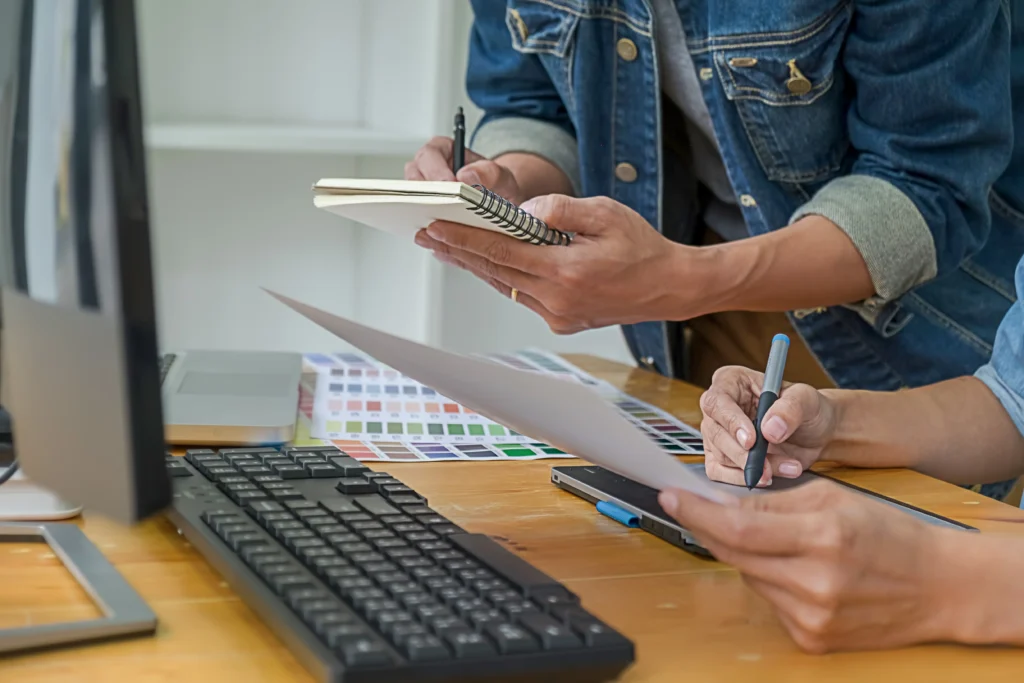
While exact pricing varies by vendor, these are typical costs in the industry:
| Quantity | 1 Color | 2 Colors | 3 Colors |
|---|---|---|---|
| 12 pcs | $12–$18 each | $14–$20 | $16–$22 |
| 50 pcs | $6–$10 each | $7–$12 | $8–$14 |
| 100+ pcs | $4–$8 each | $5–$9 | $6–$10 |
These prices may vary depending on garment type and print size.
If you’re printing for an event, brand launch, or team, ordering more pieces dramatically reduces the per-item cost because:
The more you order, the cheaper each printed item becomes. This makes screen printing an excellent option for:
If you’re working on a tight budget, here are practical ways to save:
This reduces screen fees and printing time.
Basic cotton tees are cheaper than premium fabrics.
Front or back only instead of multiple placements.
Bulk orders lower the per-piece cost significantly.
This avoids additional design charges.
| Method | Best For | Cost Advantage |
|---|---|---|
| Screen Printing | Bulk orders | Lowest cost per piece in large quantities |
| DTG (Direct-to-Garment) | Small orders, full color | No screen fees, but higher per item |
| Heat Transfer Vinyl | Personalization | Affordable for small runs and custom names |
| Sublimation | Polyester items | Great for all-over prints but limited fabric types |
Screen printing remains the most cost-effective choice for bulk apparel printing.
When comparing printers, focus on:
Request a sample or proof before finalizing your order to ensure quality matches your expectations.
Understanding screen printing prices helps you plan better and avoid unexpected costs. Factors like design complexity, garment type, ink choice, and order quantity all play a role in determining the final price.
By choosing the right options and optimizing your design, you can get high-quality prints that fit your budget. Whether you’re printing for business, branding, or personal use, screen printing remains one of the most durable, vibrant, and cost-effective printing methods available.
Because each color in your design requires a unique screen, setup fees cover the labor and materials needed to prepare these screens before printing begins.
Yes—screen printing is usually cheaper for medium to large orders. DTG is better for small orders or complex, full-color artwork.
Simplify your design, use fewer colors, choose a basic garment, and increase your order size to reduce per-unit pricing.
For high-quality embroidery digitizing services, Rise Digitizing delivers fast, accurate, and affordable solutions.
If you need custom digitizing for patches, caps, shirts, or logos, Rise Digitizing is always ready to help.